Ficus chrysocarpa
Reinw. ex Blume
wikimedia· cc-by-sa
Wikimedia Commons - Hungda
Description
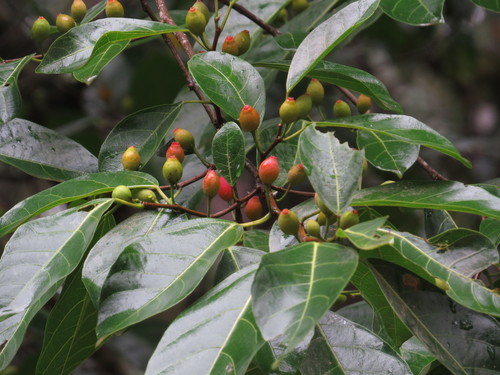
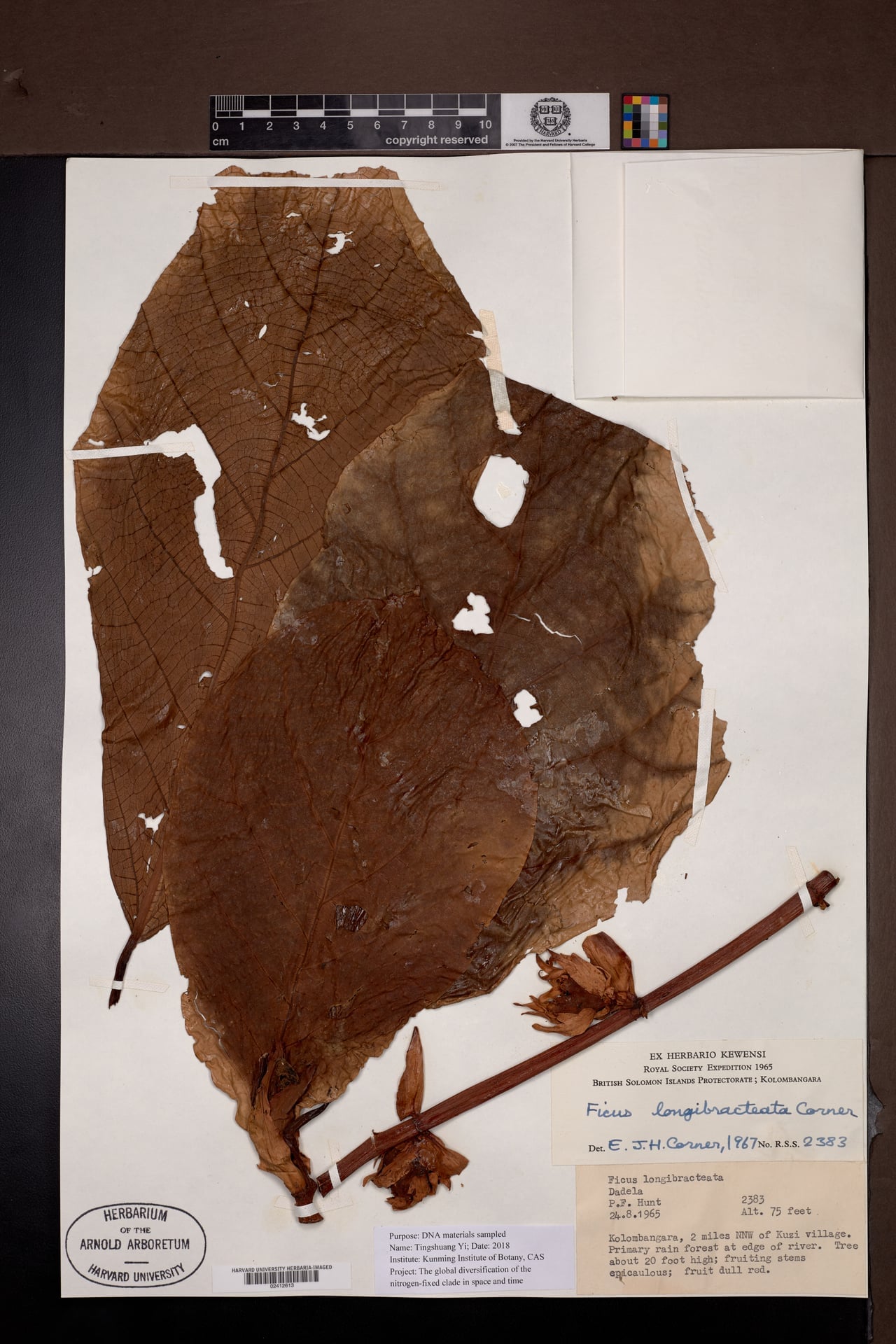
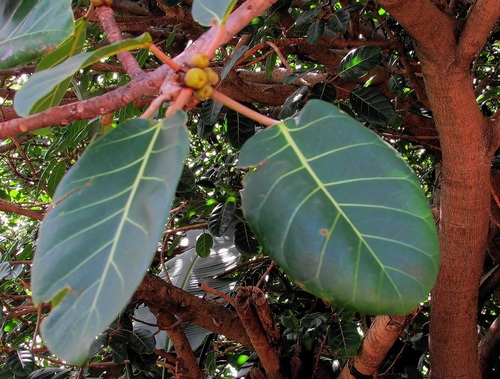
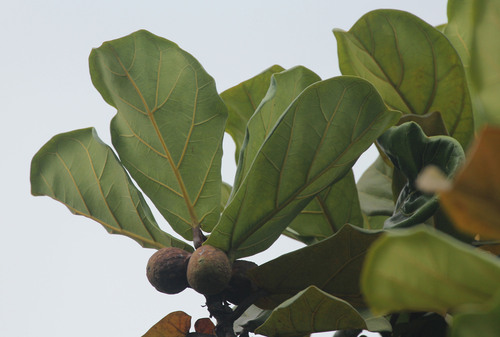
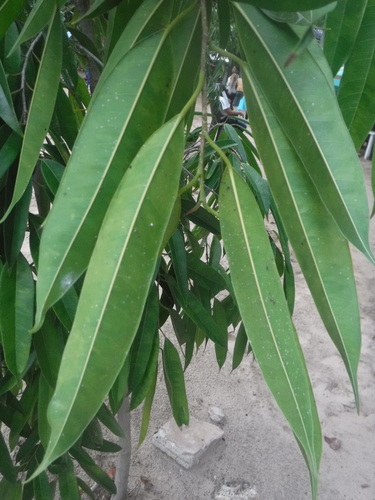
A small tree. It grows 6-10-15 m high. The trunk is straight. The bark is grey and smooth. The small branches and young leaves are densely covered with rusty brown hairs. The fruit is round and dark yellow. The leafy structures at the base of the leaves is sword shaped and 1-2 cm long and covered with a rusty red covering. The leaf stalk is 1-1.5 cm long. The leaf blade is oval and 10-15 cm long by 5-8 cm wide. They are papery. There are coarse bent hairs on the upper surface and a golden yellow layer underneath. The base is wedge shaped the edges have teeth and the tip tapers. There are 3-4 secondary veins on each side of the main vein. The figs occur in pairs in the axils of leaves and are round and 1-1.5 cm across. They have a golden yellow covering.
Edible Uses
The fruit are edible.
Distribution
A tropical plant. It is light demanding. It needs moist deep soil. It grows on the edge of forests.
Where It Grows
Asia, India, Indochina, Indonesia, Malaysia, Myanmar, Nicobar Is., SE Asia, Thailand, Vietnam,
Notes
There are about 800-1000 Ficus species. They are mostly in the tropics. There are 120 Ficus species in tropical America.
Synonyms
Also Known As
Da qua vang, Jin mao rong
References (3)
- Bijdr. 475. 1825
- Flora of China
- Forest Inventory and Planning Institute, 1996, Vietnam Forest Trees. Agriculture Publishing House p 540