Ficus ampelas
Burm.f.
Ilu, Hiluo
iNaturalist· cc-by-nc
(c) rain999777, some rights reserved (CC BY-NC)
iNaturalist· cc-by-nc
(c) rain999777, some rights reserved (CC BY-NC)
iNaturalist· cc-by-nc
(c) 簡維德, some rights reserved (CC BY-NC)
Description
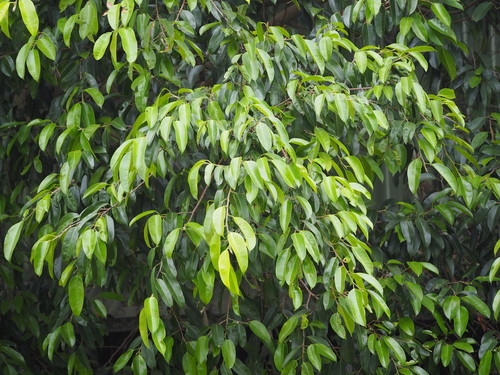
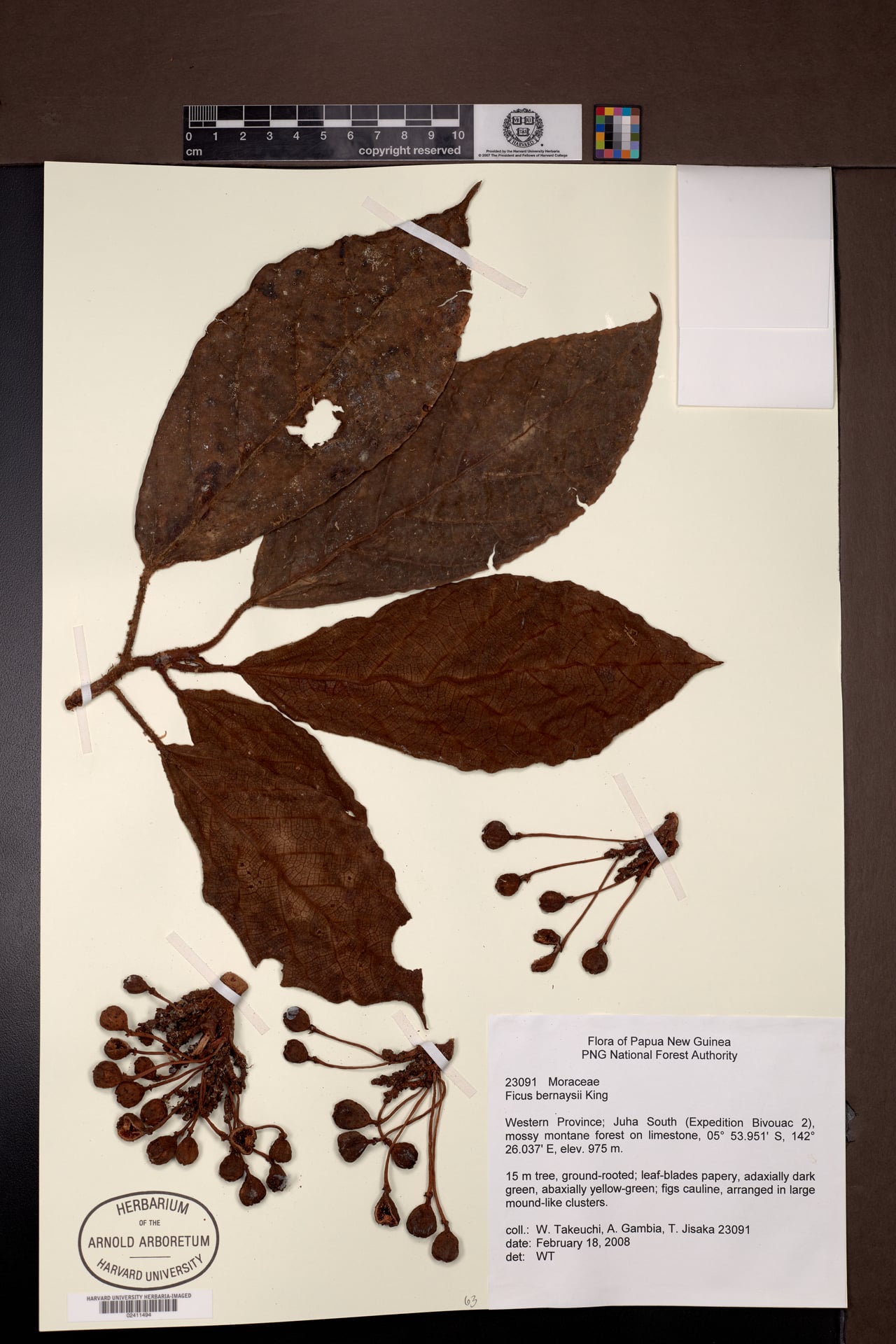
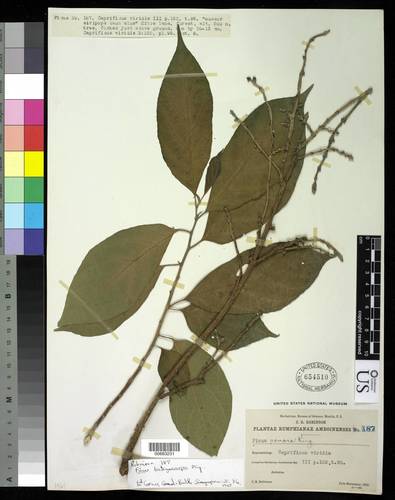
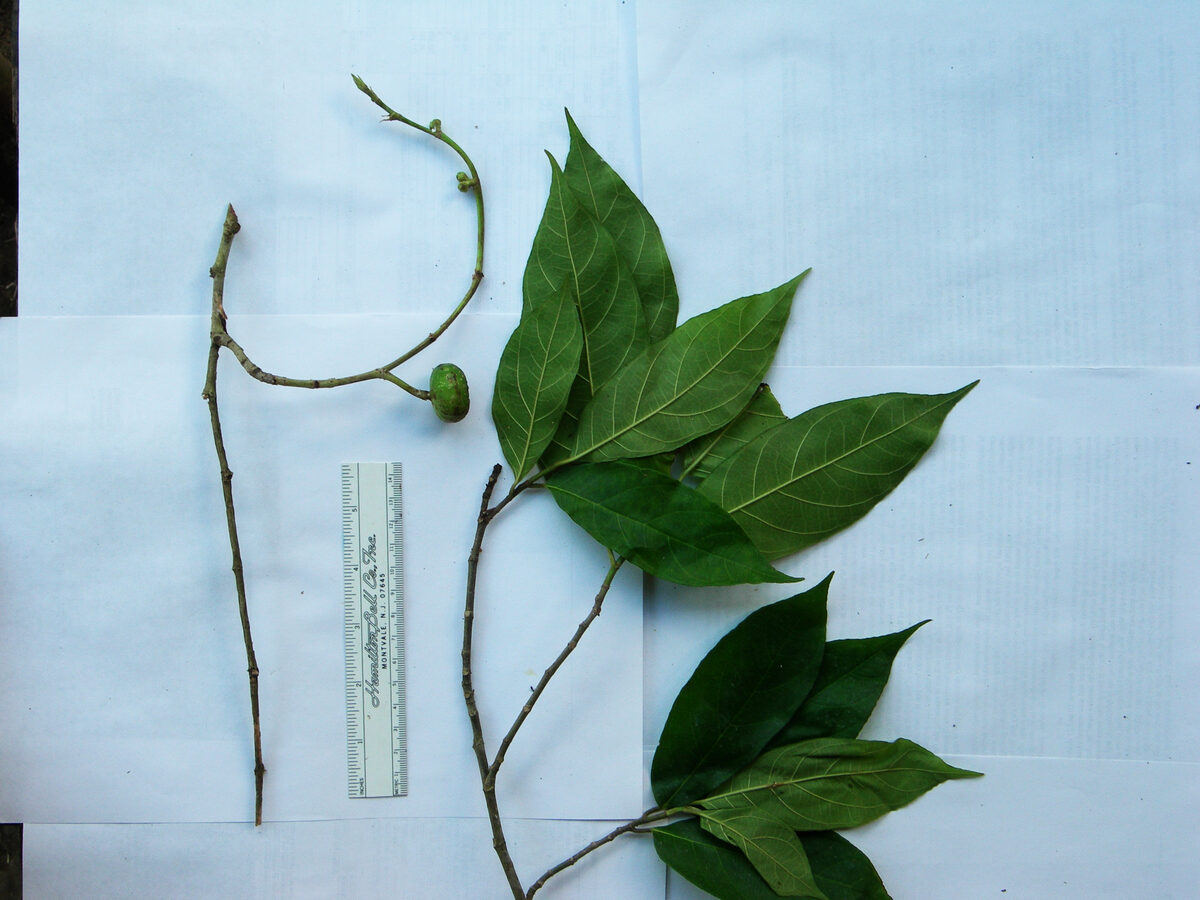
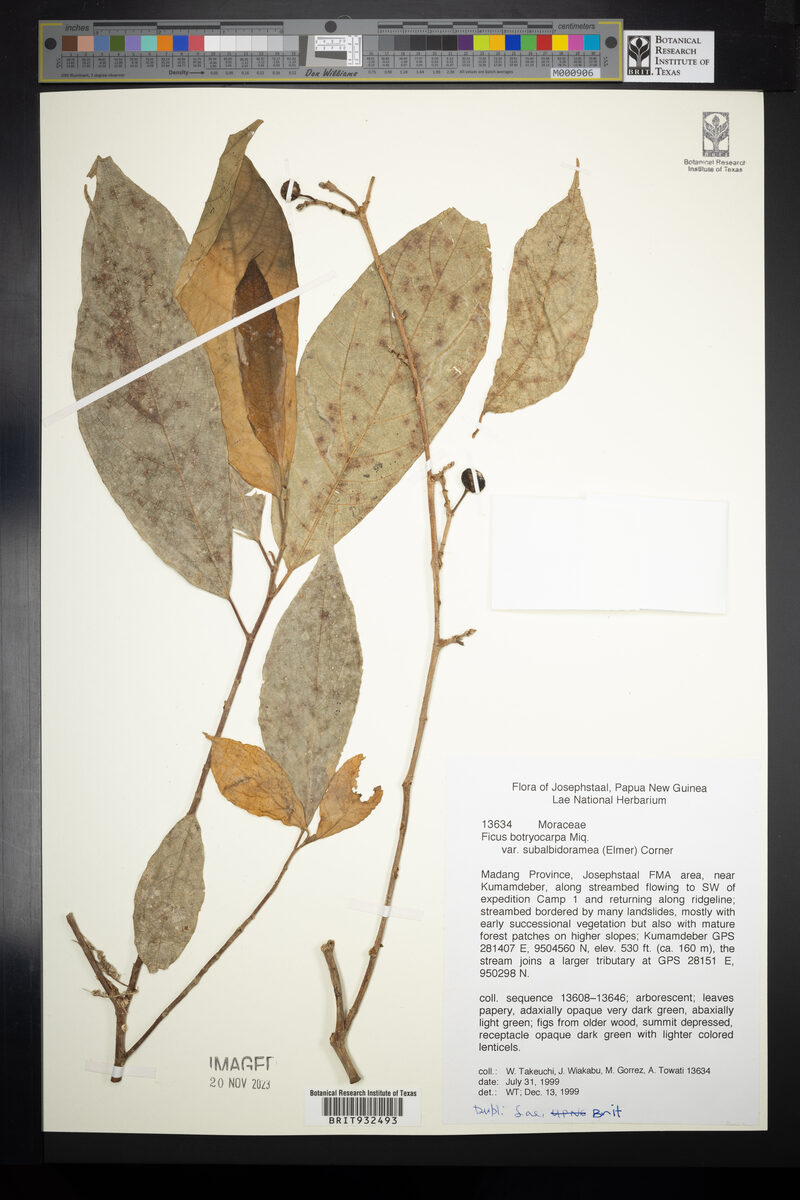
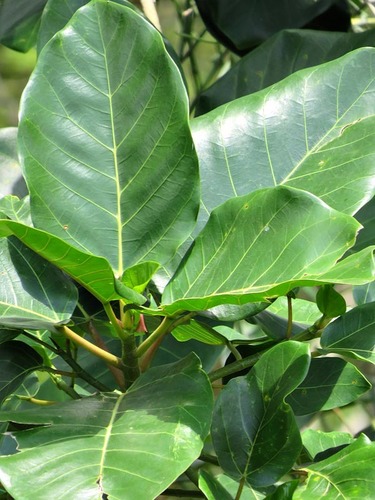
A fig. It is a small evergreen tree. It grows 3-15 m high. The twigs are pale brown and finely rough. They are thin and sometimes hang down. They are hairy. The leafy structure at the base of the leaf is sword shaped and pale brown with a few hairs. The leaf stalk is 3-8 mm long and coarse. The leaves are somewhat rough. They are oblong and taper towards the end. The base of the leaf can be wedge shaped. Sometimes the edges have teeth. The leaves are 5-13 cm long by 2-6 cm wide. The figs are almost without stalks. They are yellowish-red. They occur in pairs in the axils of leaves. They are 0.5-0.8 cm across and slightly rough.
Edible Uses
The leaves are eaten fresh, and ripe fruit are consumed fresh.
Traditional Uses
The leaves are eaten. The ripe fruit are eaten fresh.
This uses section is brief — help expand it
Distribution
It is a tropical plant. It grows in the lowlands. In China it grows in broad-leaved evergreen forests at low elevations.
Where It Grows
Asia, China, East Timor, Indonesia, Japan, Malaysia, Pacific, Papua New Guinea, PNG, Philippines, SE Asia, Taiwan, Timor-Leste,
Cultivation
Plants can be grown from seeds.
Other Information
In some areas of Papua New Guinea it is a very common fig.
Notes
There are about 800-1000 Ficus species. They are mostly in the tropics. There are 120 Ficus species in tropical America.
Synonyms
Also Known As
Fei lu bin rong, Pohon ara ampelas
References (8)
- Borrell, O.W., 1989, An Annotated Checklist of the Flora of Kairiru Island, New Guinea. Marcellin College, Victoria Australia. p 104
- Flora of China.
- Fl. indica 226. 1768 (As ampelos)
- Luo, B., et al, 2019, Wild edible plants collected by Hani from terraced rice paddy agroecosystem in Honghe Prefecture, Yunnan, China. Journal of Ethnobiology and Ethnomedicine 15:56 (As Ficus irisana)
- Peekel, P.G., 1984, (Translation E.E.Henty), Flora of the Bismarck Archipelago for Naturalists, Division of Botany, Lae, PNG. p 148, 146
Show all 8 references Hide references
- Reis, S. V. and Lipp, F. L., 1982, New Plant Sources for Drugs and Foods from the New York Botanical Garden herbarium. Harvard. p 43 (As Ficus fastigiata)
- Sukarya, D. G., (Ed.) 2013, 3,500 Plant Species of the Botanic Gardens of Indonesia. LIPI p 280
- World Checklist of Useful Plant Species 2020. Royal Botanic Gardens, Kew