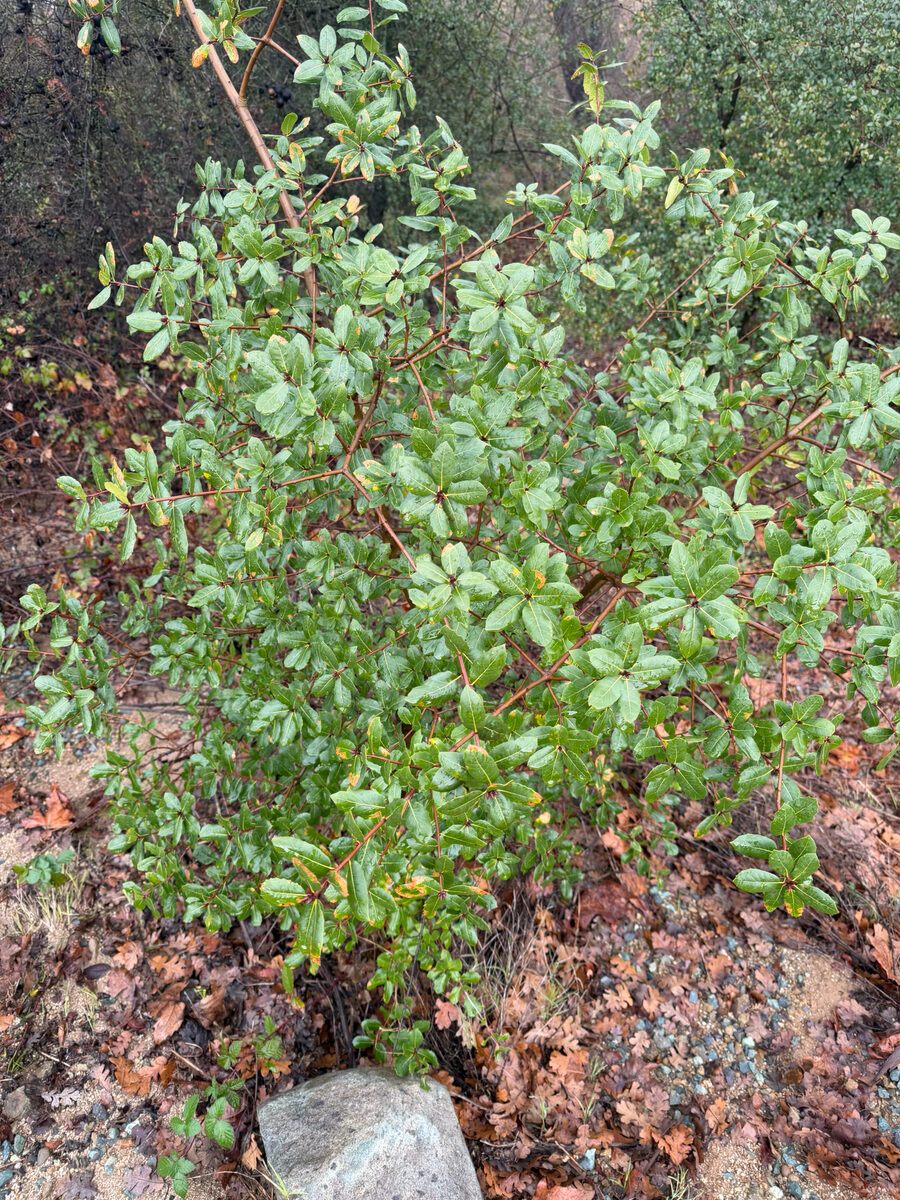
Fagus crenata
Blume
Japanese beech
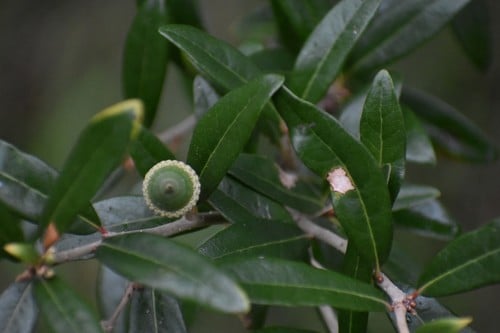
iNaturalist· cc-by
(c) Marco Mussita, some rights reserved (CC BY), uploaded by Marco Mussita
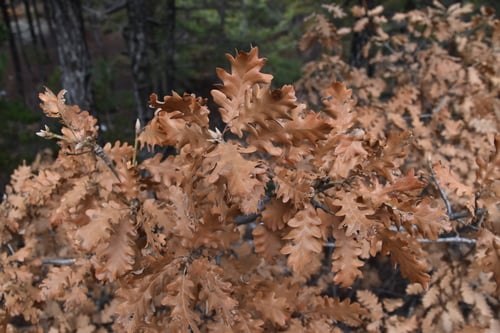
iNaturalist· cc-by
(c) Marco Mussita, some rights reserved (CC BY)
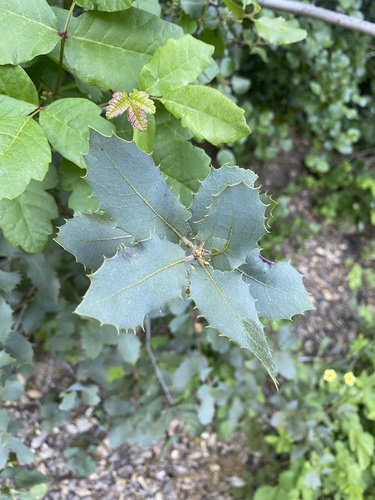
iNaturalist· cc-by-sa
(c) harum.koh, some rights reserved (CC BY-SA), uploaded by harum.koh
Summary
Source: WikipediaFagus crenata, buna (Japanese: ブナ), known as Siebold's beech, or Japanese beech, is a species of deciduous tree in the family Fagaceae. It is a tall dense hardwood that is only native to Japan. The first written record of this tree in the Western world was in 1830 and it was scientifically described in 1851. It is a high canopy tree and is the dominant tree in most of its range; often colocated with Quercus crispula (Japanese oak) and Acer mono (Painted maple). Nuts, seeds, oil, and young leaves can be eaten but care must be exercised due to toxins. It is also used for firewood, furniture, construction, and shade. Climate change is having a negative impact on this tree.
Description
A deciduous tree. It grows 9 m tall and spreads 6 m wide. The bark is grey. The leaves are oval. They are pale green underneath and have wavy edges when young. The edges of the leaves and the veins underneath are furry.
Edible Uses
Young leaves can be eaten raw and have a pleasantly mild flavour, but they toughen quickly so only the youngest should be used. New growth typically appears during two periods of around 3 weeks each year — once in spring and once in mid-summer. The seed can be eaten raw or cooked and is rich in oil, though it should not be consumed in large quantities. It can be dried and ground into a powder. A semi-drying edible oil is obtained from the seed. The roasted seed makes a coffee substitute.
Traditional Uses
The seeds have been processed into flour in times of food shortage.
This uses section is brief — help expand it
Medicinal Uses
None known.
Known Hazards
Although no specific mention has been seen for this species, large quantities of the seed of many species in this genus are thought to be toxic.
Distribution
Temperate. It suits hardiness zones 6-9.
Where It Grows
Asia, Australia, Japan,
Cultivation
Thrives on a light or medium soil, doing well on chalk, but it is ill-adapted for heavy wet soils. Young trees are very shade tolerant, but are subject to frost damage so are best grown in a woodland position which will protect them. Although very cold hardy, this species requires hotter summers than are normally experienced in Britain so is not usually a success here and is very slow growing. Trees have surface-feeding roots and also cast a dense shade. This greatly inhibits the growth of other plants and, especially where a number of the trees are growing together, the ground beneath them is often almost devoid of vegetation.
Propagation
Seed has short viability and is best sown as soon as ripe in autumn in a cold frame, protected from mice. Germination occurs in spring. Prick out seedlings into individual pots when large enough and grow on under glass for at least their first winter. Plant out into permanent positions in late spring or early summer after the last expected frosts. Seedlings are slow-growing for the first few years and very susceptible to late frost damage. Seed can also be sown in an outdoor seedbed in autumn. Seedlings can remain in the open ground for three years before transplanting, but do best if moved to final positions as soon as possible with some protection from spring frosts.
Other Uses
An oil is obtained from the seed.
Notes
There are 10 Fagus species. They grow in northern temperate regions.
Synonyms
Also Known As
Buna-no-ki
References (8)
- Chen, B. & Qiu, Z., Consumer's Attitudes towards Edible Wild Plants, Ishikawa Prefecture, Japan. p 23 www.hindawi.com/journals/ijfr/aip/872413.pdf
- Cundall, P., (ed.), 2004, Gardening Australia: flora: the gardener's bible. ABC Books. p 596
- Etherington, K., & Imwold, D., (Eds), 2001, Botanica's Trees & Shrubs. The illustrated A-Z of over 8500 trees and shrubs. Random House, Australia. p 322
- Gen. pl. suppl. 4(2):29. 1847 (As Fagus sieboldii)
- Hibbert, M., 2002, The Aussie Plant Finder 2002, Florilegium. p 101
Show all 8 references Hide references
- Mus. bot. 1:307. 1851
- Plants for a Future database, The Field, Penpol, Lostwithiel, Cornwall, PL22 0NG, UK. http://www.scs.leeds.ac.uk/pfaf/
- S.C.A.P, (As Fagus sieboldii)