Fadogia stenophylla subsp. odorata
Hiern., (Krause) Verdc.
gbif· cc-by
Royal Botanic Gardens, Kew
gbif· cc-by
Meise Botanic Garden
gbif· cc-by
Meise Botanic Garden
Description
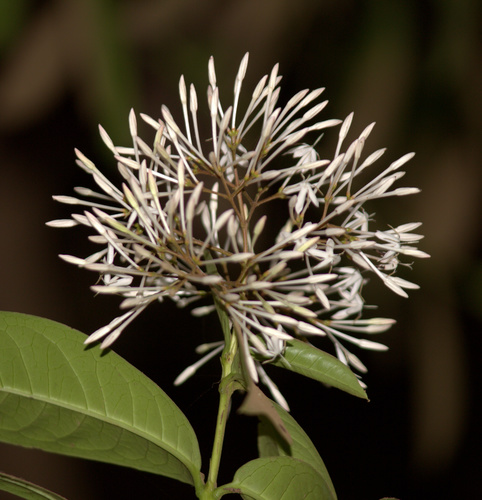
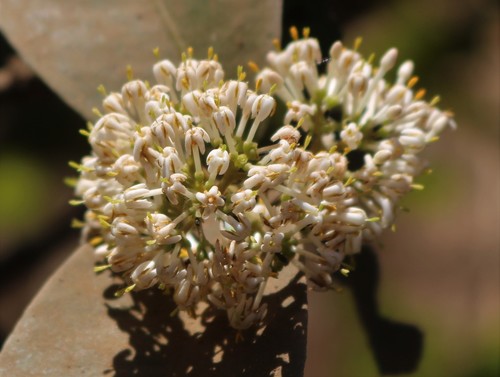
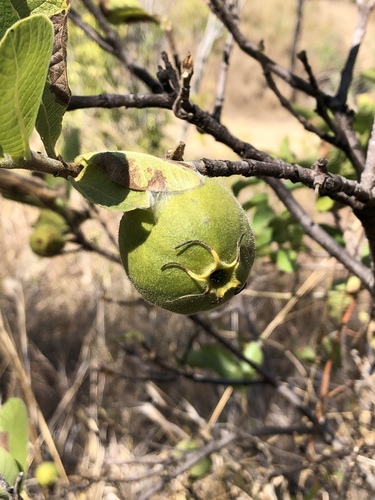
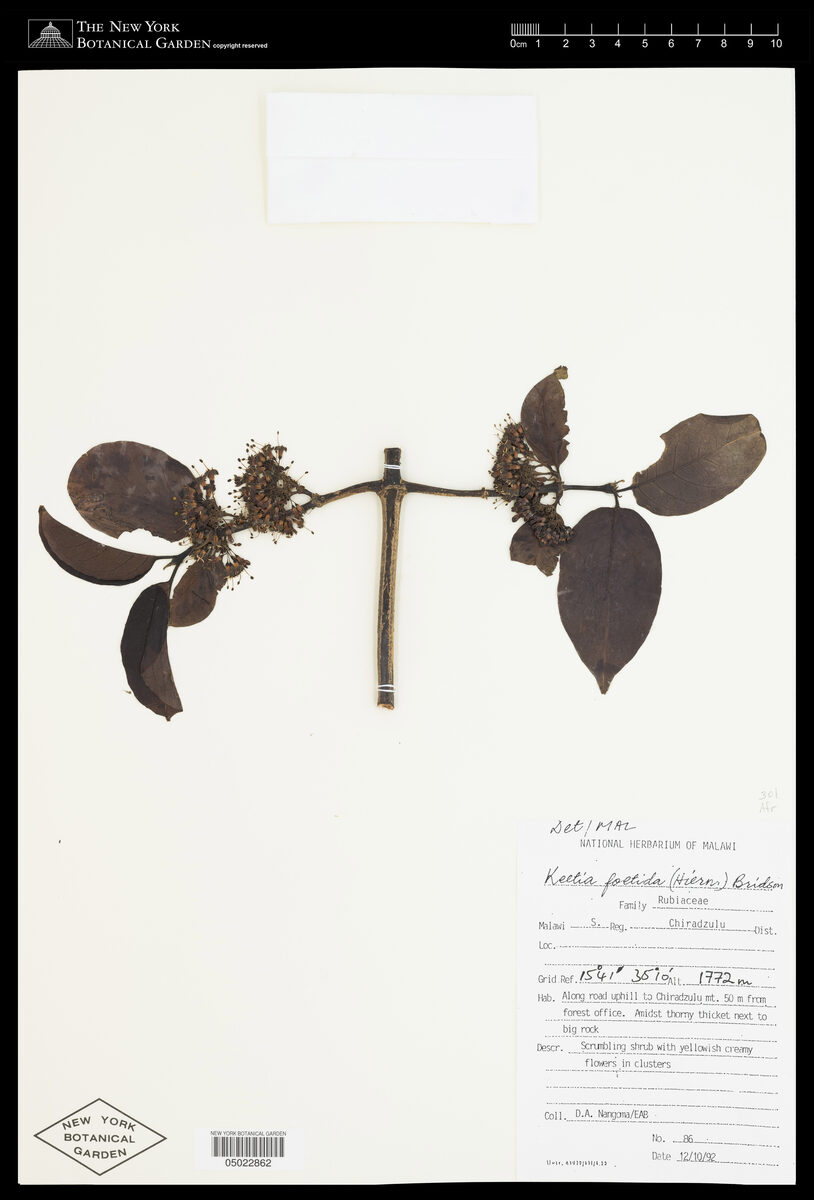
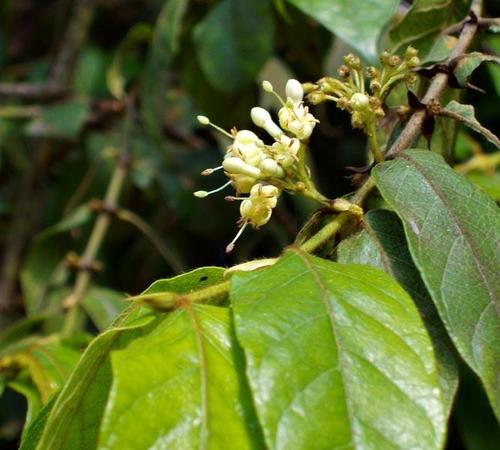
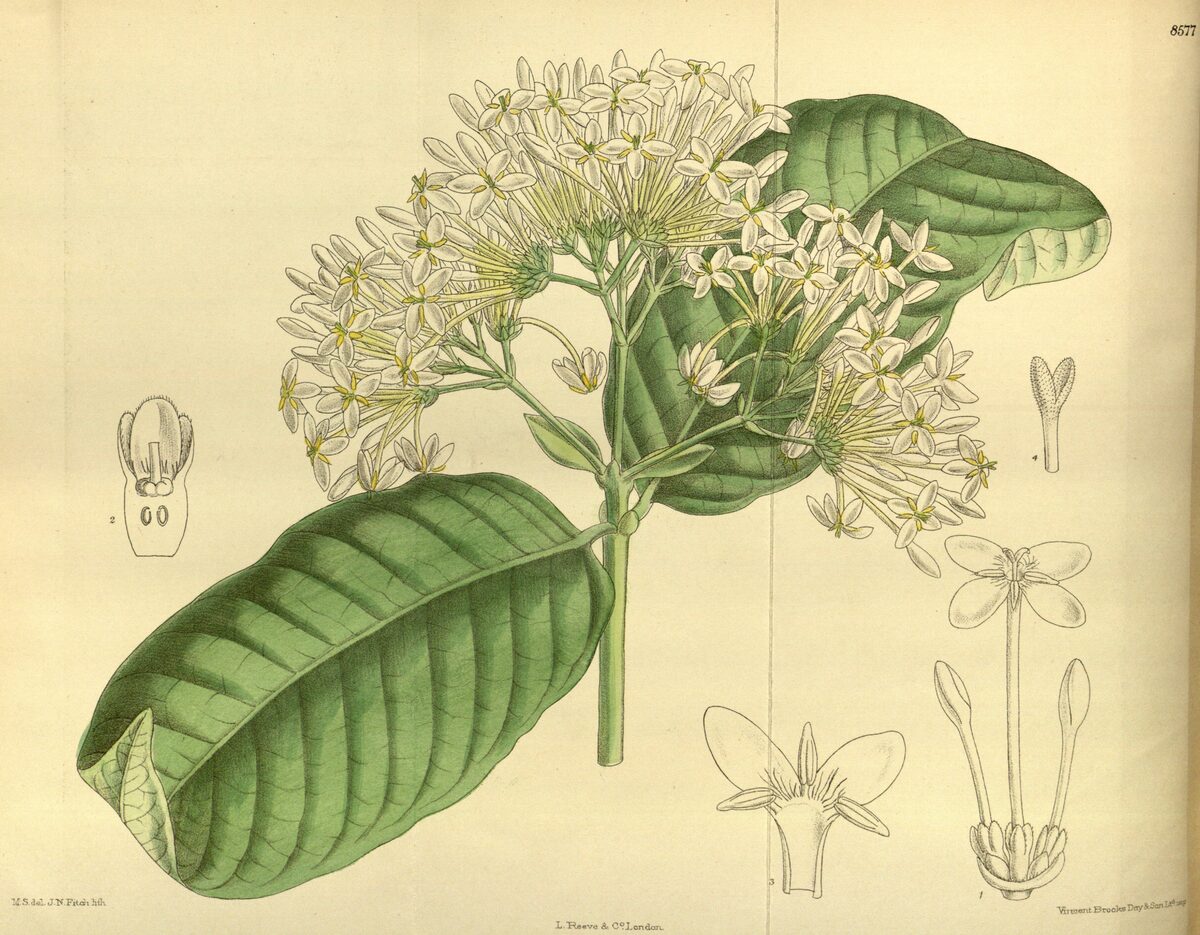
A small shrub. It produces annual, unbranched stems. It grows 40 cm high. These grow from a slender, woody, creeping rhizome. The leaves are oval and in pairs. They are 2.5-4 cm long. There are 1-3 flowers on a stalk. The flowers are small and cream. They have a sweet smell. The fruit are small and green to yellow when ripe.
Edible Uses
The fruit are eaten.
Traditional Uses
The fruit are eaten.
This uses section is brief — help expand it
Distribution
A tropical plant. It grows on ant hills. It grows and flowers after the ground has been burnt. In Zimbabwe it grows between 1,250-2,150 m above sea level.
Where It Grows
Africa, Angola, Burundi, Central Africa, Congo, East Africa, Malawi, Mozambique, Tanzania, Zambia, Zimbabwe,
Synonyms
Also Known As
Mkumbakumba, Mndokoli
References (5)
- Grivetti, L. E., 1980, Agricultural development: present and potential role of edible wild plants. Part 2: Sub-Saharan Africa, Report to the Department of State Agency for International Development. p 66 (As Fadogia odorata)
- http://www.fao.org/forestry/25323-096344a3de335832e8f363c3ac5184a66.pdf (As Fadogia stoltzii)
- Jardin, C., 1970, List of Foods Used In Africa, FAO Nutrition Information Document Series No 2.p 136 (As Fadogia odorata)
- Peters, C. R., O'Brien, E. M., and Drummond, R.B., 1992, Edible Wild plants of Sub-saharan Africa. Kew. p 169
- Williamson, J., 2005, Useful Plants of Malawi. 3rd. Edition. Mdadzi Book Trust. p 115 (As Fadogia odorata)