Weigela decora - (Nakai.)Nakai.
(Nakai.)Nakai.
gbif· cc-by-nc
dhbk0709
gbif· cc-by-nc
Moses J. Michelsohn
gbif· cc-by-nc
Moses J. Michelsohn
Description
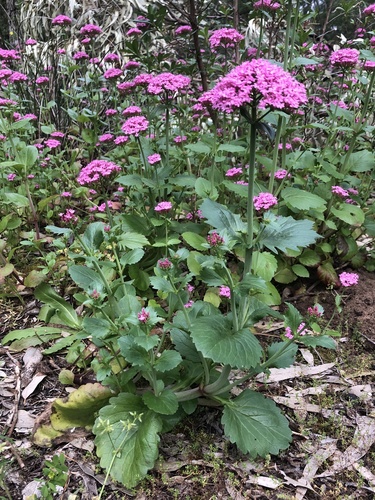
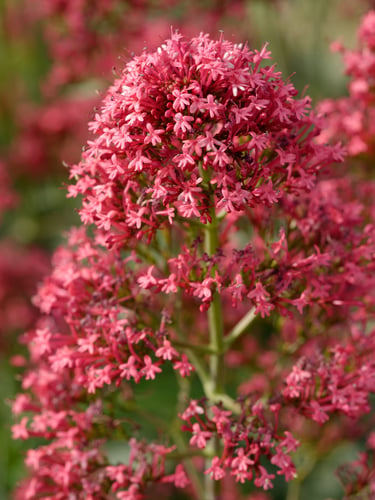
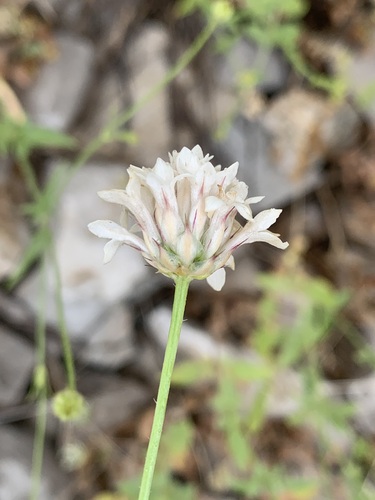
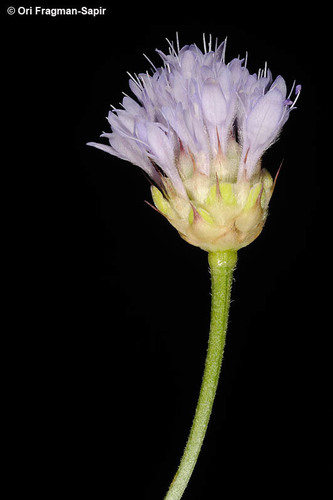
Weigela decora is a deciduous Shrub growing to 5 m (16ft 5in). See above for USDA hardiness. It is hardy to UK zone 6. It is in flower from May to June. The species is hermaphrodite (has both male and female organs). Suitable for: light (sandy), medium (loamy) and heavy (clay) soils and prefers well-drained soil. Suitable pH: mildly acid, neutral and basic (mildly alkaline) soils. It can grow in semi-shade (light woodland) or no shade. It prefers moist soil. It can tolerate atmospheric pollution.
Edible Uses
Young leaves - cooked. They can be boiled with rice or millet.
Distribution
E. Asia - C. and S. Japan.
Where It Grows
TEMPERATE ASIA: Japan (Honshu, Kyushu, Shikoku)
Cultivation
An easily grown plant, succeeding in most fertile soils. Prefers a moist well-drained soil in sun or partial shade. Tolerates atmospheric pollution. Plants are very floriferous and can exhaust themselves, literally flowering themselves to death. The flowers are borne in the leaf nodes of the previous years growth and any pruning is therefore best done as soon as the plant has finished flowering. Plants in this genus are notably resistant to honey fungus.
Propagation
Seed - we have no information for this species but suggest sowing the seed in a cold frame as soon as it is ripe if this is possible, otherwise in late winter or early spring. Prick out the seedlings into individual pots when they are large enough to handle and grow them on in a cold frame for their first winter. Plant them out in late spring or early summer. Softwood basal cuttings, 10 - 12cm long, in a sandy soil in a cold frame in early summer. Cuttings of half-ripe wood, 8 - 10 cm with a heel, July/August in a frame. Cuttings of mature wood of the current seasons growth. 20 cm long, November in a sheltered outdoor nursery bed.