Cephalaria syriaca
(L.) Roem. & Schult.
Syrian Cephalaria
iNaturalist· cc-by-nc-sa
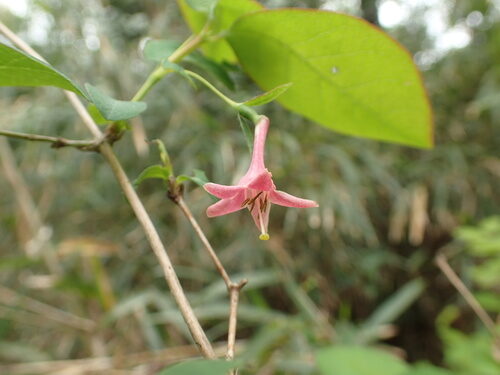
(c) licensed media from TrekNature DwCA without owner, some rights reserved (CC BY-NC-SA)
iNaturalist· cc-by-nc-sa
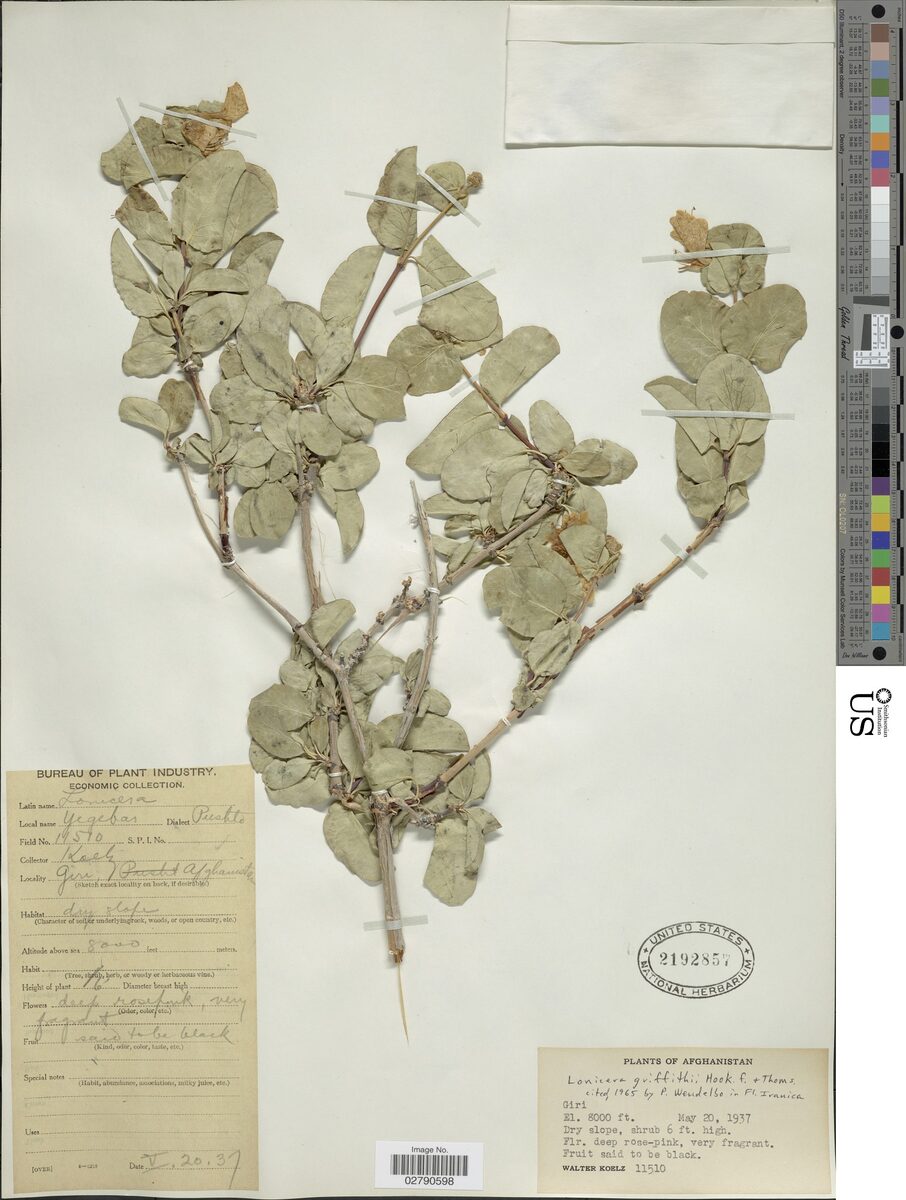
(c) licensed media from TrekNature DwCA without owner, some rights reserved (CC BY-NC-SA)
iNaturalist· cc-by-nc
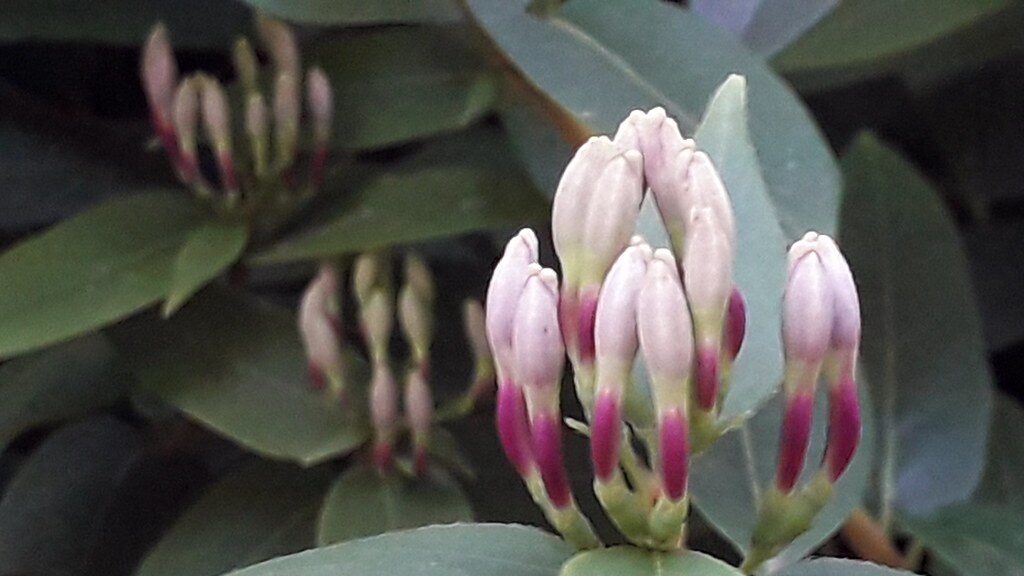
(c) Arya Aras, some rights reserved (CC BY-NC), uploaded by Arya Aras
Summary
A fast-growing annual suitable for light, loamy, and clay soils across neutral to alkaline pH ranges. Requires full sun and prefers consistently moist conditions.
Description
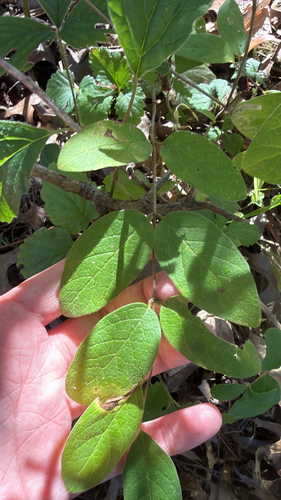
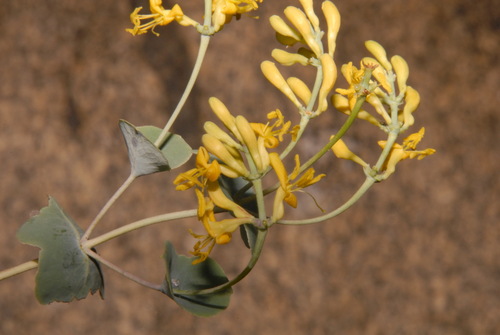
A tall herb. It keeps growing from year to year. It grows about 1 m tall. It is woody near the base and the stems are erect and unbranched. The leaves are usually not lobed. The flowers are blue or lilac. They are 8-14 mm long.
Edible Uses
The seed is ground into a powder and used with wheat to make bread, cakes and similar foods. It adds a pleasant flavour but goes rancid quickly.
Traditional Uses
The seed are ground into a powder and used with flour. They add a nice flavour but it quickly goes rancid.
This uses section is brief — help expand it
Medicinal Uses
No medicinal uses are known for this plant.
Distribution
It is a temperate and Mediterranean climate plant. It grows in general garden soils. It grows in cultivated and waste places. In Pakistan it grows between 1,000-2,000 m altitude.
Where It Grows
Afghanistan, Africa, Algeria, Armenia, Azerbaijan, Caucasus, Central Asia, Cyprus, Egypt - Sinai, Europe, France, Georgia, Iran, Iraq, Israel, Jordan, Kuwait, Lebanon, Mediterranean, Middle East, Morocco, North Africa, Pakistan, Saudi Arabia, Spain, Syria, Tajikistan, Turkey, Türkiye,
Cultivation
Seed can be sown where they are to grow.
Propagation
No detailed propagation information is available, but sowing seed in situ in March or April is suggested. A September or October sowing may also be worth experimenting with.
Other Uses
The seed contains 22.6% oil, which is used as a fuel.
Notes
There are about 65 Cephalaria species. Also put in the family Dipsacaceae.
Synonyms
Also Known As
Abrepuños, Céphalaire de Syrie, Escabiosilla, Makhobeli, Pelemir
References (11)
- Blamey, M and Grey-Wilson, C., 2005, Wild flowers of the Mediterranean. A & C Black London. p 425
- Ertug, F, Yenen Bitkiler. Resimli Türkiye Florası -I- Flora of Turkey - Ethnobotany supplement
- Flora of Pakistan www.eFloras.org
- Hanelt, P. et al, (Eds.), 2001, Mansfield's encyclopedia of agricultural and horticultural crops. p 1709
- Joyce, D., 1998, The Garden Plant Selector. Ryland, Peters and Small. p 215
Show all 11 references Hide references
- Plants for a Future database, The Field, Penpol, Lostwithiel, Cornwall, PL22 0NG, UK. http://www.scs.leeds.ac.uk/pfaf/
- Syst. veg. 3:45. 1818 (H. A. Schrader, Cat. sem. hort. gott. 1814, nom. inval.)
- USDA, ARS, National Genetic Resources Program. Germplasm Resources Information Network - (GRIN). [Online Database] National Germplasm Resources Laboratory, Beltsville, Maryland. Available: www.ars-grin.gov/cgi-bin/npgs/html/econ.pl (10 April 2000)
- Wiersema, J. H. & Leon, B., 2013, World Economic Plants. A Standard Reference CRC Press. 2nd Ed. p 161
- World Checklist of Useful Plant Species 2020. Royal Botanic Gardens, Kew
- Zeven, A. C. & de West, J. M. J., 1982, Dictionary of cultivated plants and their regions of diversity. Wageningen. p 89