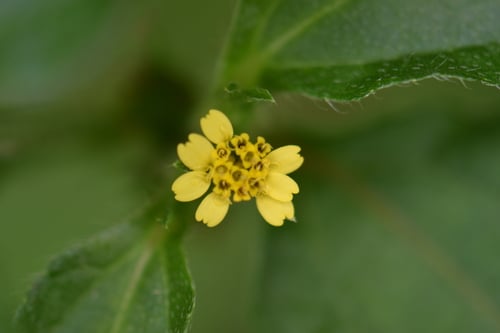
Solidago suaveolens
Schoepf.
anisescented goldenrod
gbif· cc-by
The New York Botanical Garden
gbif· cc-by
Meise Botanic Garden
Description
Solidago suaveolens is a PERENNIAL. The species is hermaphrodite (has both male and female organs) and is pollinated by Insects. It is noted for attracting wildlife. Suitable for: light (sandy), medium (loamy) and heavy (clay) soils. Suitable pH: mildly acid, neutral and basic (mildly alkaline) soils. It can grow in semi-shade (light woodland) or no shade. It prefers moist soil.
Edible Uses
The flowers and leaves are used to make tea.
Medicinal Uses
Antiseptic. Antiseptic. An infusion of the dried powdered herb can be used.
Distribution
N. America.
Where It Grows
Coming Soon
Cultivation
We have very little information on this species and do not know if it will succeed in Britain, though judging by its native range it could succeed outdoors in many parts of the country. The following notes are based on the general needs of the genus. Succeeds in any moderately fertile moisture retentive soil in sun or semi-shade. Grows well in heavy clay soils. A rather greedy plant, it is apt to impoverish the soil. The plant attracts various beneficial insects such as ladybirds, lacewings and hoverflies to the garden, these insects will help to control insect pests in the garden.
Propagation
Seed - sow spring in a cold frame. Only just cover the seed and do not allow the compost to become dry. Prick out the seedlings into individual pots when they are large enough to handle, and grow them on for their first winter in pots. Plant them out into their permanent positions in spring or early summer. Division in spring or autumn. Larger divisions can be planted out direct into their permanent positions. We have found it best to pot up the smaller divisions and grow them on in a lightly shaded position in a cold frame, planting them out once they are well established in the summer.
Other Uses
Mustard, orange and brown dyes can be obtained from the whole plant.