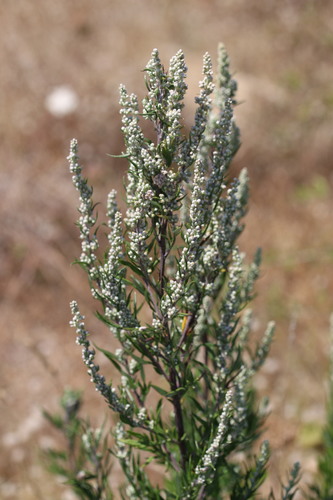
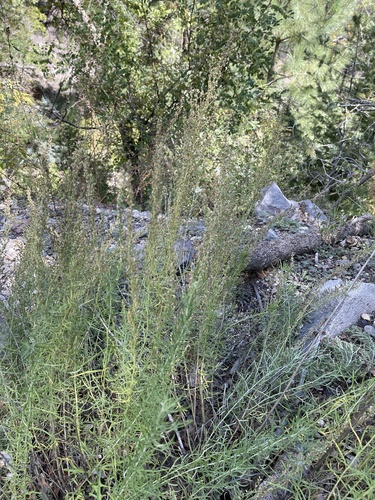
Cirsium hookerianum
Nutt.
White thistle, Hooker's thistle
iNaturalist· cc-by-nc-sa
(c) 2009 Barry Breckling, some rights reserved (CC BY-NC-SA)
iNaturalist· cc-by-nc
(c) Ryan O'Dell, some rights reserved (CC BY-NC)
iNaturalist· cc-by-nc
(c) tisrel, some rights reserved (CC BY-NC), uploaded by tisrel
Summary
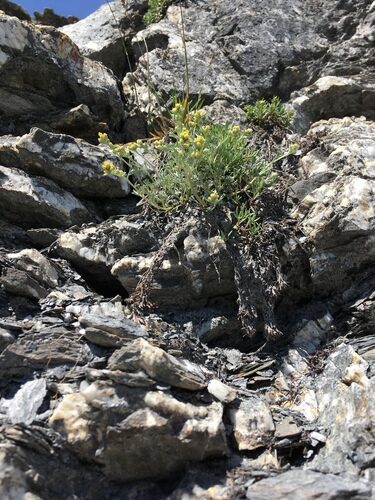
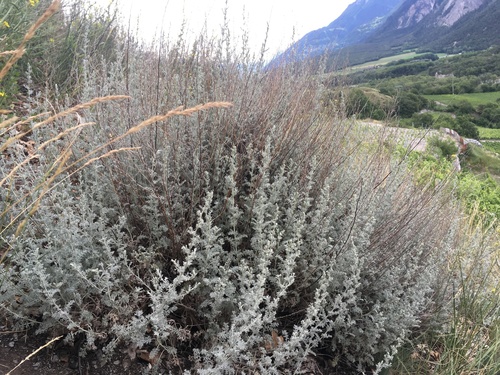
Source: WikipediaCirsium hookerianum, Hooker's thistle or white thistle, is a North American species of thistle native to western Canada and the northwestern United States. It is found in the northern Rocky Mountains as well as in some of the northern Cascades and Coast Ranges, in Alberta, British Columbia, Washington, Idaho, Montana, and Wyoming. Cirsium hookerianum is biennial or perennial herb up to 150 cm (60 inches) tall, with a large taproot. Leaves are green on top, usually white and woolly underneath, with spines along the edges. There are usually several flower heads with white or pink disc florets but no ray florets. The species grows in grasslands, meadows, and the edges of forests in mountainous areas.
Description
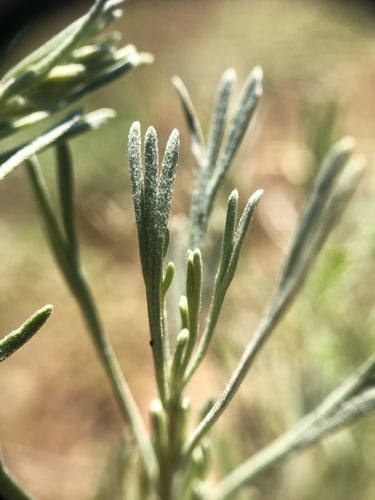
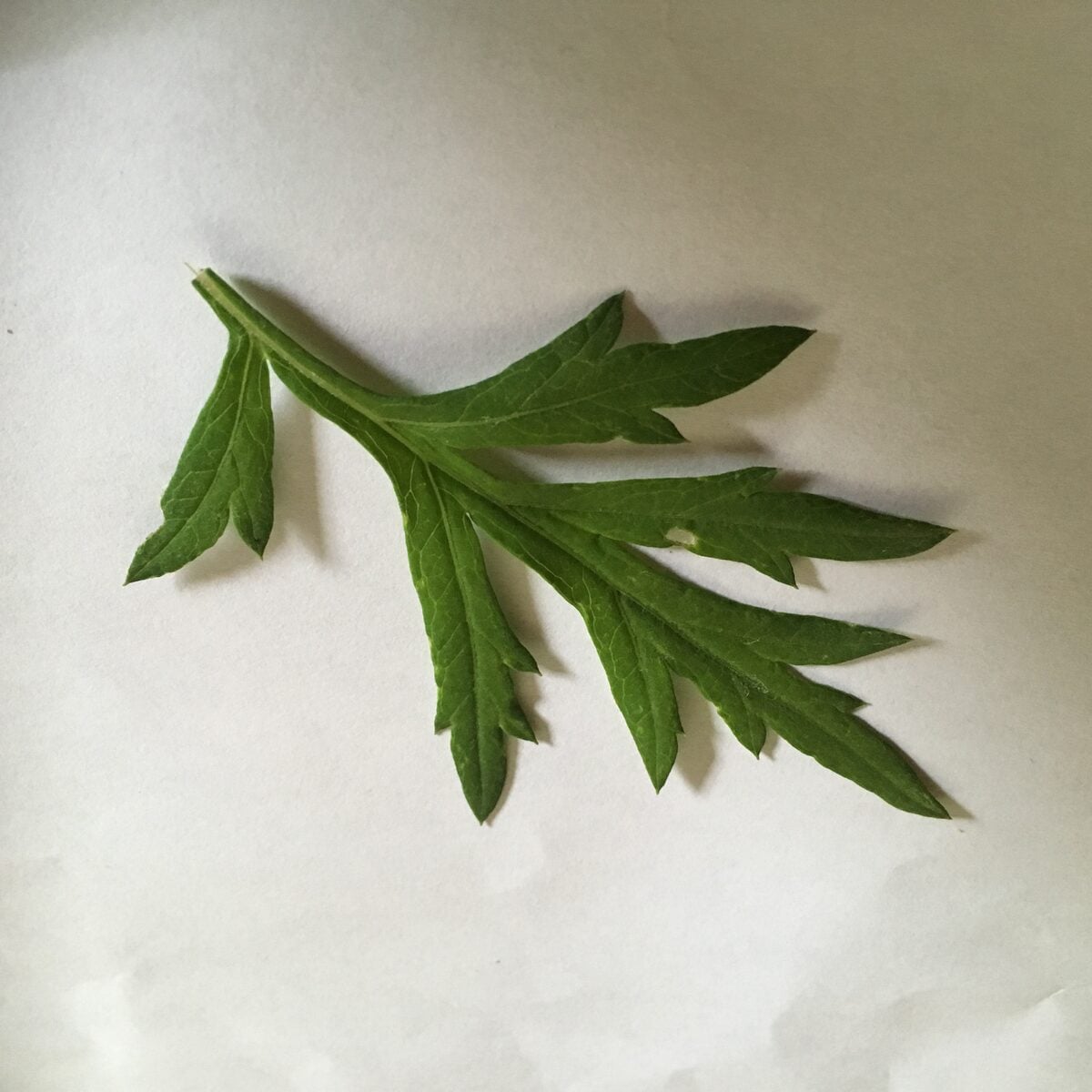
A herb. It is thistle that keeps growing from year to year. It is a tall sturdy plant and grows 30-90 cm high. The leaves are alternate and narrowly oblong. They can have lobes. They are white and woolly underneath. They are smooth above. They do not have a leaf stalk. They are 10-25 cm long. The flowers are in disks that are white or cream. The bracts are cobwebby, woolly and have spines at the tip. The flower heads can be a few or many. They are 3-4 cm across. The fruit is a dry achene.
Edible Uses
The root can be boiled as a vegetable or added to soups and stews, and may also be dried for later use. It is likely rich in inulin, a starch the human body cannot digest, which passes through the digestive system unchanged and may ferment in some people, causing flatulence.
Traditional Uses
The roots can be eaten raw or cooked with meat.
This uses section is brief — help expand it
Medicinal Uses
None known.
Distribution
It is a temperate plant. It grows in woods and open places.
Where It Grows
Canada, North America, USA,
Cultivation
We have very little information on this species and do not know if it will be hardy in Britain, though judging by its native range it should succeed outdoors in many parts of this country. It is a short-lived perennial. The following notes are based on the general needs of the genus. An easily grown plant, succeeding in any ordinary garden soil in a sunny position.
Propagation
Sow seed in early spring or autumn directly in situ. Germination typically occurs within 2–8 weeks at 20°C.
Other Uses
The seeds of all thistle species yield a useful oil by expression. No details on potential yields are available.
Notes
There are about 150-250 Cirsium species. They grow in temperate regions.
References (7)
- Beckstrom-Sternberg, Stephen M., and James A. Duke. "The Foodplant Database." http://probe.nalusda.gov:8300/cgi-bin/browse/foodplantdb.(ACEDB version 4.0 - data version July 1994)
- Cormack, R. G. H., 1967, Wild Flowers of Alberta. Commercial Printers Edmonton, Canada. p 362
- MacKinnon, A., et al, 2009, Edible & Medicinal Plants of Canada. Lone Pine. p 368
- Plants for a Future database, The Field, Penpol, Lostwithiel, Cornwall, PL22 0NG, UK. http://www.scs.leeds.ac.uk/pfaf/
- Scotter, G. W., & Flygare, H., 1993, Wildflowers of the Canadian Rockies. Hurtig. p 12
Show all 7 references Hide references
- Stubbs, R. D., 1966, An investigation of the Edible and Medicinal Plants used by the Flathead Indians. MA thesis University of Montana. p 41
- Turner, N., 1997, Food Plants of Interior First Peoples. Royal BC Museum Handbook p 95