Cirsium japonicum
(Thunb.) Fisch. ex DC.
Cat thistle, Japanese thistle
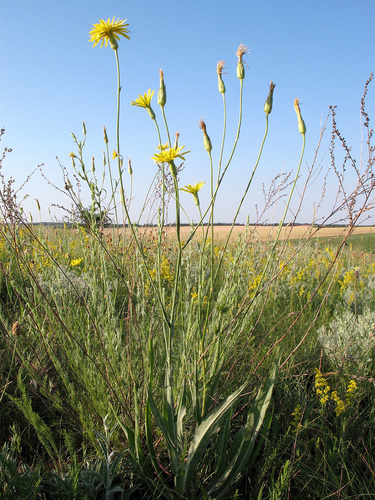
iNaturalist· cc-by-nc
(c) anneanitakuo, some rights reserved (CC BY-NC), uploaded by anneanitakuo
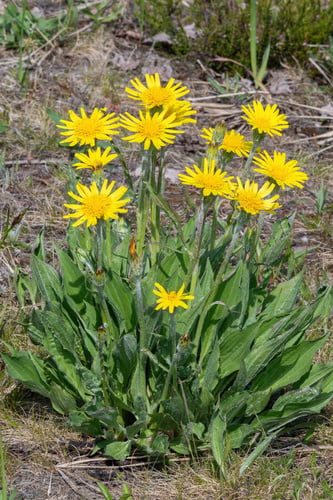
iNaturalist· cc-by-nc
(c) jsulan, some rights reserved (CC BY-NC)
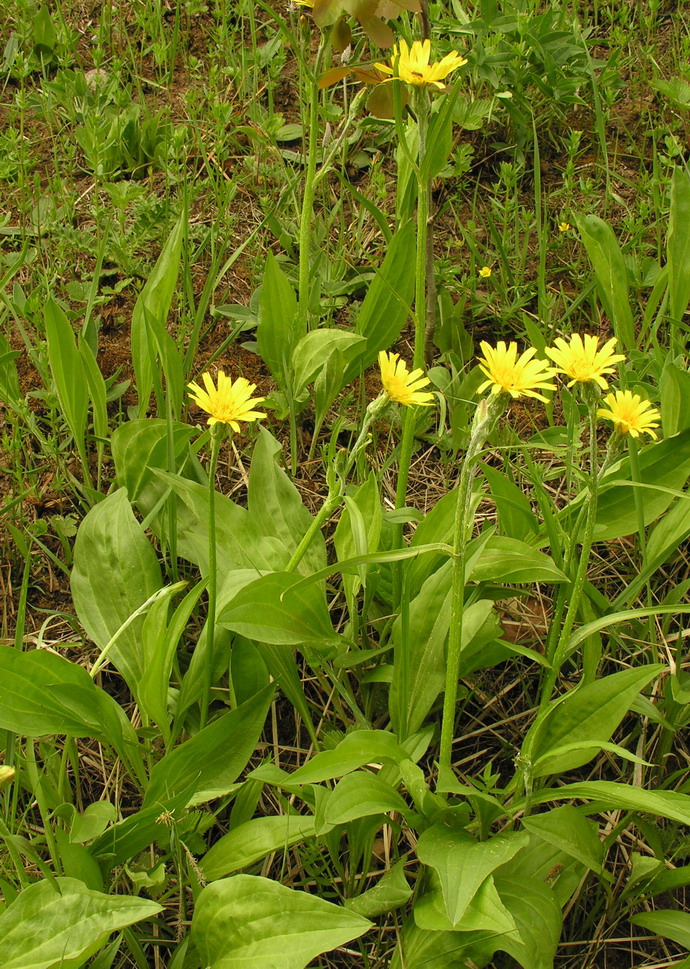
iNaturalist· cc-by-nc
(c) hamer306, some rights reserved (CC BY-NC)
Summary
Source: WikipediaCirsium japonicum, commonly known as Japanese thistle, plumed thistle, or sea thistle, is a species of flowering plant in the sunflower family, Asteraceae. It is a perennial thistle native to eastern Asia, ranging from Japan to Korea, China, Taiwan, and Vietnam.
Description
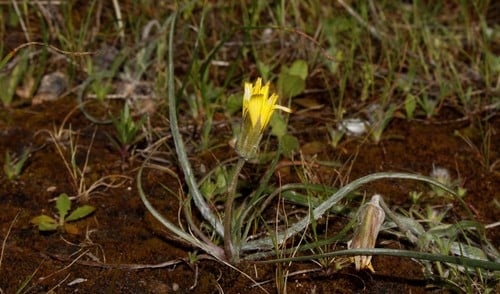
A herb. It is a thistle plant. It grows 0.9-1.5 m tall and spreads 0.6-1.2 m wide. The leaves are oval and 8-20 cmlong by 3-8 cm wide. They have spines. It keeps branching into several erect slender stems. These end in 2.5-5 cm wide flower heads. These are pink or purple.
Edible Uses
Young leaves are very palatable in spring and are cooked together with the young roots. Thistle seeds also yield an oil by expression.
Traditional Uses
Young leaves and roots are eaten. They are used as a potherb. They are stewed with meat. The roots are used for a sweet drink made from fermented rice.
Medicinal Uses
The roots are anti-inflammatory, diuretic, and haemostatic. A decoction of dried roots is used to treat boils and carbuncles, acute appendicitis, uterine bleeding, haematuria, nosebleeds, haematemesis, and traumatic bleeding. The leaves are haemostatic and diuretic, and the stem is also haemostatic.
Distribution
It is a temperate climate plant. It can grow on sandy shores. In China it grows on the edges of forests and wasteland between 400-2,100 m above sea level. It suits hardiness zones 5-9. In Sichuan and Yunnan.
Where It Grows
Asia, Australia, China, Japan, Korea, Russia, SE Asia, Taiwan, Tibet, Vietnam,
Cultivation
An easily grown plant, succeeding in any ordinary garden soil in a sunny position. Cultivated for cut flowers in Japan. There are some named forms selected for their ornamental value. In garden design, as well as the above-ground architecture of a plant, root structure considerations help in choosing plants that work together for their optimal soil requirements including nutrients and water. Thick or swollen - fibrous or tap root.
Propagation
Sow seed in early spring or autumn directly in situ. Germination typically occurs within 2–8 weeks at 20°C. Can also be propagated by division in spring or autumn.
Other Uses
The seeds of all thistle species yield a useful oil by expression. No details on potential yields are available.
Notes
There are about 150-250 Cirsium species. They grow in temperate regions.
Synonyms
Also Known As
Baimaci, Che pei a gong, Eonggeongkwi, No-azami
References (9)
- Cundall, P., (ed.), 2004, Gardening Australia: flora: the gardener's bible. ABC Books. p 379
- Hu, Shiu-ying, 2005, Food Plants of China. The Chinese University Press. p 725
- Ju, Y., et al, 2013, Eating from the wild: diversity of wild edible plants used by Tibetans in Shangri-la region, Yunnan, China, Journal of Ethnobiology and Ethno medicine 9:28
- Kim, H. & Song, M., 2013, Ethnobotanical analysis for traditional knowledge of wild edible plants in North Jeolla Province (Korea). Genetic. Resour. Crop Evol. (2013) 60:1571-1585
- Lim, T. K., 2015, Edible Medicinal and Non Medicinal Plants. Volume 9, Modified Stems, Roots, Bulbs. Springer p 24
Show all 9 references Hide references
- Luo, B., et al, 2019, Wild edible plants collected by Hani from terraced rice paddy agroecosystem in Honghe Prefecture, Yunnan, China. Journal of Ethnobiology and Ethnomedicine 15:56
- Plants for a Future database, The Field, Penpol, Lostwithiel, Cornwall, PL22 0NG, UK. http://www.scs.leeds.ac.uk/pfaf/
- Prodr. 6:640. 1838
- READ (As Cnicus japonicum)