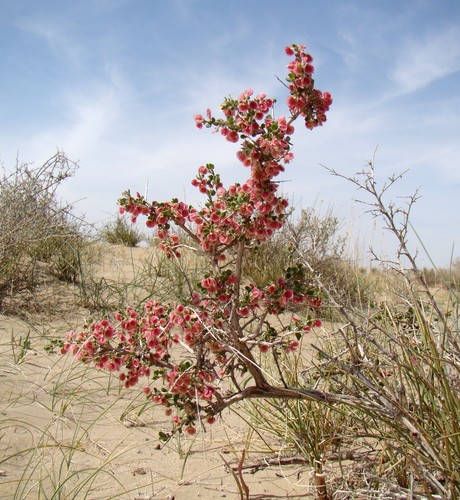
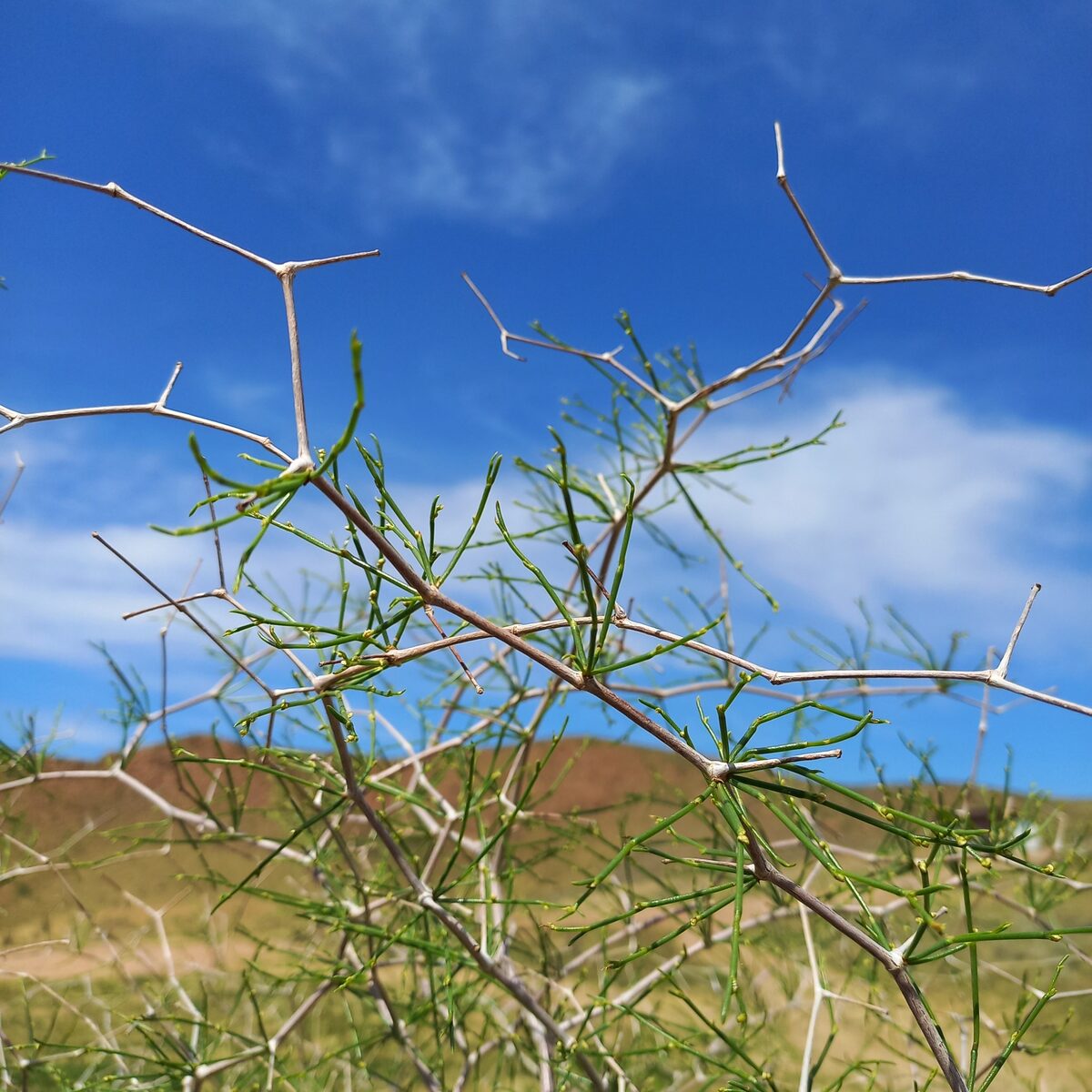
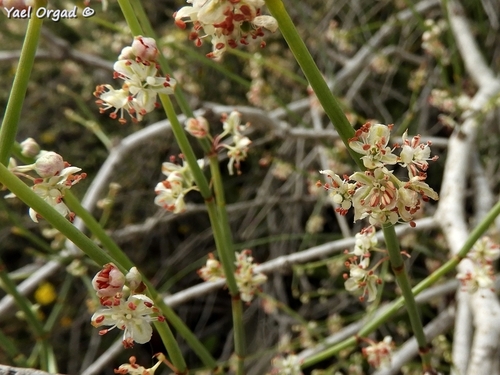
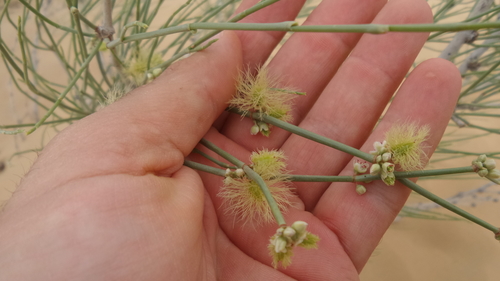
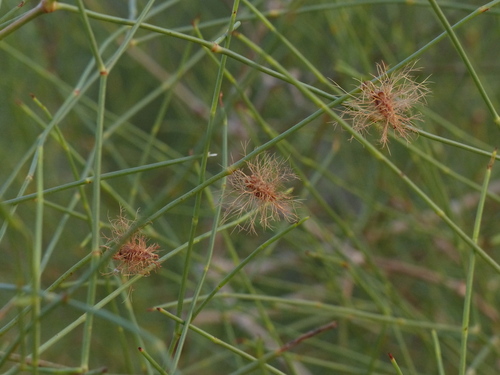
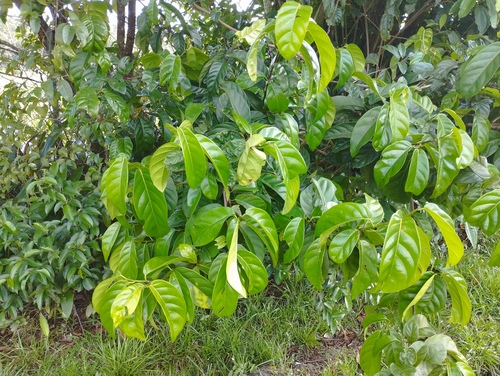
Rumex angiocarpus
Murb.
Common sheep sorrel
gbif· cc-by-nc-nd
Antoon De Rycke (dr PlAntoon)
gbif· cc-by
GBIF
gbif· cc-by
GBIF
Description
Rumex angiocarpus is a PERENNIAL growing to 0.3 m (1ft). The species is dioecious (individual flowers are either male or female, but only one sex is to be found on any one plant so both male and female plants must be grown if seed is required). and is pollinated by Wind. The plant is not self-fertile. Suitable for: light (sandy), medium (loamy) and heavy (clay) soils. Suitable pH: mildly acid, neutral and basic (mildly alkaline) soils and can grow in very acid soils. It can grow in semi-shade (light woodland) or no shade. It prefers moist soil.
Edible Uses
Young leaves - raw or cooked.
Known Hazards
Plants can contain quite high levels of oxalic acid, which is what gives the leaves of many members of this genus an acid-lemon flavour. Perfectly alright in small quantities, the leaves should not be eaten in large amounts since the oxalic acid can lock-up other nutrients in the food, especially calcium, thus causing mineral deficiencies. The oxalic acid content will be reduced if the plant is cooked. People with a tendency to rheumatism, arthritis, gout, kidney stones or hyperacidity should take especial caution if including this plant in their diet since it can aggravate their condition.
Distribution
Southern and central Europe, including Britain, to N. Africa.
Where It Grows
EUROPE: Italy (incl. Sardinia), Spain, France (incl. Corsica), Portugal AFRICA: Algeria, Morocco
Cultivation
Succeeds in most soils but prefers a deep fertile moderately heavy soil that is humus-rich, moisture-retentive but well-drained and a position in full-sun or part shade. This species is considered to be no more than a sub-species of R. acetosella by some authorities. Dioecious, male and female plants must be grown if seed is required.
Propagation
Seed - sow spring in a cold frame. When they are large enough to handle, prick the seedlings out into individual pots and plant them out in the summer. Division in spring.
Other Uses
Although no specific mention has been made for this species, dark green to brown and dark grey dyes can be obtained from the roots of many species in this genus, They do not need a mordant.