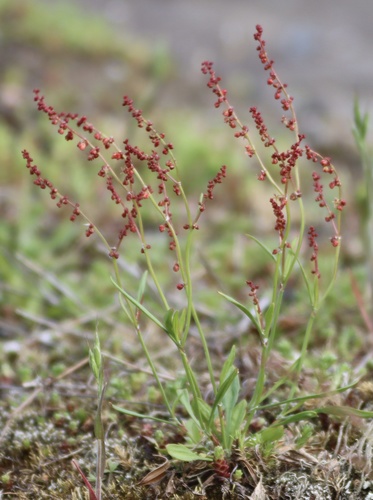
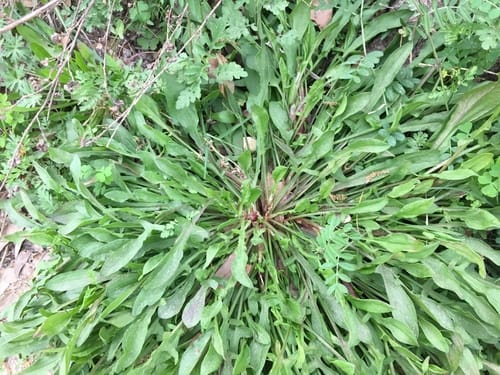
Calligonum aphyllum - (Pall.)Gürke.
(Pall.)Gürke.
gbif· cc-by
Alexander Dubynin
gbif· cc-by
Alexander Dubynin
gbif· cc-by
Alexander Dubynin
Description
Calligonum aphyllum is an evergreen Shrub growing to 1.2 m (4ft). See above for USDA hardiness. It is hardy to UK zone 4. It is in leaf all year, in flower in May, and the seeds ripen in July. The species is hermaphrodite (has both male and female organs). Suitable for: light (sandy) and medium (loamy) soils and prefers well-drained soil. Suitable pH: mildly acid, neutral and basic (mildly alkaline) soils. It cannot grow in the shade. It prefers dry or moist soil and can tolerate drought.
Edible Uses
Gum. Young shoots - cooked. An edible gum or mucilage is obtained from the leaves. The pounded root furnishes an edible mucilaginous substance resembling gum tragacanth (see Ferula species). One report says that the plant has an edible fruit. This possibly refers to the seed.
Distribution
Europe to Asia - Caspian Sea.
Where It Grows
TEMPERATE ASIA: Russian Federation-Ciscaucasia (Ciscaucasia), Azerbaijan, Russian Federation (Dagestan), Russian Federation-Western Siberia (Western Siberia (southwest)), Kazakhstan, Tajikistan, Turkmenistan (north), Uzbekistan, China (Xinjiang Uygur Zizhiqu) EUROPE: Russian Federation-European part (European part (south))
Cultivation
Requires a dryish sunny position and a sandy loam. Plants are tolerant of extreme cold but they are impatient of shade or excessive moisture.
Propagation
Seed - we have no information on this species. The seed is probably best sown in late winter in a greenhouse. Prick out the seedlings when they are large enough to handle and grow them on in the greenhouse for their first winter. Plant out in early summer of the following year.
Other Uses
Gum. None known