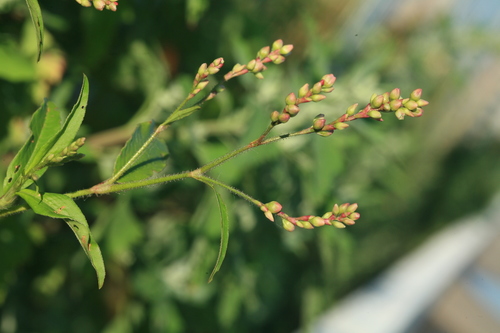
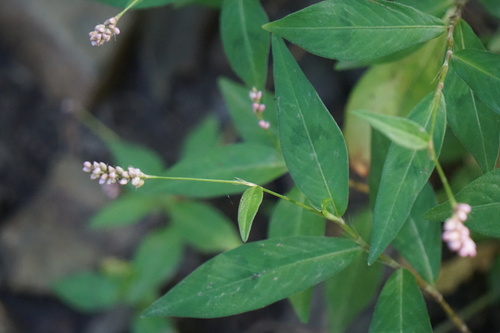
Calligonum comosum
L'Herit
Abal
iNaturalist· cc-by-nc
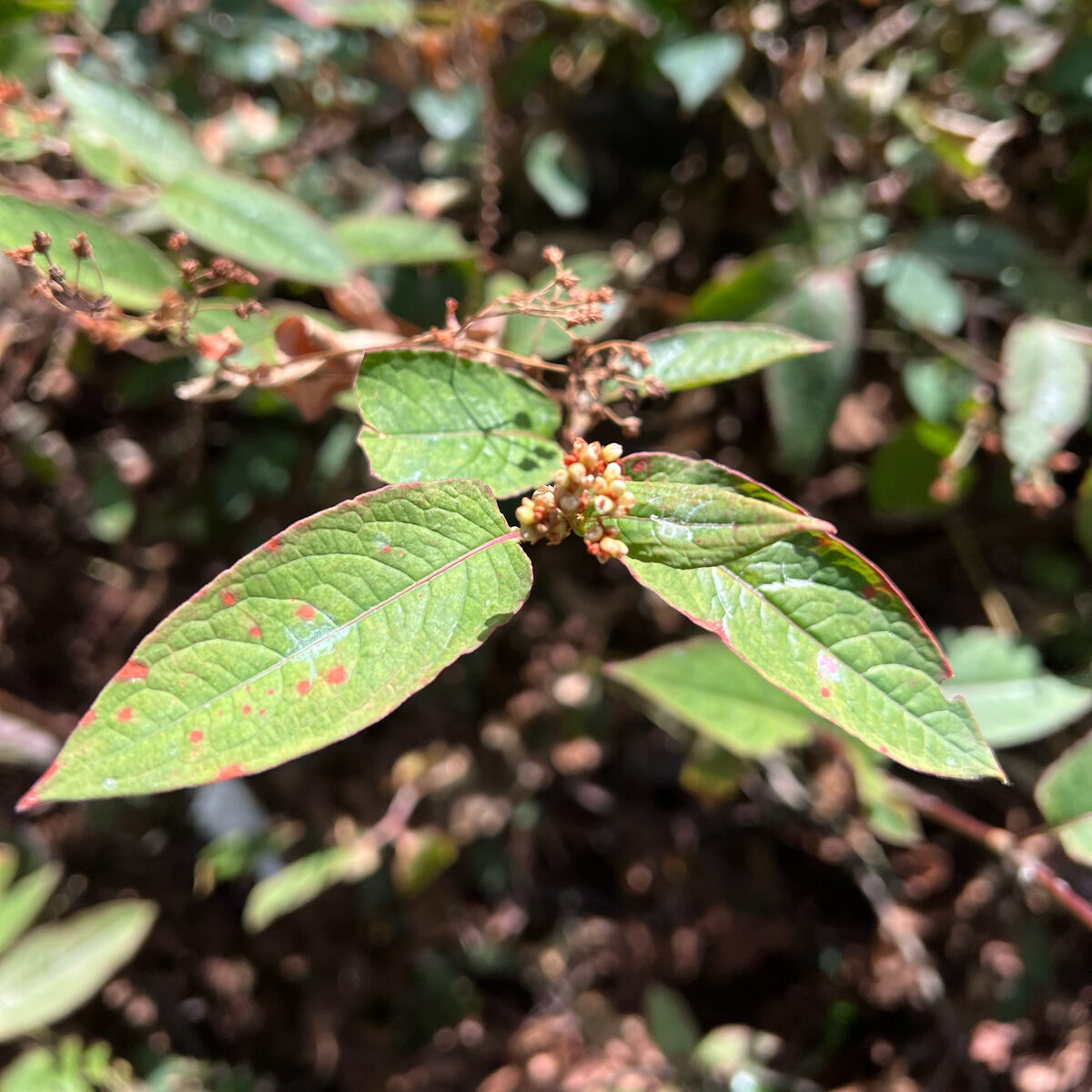
(c) Yael Orgad, some rights reserved (CC BY-NC), uploaded by Yael Orgad
iNaturalist· cc-by-nc
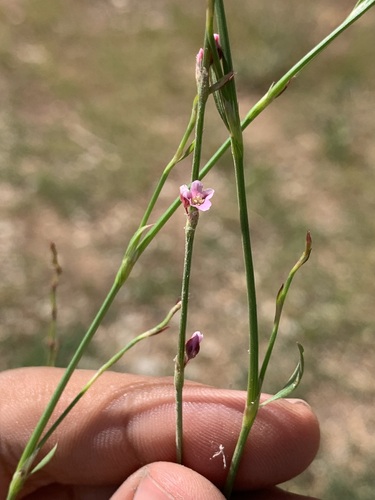
(c) reisegali, some rights reserved (CC BY-NC)
iNaturalist· cc-by-sa
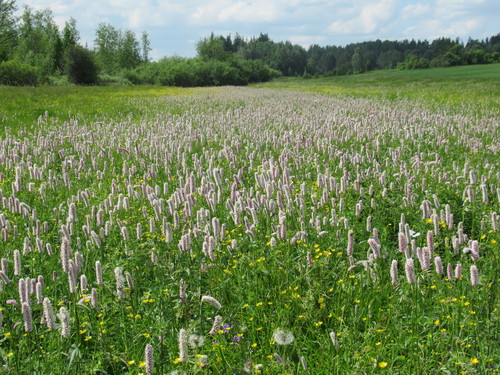
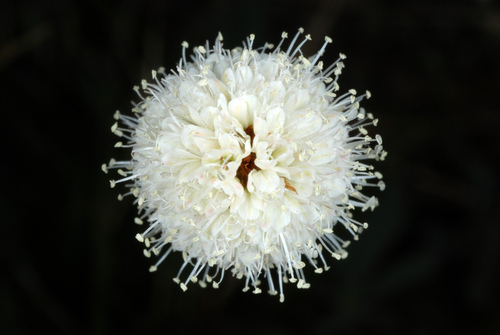
(c) Tony Wills, some rights reserved (CC BY-SA), uploaded by Tony Wills
Summary
Source: WikipediaCalligonum comosum, the fire bush, arta or abal, is a species of flowering plant in the family Polygonaceae. The plant grows to around 1.2 metres (4 feet) tall, with green branches that split off from the main stem like the wisps of a broom. The plant is high in sugar and nitrogen. It is native to the Sahara, Socotra, the Arabian Peninsula, and in the Middle East as far east as Pakistan and the Rajasthan desert in western India. The flowers can be eaten fresh. It is useful as a stabilizer of sand dunes, forage for livestock, smokeless firewood, and an indicator of fresh water.
Description
A shrubby plant. It grows about 1.2 m tall. The branches are stiff and green. Leaves are very small.
This description is brief — help expand it
Edible Uses
The young shoots are eaten fresh or dried and processed into flour. The young flowers are eaten raw. The fruit is also edible.
Traditional Uses
The young shoots are eaten fresh or dried and processed into flour. The young flowers are eaten raw.
This uses section is brief — help expand it
Distribution
It is a Mediterranean climate plant. It grows in shady deserts. It can grow in arid places. It grows in the Sahara. It has high salt tolerance.
Where It Grows
Africa, Arabia, Bahrain, Egypt, India, Kuwait, Libya, Middle East, Mediterranean, Middle East, Morocco, North Africa, Pakistan, Palestine, Qatar, Saudi Arabia, Sinai, United Arab Emirates, UAE,
Notes
There are about 80 Calligonum species.
Synonyms
Also Known As
Arta, Awarach
References (7)
- Flora of Pakistan. www.eFloras.org
- http://www.agricultureinformation.com/forum
- Karim, F. M. & Dakheel, A, J., 2006, Salt-tolerant plants of the United Arab Emirates. 2006. International Center for Biosaline Agriculture, Dubai, UAE. p 141
- Mahklouf, M. H., 2019, Ethnobotanical Study of Edible Wild Plants in Libya. European Journal of Ecology. 5(2): 30-40
- Mandaville, J. P., 2004, Bedouin ethnobotany: Plant concepts and plant use in a desert pastoral world. PhD thesis University of Arizona. p 155
Show all 7 references Hide references
- Nassif, F., & Tanji, A., 2013, Gathered food plants in Morocco: The long forgotten species in Ethnobotanical Research. Life Science Leaflets 3:17-54
- Norton, J., et al, 2009, An Illustrated Checklist of the Flora of Qatar. UNESCO Office in Doha.