Pyracantha crenato-serrata - (Hance.)Rehder.
(Hance.)Rehder.
gbif· cc-by-nc
reinderw
gbif· cc-by-nc
reinderw
gbif· cc-by-nc
reinderw
Description
Pyracantha crenato-serrata is an evergreen Shrub growing to 5 m (16ft 5in). See above for USDA hardiness. It is hardy to UK zone 7. It is in leaf all year, in flower from June to July, and the seeds ripen from September to December. The species is hermaphrodite (has both male and female organs) and is pollinated by Bees. It is noted for attracting wildlife. Suitable for: light (sandy), medium (loamy) and heavy (clay) soils, prefers well-drained soil and can grow in heavy clay soil. Suitable pH: mildly acid, neutral and basic (mildly alkaline) soils. It can grow in semi-shade (light woodland) or no shade. It prefers moist soil. The plant can tolerates strong winds but not maritime exposure. It can tolerate atmospheric pollution.
Edible Uses
Fruit. A famine food, it is only used when all else fails. The fruit is about 5mm in diameter.
Medicinal Uses
Febrifuge PoulticeA decoction of the leaves and/or the fruit is used in the treatment of fevers. The fresh leaves are crushed and applied externally to boils and abscesses.
Known Hazards
Although no specific mention has been seen for this species, it belongs to a genus where most, if not all members of the genus produce hydrogen cyanide, a poison that gives almonds their characteristic flavour. This toxin is found mainly in the leaves and seed and is readily detected by its bitter taste. It is usually present in too small a quantity to do any harm but any very bitter seed or fruit should not be eaten. In small quantities, hydrogen cyanide has been shown to stimulate respiration and improve digestion, it is also claimed to be of benefit in the treatment of cancer. In excess, however, it can cause respiratory failure and even death.
Distribution
E. Asia - N. China.
Where It Grows
Coming Soon
Cultivation
Prefers a good well-drained, moisture retentive loamy soil. Succeeds in any soil that is warm and not very heavy. Another report says that it grows well in heavy clay soils. Succeeds in sun or part shade, though it does not fruit so well in a shady position. Tolerates atmospheric pollution and reasonable exposure. Susceptible to scab and fireblight, especially when grown on acid sandy soils. Intolerant of root disturbance except when young. A good bee plant. Birds are particularly attracted to the fruit of this plant. Closely related to P. atalantioides and P. rogersiana.
Propagation
Seed - best sown as soon as it is ripe in a cold frame. Remove all the fruit flesh since this can inhibit germination. Stored seed requires 3 months cold stratification, sow it as early in the year as possible in a cold frame. When they are large enough to handle, prick the seedlings out into individual pots and grow them on in the cold frame for their first winter. Plant them out into their permanent positions in late spring or early summer, after the last expected frosts. Cuttings of almost mature wood, 5 - 10cm with a heel, mid-August in a cold frame. Pot up in October or the following spring.
Synonyms
More from Rosaceae
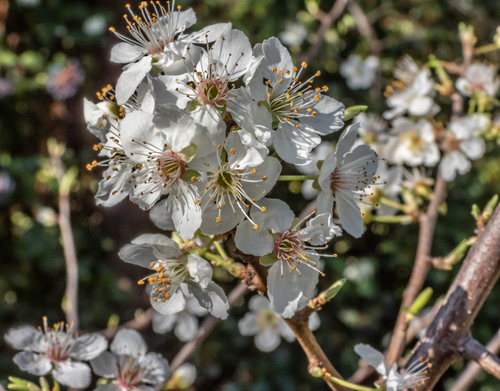
Prunus caspica
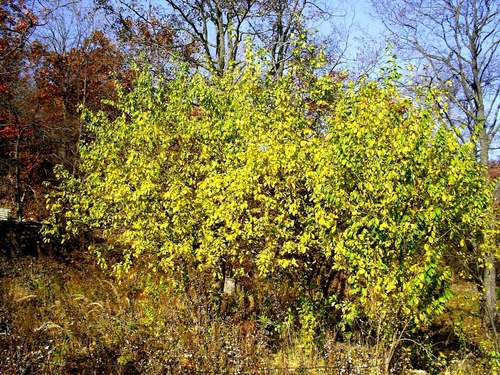
Prunus cerasifera
Myrobalan plum, Cherry plum, Flowering plum
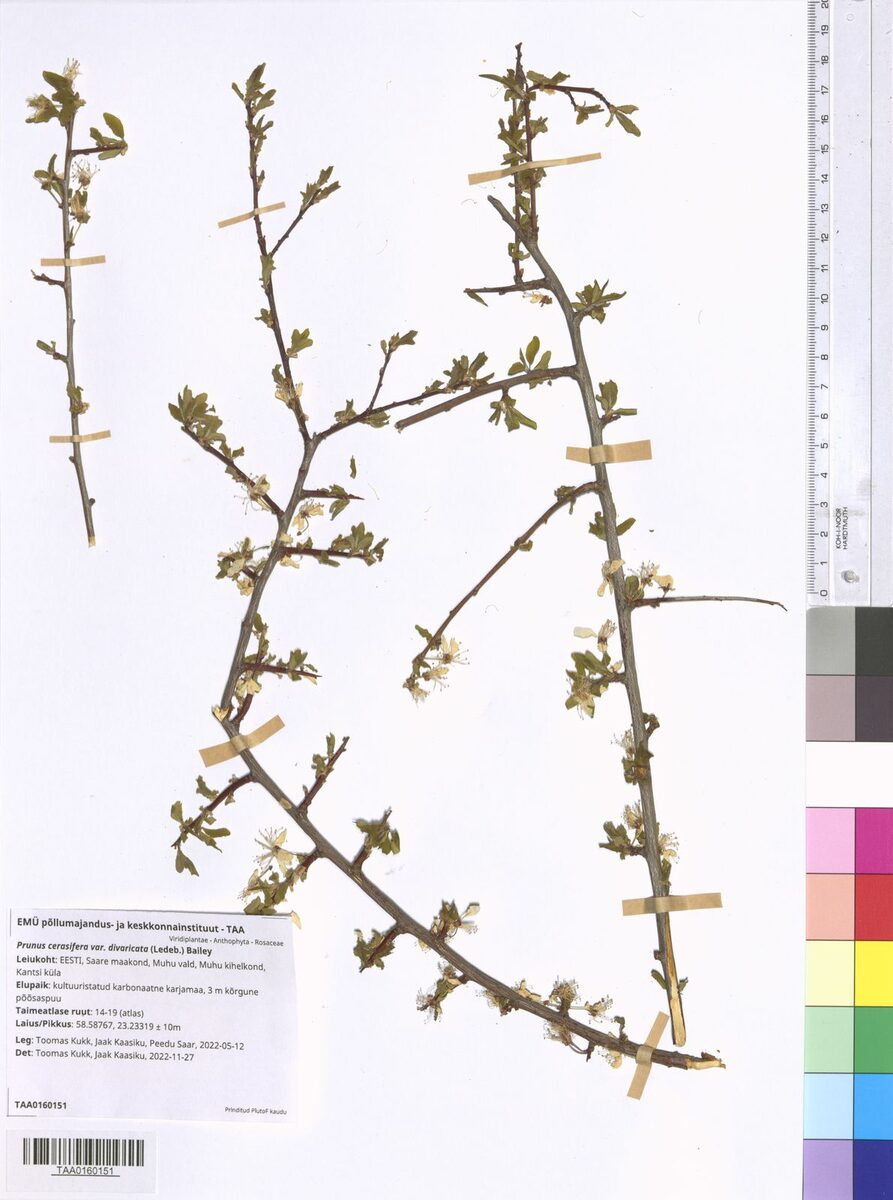
Prunus cerasifera divaricata - (Ledeb.)Schneid.
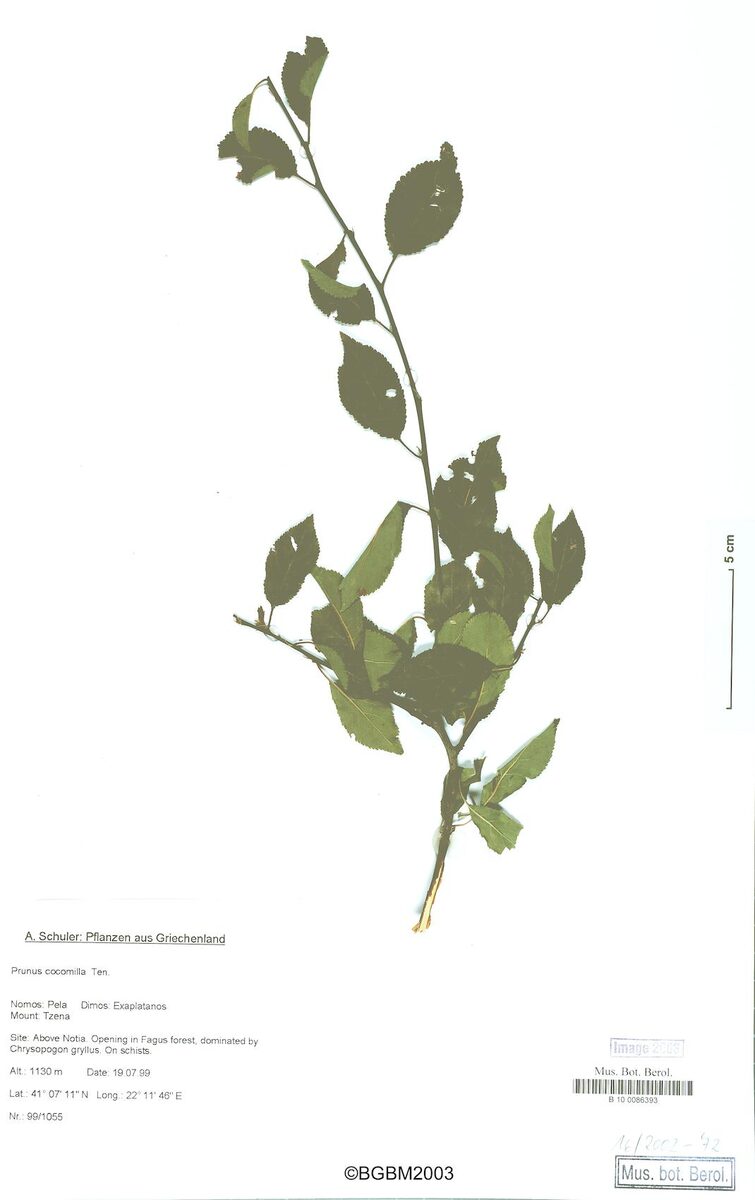
Prunus cerasifera subsp. divaricata
Macedonian plum, Wild cherry plum, Sour plum
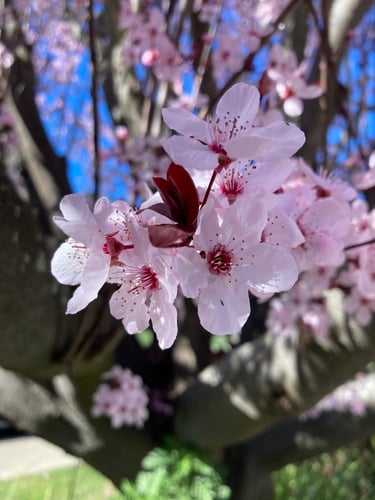
Prunus cerasifera x Prunus salicina
Methley plum
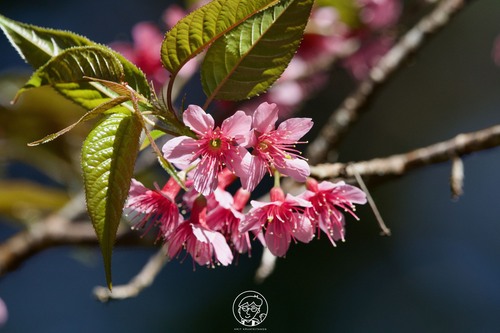
Prunus cerasoides
Himalaya Wild Cherry, Yunnan plum