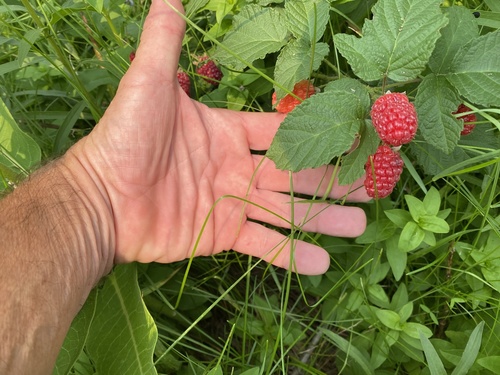
Prunus cerasifera
Ehrh.
Myrobalan plum, Cherry plum, Flowering plum
iNaturalist· cc-by-sa
(c) Pauk, some rights reserved (CC BY-SA)
iNaturalist· cc-by
(c) Maja Dumat, some rights reserved (CC BY)
iNaturalist· cc-by-nc
(c) therealgteper, some rights reserved (CC BY-NC)
Summary
Source: WikipediaPrunus cerasifera is a species of plum known by the common names cherry plum and myrobalan plum. Native to Eurasia and naturalized elsewhere, P. cerasifera is believed to be one of the parents of the cultivated plum.
Description
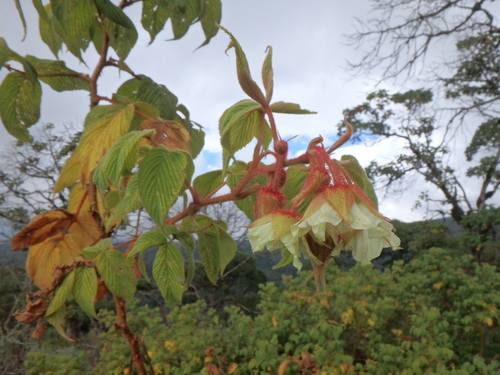
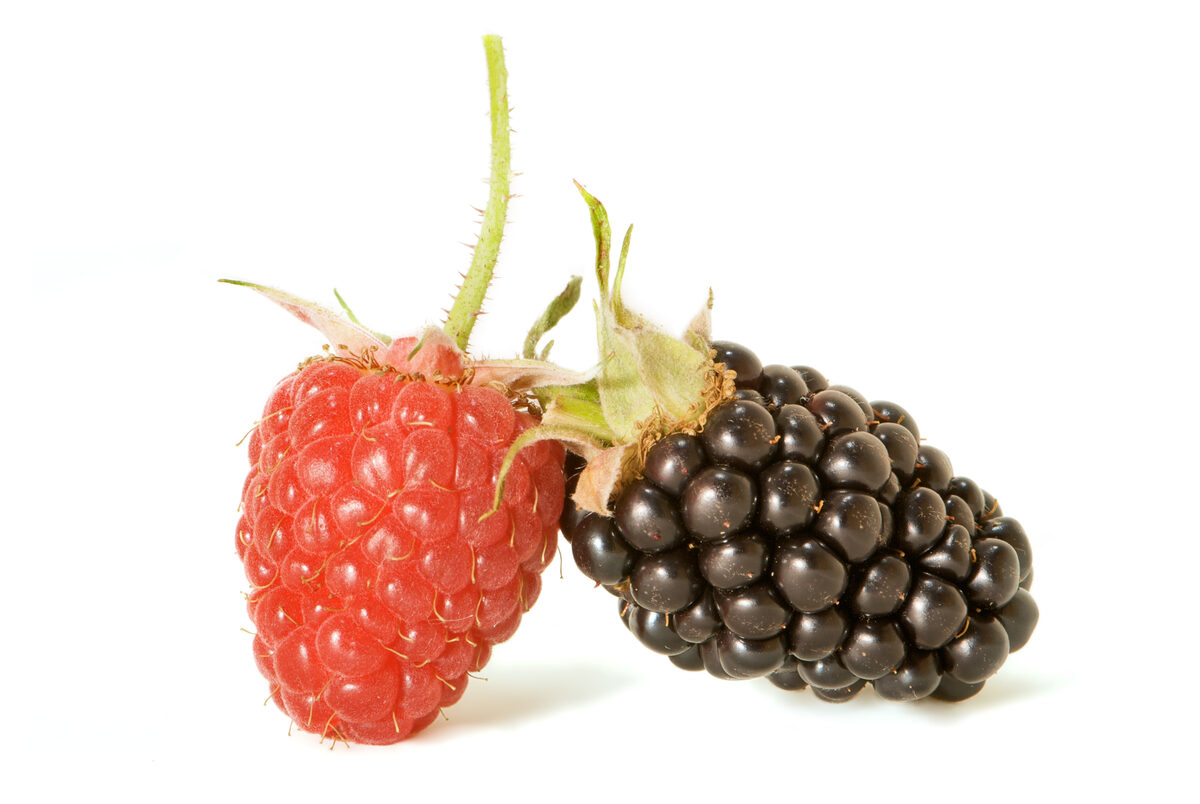
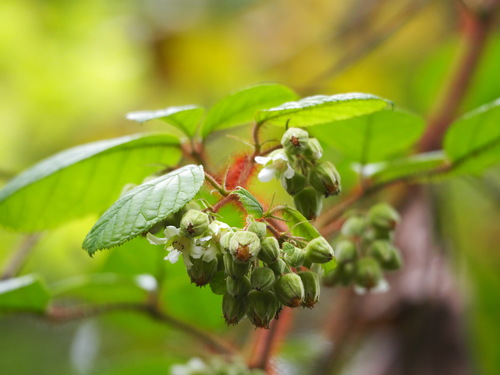
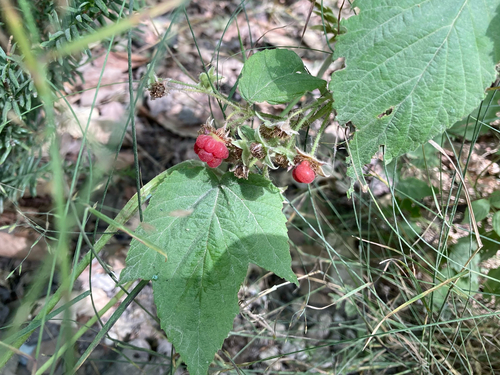
A deciduous tree. It grows to 7.5 m high. The crown is spreading and open. The twigs are thorny. The bark is purple-brown and thinly scaly. It has orange lenticels across it. The leaves are alternate and glossy green. They are oval and 6 cm long by 3 cm wide. There are small regular rounded teeth on the edge of the leaf. The flowers are small and white. They appear before the leaves. They are 2.5 cm across. There are 5 petals and sepals which curve back. The flowers occur singly or in small clusters. The fruit are green but turn red. They are 3 cm across. They are edible. There are several named cultivated varieties.
Edible Uses
The fruit can be eaten raw or used cooked in pies, tarts, jams, and similar preparations. About 30mm in diameter, it resembles a small plum with a thin skin, a somewhat mealy but juicy flesh, and a pleasant sweet flavour. Fruit can remain on the tree until October. Each fruit contains one large seed, which can also be eaten raw or cooked, though it should be avoided if it tastes too bitter.
Traditional Uses
The fruit are eaten raw. They are also used for pies, tarts and jam. They are used for syrup.
This uses section is brief — help expand it
Medicinal Uses
This plant is used in Bach flower remedies, prescribed for states of desperation, fear of losing control of the mind, and dread of committing a frightful act. It is also one of the five ingredients in the Rescue Remedy. Like all members of the genus, it contains amygdalin and prunasin, which break down in water to form hydrocyanic acid (prussic acid or cyanide). In small amounts this exceedingly poisonous compound stimulates respiration, improves digestion, and gives a sense of well-being.
Known Hazards
Although no specific mention has been seen for this species, it belongs to a genus where most, if not all members of the genus produce hydrogen cyanide, a poison that gives almonds their characteristic flavour. This toxin is found mainly in the leaves and seed and is readily detected by its bitter taste. It is usually present in too small a quantity to do any harm but any very bitter seed or fruit should not be eaten. In small quantities, hydrogen cyanide has been shown to stimulate respiration and improve digestion, it is also claimed to be of benefit in the treatment of cancer. In excess, however, it can cause respiratory failure and even death.
Distribution
Temperate. The cv. called Sogdijskaya grows in Kazakhstan it grows in gorges and mountain slopes between 800-2,200 m altitude. It suits hardiness zones 4-10.
Where It Grows
Albania, Algeria, Argentina, Armenia, Asia, Australia, Azerbaijan, Balkans, Belarus, Britain, Bulgaria, Caucasus, Central Asia, China, Ecuador, Europe, France, Georgia, Greece, Himalayas, Hungary, India, Iraq, Ireland, Isle of Man, Italy, Kazakhstan, Kosovo, Kyrgyzstan, Macedonia, Mediterranean, Middle East, New Zealand, North Africa, North America, Pacific, Russia, South America, Tajikistan, Turkmenistan, Turkey, Türkiye, USA, Uzbekistan, Yugoslavia,
Cultivation
Requires a well-drained moisture retentive soil. Succeeds in light shade but fruits better in a sunny position. Thrives in a loamy soil, doing well on limestone. Grows well in heavy clay soils. Prefers some chalk in the soil but apt to become chlorotic if too much is present. A very ornamental plant, it is sometimes cultivated for its edible fruit, unfortunately this is not often borne in large quantities in Britain, but large crops are produced every 4 years or so. There are some named varieties. Included as a part of P. divaricata by some botanists though others include P. divaricata as a sub-species under this species. Most members of this genus are shallow-rooted and will produce suckers if the roots are damaged. Plants in this genus are notably susceptible to honey fungus. A sprouting standard sending up shoots from the base.
Propagation
Seed requires 2–3 months of cold stratification and is best sown in a cold frame as soon as it is ripe. Stored seed should be sown in a cold frame as early in the year as possible, with protection from mice. Germination can be slow, sometimes taking 18 months. Prick seedlings into individual pots when large enough to handle, overwinter in a greenhouse or cold frame, then plant out in late spring or early summer the following year. Cuttings of half-ripe wood with a heel can be taken in July/August in a frame. Softwood cuttings from vigorous plants can be taken in spring to early summer in a frame. Layering can be done in spring. Suckers can be divided during the dormant season and planted directly into permanent positions.
Other Uses
This species makes a reasonable windbreak hedge, though it cannot tolerate excessive exposure. It is frequently used as a rootstock for cultivated plums, imparting a semi-dwarfing habit. Green dye can be obtained from the leaves, and a dark grey to green dye from the fruit.
Other Information
It is a cultivated food plant.
Notes
There are about 200 Prunus species.
Synonyms
Also Known As
Alû balû, Alycha, Dzhanka, Fosoka szilva, Helûzhe, Kabutak, Kaisi, Mirobolano, Prsliva sliva, Sliva djanki, Sogdijskaya plum
References (46)
- Ambasta, S.P. (Ed.), 2000, The Useful Plants of India. CSIR India. p 494
- Arora, R. K., 2014, Diversity in Underutilized Plant Species - An Asia-Pacific Perspective. Bioversity International. p 83
- Beitr. Naturk. 4:17. 1789 (Gartenkalender 4:189-204. 1784)
- Bodkin, F., 1991, Encyclopedia Botanica. Cornstalk publishing, p 840
- Brickell, C. (Ed.), 1999, The Royal Horticultural Society A-Z Encyclopedia of Garden Plants. Convent Garden Books. p 836
Show all 46 references Hide references
- Coombes, A.J., 2000, Trees. Dorling Kindersley Handbooks. p 259
- Cundall, P., (ed.), 2004, Gardening Australia: flora: the gardener's bible. ABC Books. p 1092
- Dashorst, G.R.M., and Jessop, J.P., 1998, Plants of the Adelaide Plains & Hills. Botanic Gardens of Adelaide and State Herbarium. p 74
- Denes, A., et al, 2012, Wild plants used for food by Hungarian ethnic groups living in the Carpathian Basin. Acta Societatis Botanicorum Poloniae 81 (4): 381-396
- Dzhangaliev, A. D., et al, 2003, The Wild Fruit and Nut Plants of Kazakhstan, Horticultural Reviews, Vol. 29. pp 305-371 (As Prunus sogdiana)
- Facciola, S., 1998, Cornucopia 2: a Source Book of Edible Plants. Kampong Publications, p 201
- Flora of China @ efloras.org Volume 9
- Flowerdew, B., 2000, Complete Fruit Book. Kyle Cathie Ltd., London. p 38
- Glowinski, L., 1999, The Complete Book of Fruit Growing in Australia. Lothian. p 58
- Hancer, C. K., et al, 2020, Traditional Knowledge of Wild Edible Plants of Biga (Çanakkale), Turkey. Acta Societatis Botanicorum Poloniae / 2020 / Volume 89 / Issue 1 / Article 8914
- Harris, E & J., 1983, Field Guide to the Trees and Shrubs of Britain. Reader's Digest. p 64
- Hedrick, U.P., 1919, (Ed.), Sturtevant's edible plants of the world. p 522
- Irving, M., 2009, The Forager Handbook, A Guide to the Edible Plants of Britain. Ebury Press p 271
- Jackes, D. A., 2007, Edible Forest Gardens
- John, L., & Stevenson, V., 1979, The Complete Book of Fruit. Angus & Robertson p 200
- Kermath, B. M., et al, 2014, Food Plants in the Americas: A survey of the domesticated, cultivated and wild plants used for Human food in North, Central and South America and the Caribbean. On line draft. p 711
- Kiple, K.F. & Ornelas, K.C., (eds), 2000, The Cambridge World History of Food. CUP p 1751
- Kremer, B.P., 1995, Shrubs in the Wild and in Gardens. Barrons. p 148
- Lazarides, M. & Hince, B., 1993, Handbook of Economic Plants of Australia, CSIRO. p 199
- Lord, E.E., & Willis, J.H., 1999, Shrubs and Trees for Australian gardens. Lothian. p 66
- Mabey, R., 1973, Food for Free. A Guide to the edible wild plants of Britain, Collins. p 170
- Maghradze, D. et al, 2012, Minor and Underutilized Fruits in Georgia and Their Wild Relatives. In Acta Horticulturae Number 948 p 41-47
- Miskoska-Milevska, E. et al, 2020, Traditional uses of wild edible plants in the Republic of North Macedonia. PHYTOLOGIA BALCANICA 26(1): 155–162, Sofia, 2020 p 159
- Nedelcheva A., 2013, An ethnobotanical study of wild edible plants in Bulgaria. EurAsian Journal of BioSciences 7, 77-94
- Paczkowska, G . & Chapman, A.R., 2000, The Western Australian Flora. A Descriptive Calatogue. Western Australian Herbarium. p 512
- Pieroni, A., et al, 2017, The spring has arrived: traditional wild vegetables gathered by Yarsanis (Ahl-e Haqq) and Sunni Muslims in Western Hawraman, SE Kurdistan (Iraq). Acta Soc Bot Pol 86(1):3519
- Pieroni, A. & Soukand, R., 2017, The disappearing wild food and medicinal plant knowledge in a few mountain villages of North-Eastern Albania. Journal of Applied Botany and Food Quality 90, 58 - 67
- Plants for a Future database, The Field, Penpol, Lostwithiel, Cornwall, PL22 0NG, UK. http://www.scs.leeds.ac.uk/pfaf/ (Also as Prunus sogdiana)
- Polunin, O., & Stainton, A., 2006, Flowers of the Himalaya, Oxford India Paperbacks. p 115
- Ref. Nauco-Issl. Rabot, Otd. Biol. Nauk 1945:5, in obs. 1947 (As Prunus sogdiana)
- Rexhepi, B., et al, 2018, Ethnobotanical Study of Wild Edible Plants in Pelagonia Region (Southwestern Macedonia) International Journal of Advances in Science Engineering and Technology, Vol. 6 (1) p 57
- Sansanelli, S., et al, 2014, Wild food plants traditionall consumed in the area of Bologna (Emilia Romagna region, Italy). Journal of Ethnobiology and Ethnomedicine 10:69
- Small, E., 2009, Top 100 Food Plants. The world's most important culinary crops. NRC Research Press. p 435
- Soukand, R., et al, 2021, The trauma of no-choice: Wild food ethnobotany in Yaghnobi and Tajik villages, Varzob Valley, Tajikistan. Genetic Resources and Crop Evolution · December 2021
- USDA, ARS, National Genetic Resources Program. Germplasm Resources Information Network - (GRIN). [Online Database] National Germplasm Resources Laboratory, Beltsville, Maryland. Available: www.ars-grin.gov/cgi-bin/npgs/html/econ.pl (10 April 2000)
- Valder, P., 1999, The Garden Plants of China. Florilegium. p 103
- van Wyk, B., 2005, Food Plants of the World. An illustrated guide. Timber press. p 308
- Watkins, R., 1979, Cherry, plum, peach, apricot and almond, in Simmonds, N.W., (ed), Crop Plant Evolution. Longmans. London. p 242
- Wiersema, J. H. & Leon, B., 2013, World Economic Plants. A Standard Reference CRC Press. 2nd Ed. p 560
- World Checklist of Useful Plant Species 2020. Royal Botanic Gardens, Kew
- Zeven, A. C. & de West, J. M. J., 1982, Dictionary of cultivated plants and their regions of diversity. Wageningen. p 85, 101