Pulmonaria saccharata
Mill.
Jerusalem Sage, Bethlehem lungwort, Lungwort
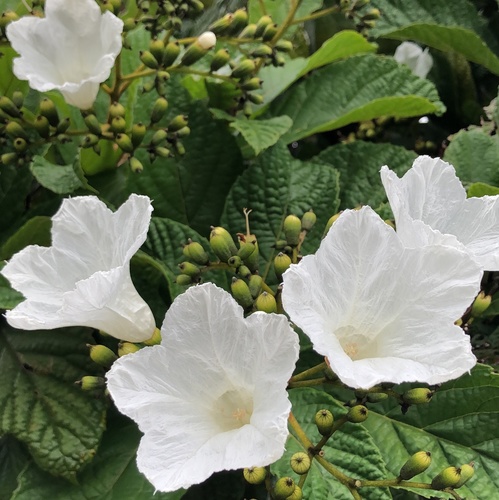
iNaturalist· cc-by-nc
(c) Mike Leveille, some rights reserved (CC BY-NC), uploaded by Mike Leveille
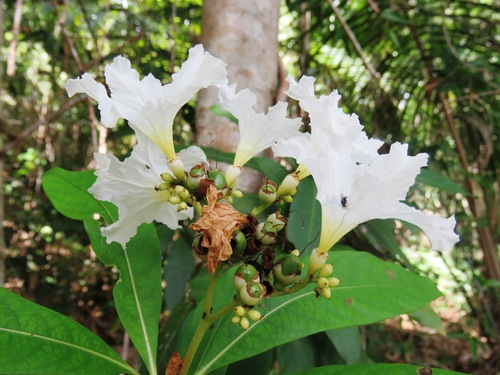
iNaturalist· cc-by-nc
(c) Stefano Doglio, some rights reserved (CC BY-NC), uploaded by Stefano Doglio
iNaturalist· cc-by-nc-nd
(c) jacki-dee, some rights reserved (CC BY-NC-ND)
Description
Pulmonaria saccharata is an evergreen Perennial growing to 0.3 m (1ft) by 0.6 m (2ft in) at a slow rate. See above for USDA hardiness. It is hardy to UK zone 3 and is not frost tender. It is in leaf all year, in flower in May. The species is hermaphrodite (has both male and female organs) and is pollinated by Insects. Suitable for: light (sandy), medium (loamy) and heavy (clay) soils. Suitable pH: mildly acid, neutral and basic (mildly alkaline) soils. It can grow in full shade (deep woodland) semi-shade (light woodland) or no shade. It prefers moist soil and can tolerate drought.
Edible Uses
Condiment. The plant is said to be used as a spice. No more details are given.
Distribution
Central and southern Europe.
Where It Grows
Coming Soon
Cultivation
Grows well in any moderately good soil including heavy clay soils. Prefers full to part shade in a moist humus rich soil. Succeeds in the sunless shade of buildings. Dislikes dry soils. Plants growing in shady positions tolerate drought if the soil is rich in humus. The leaves tend to wilt in hot weather when the plant is grown in full sun. Hardy to about -20°c. A very ornamental plant, it is semi-evergreen, forming small over-wintering rosettes. Members of this genus are rarely if ever troubled by browsing deer or rabbits. A valuable early nectar source for bees. Plants seen growing in dappled shade at Hilliers Arboretum in April 1999 were self-sowing quite freely. Hybridizes freely with other members of this genus. There are many named varieties, selected for their ornamental value.
Propagation
Seed - sow spring in a greenhouse. When they are large enough to handle, prick the seedlings out into individual pots and grow them on in the greenhouse for their first winter. Plant them out into their permanent positions in late spring or early summer, after the last expected frosts. Division in spring or autumn or after flowering in early summer if the soil is not too dry. Very easy, larger divisions can be planted out direct into their permanent positions. We have found that it is better to pot up the smaller divisions and grow them on in light shade in a cold frame until they are well established before planting them out in late spring or early summer.
Other Uses
A good ground cover plant for a shady position. Plants should be spaced about 60cm apart each way.