Borago officinalis
L.
Borage
iNaturalist· cc-by-nc
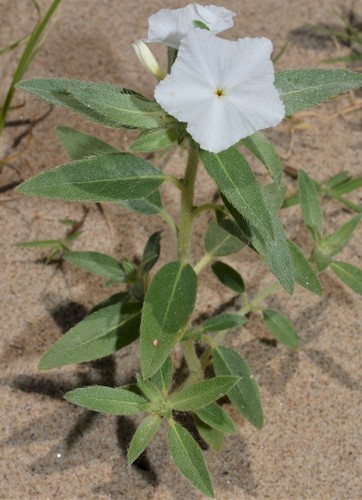
(c) Sergio Ibarra, some rights reserved (CC BY-NC), uploaded by Sergio Ibarra
iNaturalist· cc-by-nc
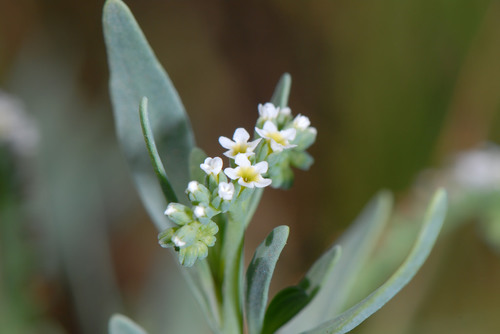
(c) Paul Werner Süss, some rights reserved (CC BY-NC), uploaded by Paul Werner Süss
iNaturalist· cc-by
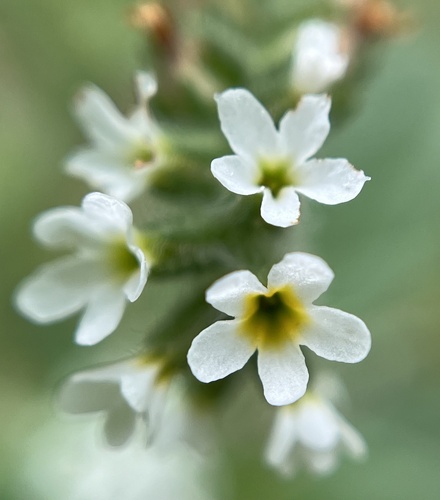
(c) Eleftherios Katsillis, some rights reserved (CC BY), uploaded by Eleftherios Katsillis
Summary
Source: WikipediaAnnual herb growing to 0.6 meters tall and 0.3 meters wide at medium rate. Hardy to UK zone 7, not frost-tender. Flowers June to October; seeds ripen July to October. Hermaphroditic and bee-pollinated; attracts wildlife. Grows in light sandy, medium loamy, and heavy clay soils with good drainage and poor soil tolerance. Adapts to mildly acid, neutral, and very alkaline pH. Thrives in semi-shade or full sun and tolerates drought.
Description
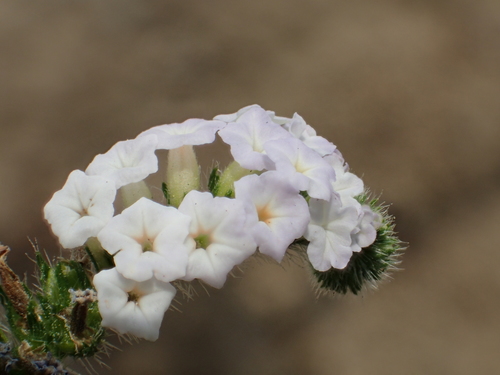
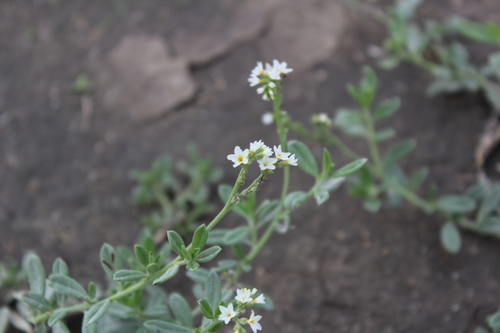
An annual herb. It is a sprawling plant. It can be 45-75 cm high and spread 45 cm wide. The stout stems and leaves are covered with stiff hairs. The lower leaves are on leaf stalks that have winged extensions near their base. The upper leaves are smaller and have blades without stalks. The flowers are blue or pink and star shaped. They have black centres. The flowers are on stalks 1.5-4 cm long. They are in clusters on the ends of branches. The nutlets are brownish-black. They are wrinkled and have a base which curves inward.
Edible Uses
Edible Parts: Flowers Leaves Oil Edible Uses: Colouring Oil Tea Leaves - raw or cooked. They can be used as a pot-herb or be added to salads. They are also added whole as a flavouring to various drinks such as Pimms and wine-based drinks. The leaves are rich in potassium and calcium, they have a salty cucumber flavour. Very hairy, the whole leaves have an unpleasant feeling in the mouth and so they are best chopped up finely and added to other leaves when eaten in a salad. The leaves should always be used fresh, because they lose their flavour and colour if dried. Flowers - raw. They are used as a decorative garnish on salads and summer fruit drinks. The flowers are very nice, both to look at and to taste with a sweet slightly cucumber-like flavour. A refreshing tea is made from the leaves and/or the flowers. The dried stems are used for flavouring beverages. The seed yields 30% oil, 20% of which is gamma-linolenic acid. Total yields are 0.35 - 0.65 tonnes per hectare. Unfortunately, the seed ripens intermittently over a period of time and falls from the plant when it is ripe, this makes harvesting the seeds in quantity very difficult. An edible blue dye can be obtained from the flowers. It is used to colour vinegar.
Traditional Uses
The flowers and leaves are used to flavour liqueurs and summer drinks. The flowers are also sucked. The young leaves can be used in salads. They have a cucumber like flavour. They are also fried in batter. They are also stuffed like grape leaves. The older leaves are boiled and used in soups. They are also added to omelettes. They are used in pickles. CAUTION: It may not be wise to eat large amounts over a long time due to Pyrrolizidine alkaloids.
Medicinal Uses
Antirheumatic Demulcent Depurative Diaphoretic Diuretic Emollient Expectorant Febrifuge Hypotensive Lenitive Poultice Sedative Skin Women's complaints Borage is a fairly common domestic herbal remedy that has been used since ancient times. It has a particularly good reputation for its beneficial affect on the mind, being used to dispel melancholy and induce euphoria. It is a soothing saline, diuretic herb that soothes damaged or irritated tissues. The leaves, and to a lesser extent the flowers, are demulcent, diaphoretic, depurative, mildly diuretic, emollient, expectorant, febrifuge, lenitive and mildly sedative. An infusion is taken internally in the treatment of a range of ailments including fevers, chest problems and kidney problems, though it should not be prescribed to people with liver problems. Externally it is used as a poultice for inflammatory swellings. The leaves are harvested in late spring and the summer as the plant comes into flower. They can be used fresh or dried but should not be stored for more than one year because they soon lose their medicinal properties. The seeds are a rich source of gamma-linolenic acid, this oil helps to regulate the hormonal systems and lowers blood pressure. It is used both internally and externally, helping to relieve skin complaints and pre-menstrual tension. Used for the treatment of phlebitis (inflammation of the veins) .
Known Hazards
In addition to the liver-toxic pyrrolizidine alkaloids found in the leaves and seed oil, the German Federal Institute for Risk Assessment has advised that honey from borage contains pyrrolizidine alkaloids (PAs), transferred to the honey through pollen collected from the flowers, and recommends that commercial honey production select for raw honey with limited PA content to prevent contamination.
Distribution
They can grow in full sun or light shade. They do best in a fairly rich, moist, well drained soil. In the tropics it can be grown in mountain regions. In Hobart Botanical gardens. It suits hardiness zones 5-10.
Where It Grows
Africa, Andorra, Argentina, Asia, Australia, Balkans, Bosnia, Brazil, Britain, Canada, Caribbean, Chile, China, Condo DR, Croatia, Cyprus, Czech Republic, East Africa, Ecuador, Europe, France, Germany, Greece, India, Indonesia, Iran, Italy, Latvia, Lebanon, Libya, Lithuania, Macedonia, Mediterranean, Middle East, Moldova, Montenegro, Morocco, New Zealand, North Africa, North America, Norway, Pacific, Philippines, Portugal, Scandinavia, SE Asia, Serbia, Sicily, Slovenia, South Africa, Southern Africa, South America, Spain, Switzerland, Syria, Tasmania, Tunisia, Turkey, Türkiye, Uruguay, USA, Zimbabwe,
Cultivation
A very easily grown plant, succeeding in ordinary garden soil, preferring a dry soil and a sunny position. It grows particularly well in loose, stony soils with some chalk and sand. Plants are tolerant of poor dry soils, though much bigger specimens are produced when the plants are growing in better conditions. Tolerates a pH in the range 4.8 to 8.3. Borage is often grown as a culinary plant in the herb garden. Although an annual, it usually maintains itself by self-sowing, sometimes in quite a prolific manner, as long as the soil is disturbed by hoeing etc. Plants often develop mildew when growing in dry conditions or towards the end of the growing season. Flowers are a deeper blue when grown in poorer soils. The flowers are rich in a sweet nectar and are very attractive to bees. The growing plant is a good companion for strawberries, tomatoes, courgettes and most other plants. It is said to deter Japanese beetle and tomato hornworms. A self-seeding annual.
Propagation
Seed - sow April/May in situ. The plants quickly develop a stout tap-root and do not transplant successfully. The seed can also be sown in situ in the autumn, this will produce larger plants and earlier flowering. The plant usually self-sows prolifically.
Other Uses
Dye Oil Repellent The growing plant is said to repel insects. A blue dye is obtained from the flowers. This turns pink on contact with acids. Special Uses Attracts Wildlife Dynamic accumulator Food Forest
Production
It grows quickly. The leaves are normally used fresh. They can be used dried but must be dried quickly in a dry well ventilated place.
Other Information
It is a commercially cultivated vegetable.
Notes
There are 3 Borago species.
Dangerous Lookalikes
This plant can be confused with the following toxic species. Always verify identification carefully before consuming any wild plant.
Foxglove
Digitalis purpurea
Jörg Hempel
Borage
Borago officinalis
(c) Sergio Ibarra, some rights reserved (CC BY-NC), uploaded by Sergio Ibarra
Foxglove: Tubular pink/purple spotted flowers on tall spike, soft velvety leaves.
Borage: Star-shaped blue flowers, coarse bristly hairs, cucumber-like taste/smell.
Nutrition
| Part | Moisture | kJ | kcal | Protein | Vit A | Vit C | Iron | Zinc |
|---|---|---|---|---|---|---|---|---|
| Leaves - cooked | 92 | 105 | 25 | 2.1 | 438 | 32.5 | 3.6 | 0.2 |
| Leaves - raw | 93 | 88 | 21 | 1.8 | 420 | 35 | 3.3 | 0.2 |
| Flowers | — | — | — | — | — | — | — | — |
Synonyms
Also Known As
Agurkle, Bburraina, Bee bread, Boragine, Boretse, Boratsino, Borraga, Borrainas, Borraja, Borrajas, Bou cassal, Bou chenaf, Boukhrich, Bou krich, Bouroi, Bourrache, Bugloss, Burraccelle, Burraccia, Buragine, Cool-tankard, Foudelggem, Gabbuina, Gurkmetra, Harcha, Iles ouaral, Ligabuinna, Star Flower, Talewort, Tament, Tizizoua, Vurraine, Vurrania, Zdravilna boraga
References (83)
- Abbet, C., et al, 2014, Ethnobotanical survey on wild alpine food plants in Lower and Central Valais (Switzerland). Journal of Ethnopharmacology 151 (2014) 624–634
- Ambasta, S.P. (Ed.), 2000, The Useful Plants of India. CSIR India. p 77
- Ben Ismail, H., 2013, Edible Wild Vegetables Used in North West of Tunisia. PARIPEX - Indian Journal of Reearch 2(9) :219-221
- Benvenuti, S. & Mazzoncini, M., 2021, The Biodiversity of Edible Flowers: Discovering New Tastes and New Health Benefits. Frontiers in Plant Science Article 569499.
- Bianchini, F., Corbetta, F., and Pistoia, M., 1975, Fruits of the Earth. Cassell. p 58
Show all 83 references Hide references
- Bircher, A. G. & Bircher, W. H., 2000, Encyclopedia of Fruit Trees and Edible Flowering Plants in Egypt and the Subtropics. AUC Press. p 61
- Biscotti, N. & Pieroni, A., 2015, The hidden Mediterranean diet: wild vegetables traditionally gathered and consumed in the Gargano area, Apulia, SE Italy. Acta Societatis Botanicorum Poloniae 84 (3): 327-338
- Biscotti, N. et al, 2018, The traditional food use of wild vegetables in Apulia (Italy) in the light of Italian ethnobotanical literature. Italian Botanist 5:1-24
- Blamey, M and Grey-Wilson, C., 2005, Wild flowers of the Mediterranean. A & C Black London. p 191
- Blanco-Salas, J., et al, 2019, Wild Plants Potentially Used in Human Food in the Protected Area “Sierra Grande de Hornachos” of Extremadura (Spain). Sustainability 2019, 11, 456
- Bodkin, F., 1991, Encyclopedia Botanica. Cornstalk publishing, p 154
- Bonet, M. A. & Valles, J., 2002, Use of non-crop food vascular plants in Montseny biosphere reserve (Catalonia, Iberian Peninsula). International Journal of Food Sciences and Nutrition (2002) 53, 225–248
- BOUQUET,
- Bremness, L., 1994, Herbs. Collins Eyewitness Handbooks. Harper Collins. p 233
- Brickell, C. (Ed.), 1999, The Royal Horticultural Society A-Z Encyclopedia of Garden Plants. Convent Garden Books. p 183
- Brown, D., 2002, The Royal Horticultural Society encyclopedia of Herbs and their uses. DK Books. p 145
- Burnie, G & Fenton-Smith, J., 1999, A Grower's Guide to Herbs. Murdoch Books. p 17
- Burnie, G. (Ed.), 2003, Annuals and Bulbs. The Gardener's Handbooks. Fog City Press. p 126
- Cheifetz, A., (ed), 1999, 500 popular vegetables, herbs, fruits and nuts for Australian Gardeners. Random House p 118
- Cordero, S. E., Abello, L. A., & Galvez, F. L., 2017, Plantas silvestres comestibles y medicinales de Chile y otras partes del mundo. CORMA p 150
- Cundall, P., (ed.), 2004, Gardening Australia: flora: the gardener's bible. ABC Books. p 242
- Curtis, W.M., 1993, The Student's Flora of Tasmania. Part 3 St David's Park Publishing, Tasmania, p 490
- Della, A., et al, 2006, An ethnobotanical survey of wild edible plants of Paphos and Larnaca countryside of Cyprus. J. Ethnobiol. Ethnomed. 2:34
- Ertug, F, Yenen Bitkiler. Resimli Türkiye Florası -I- Flora of Turkey - Ethnobotany supplement
- Esperanca, M. J., 1988. Surviving in the wild. A glance at the wild plants and their uses. Vol. 1. p 134
- Facciola, S., 1998, Cornucopia 2: a Source Book of Edible Plants. Kampong Publications, p 51
- Geraci, A., et al, 2018, The wild taxa utilized as vegetables in Sicily (Italy): a traditional component of the Mediterranean diet. Journal of Ethnobiology and Ethnomedicine (2018) 14:14
- Girard, N. J., 2020, Sustainable Foraging of Wild Edible Plants in Norway. A Biocultural Approach. M. Sc. thesis Norwegian University. p 129
- Gonzalez, J. A., et al, 2011, The consumption of wild and semi-domesticated edible plants in the Arribes del Duero (Salamanca-Zamora, Spain): an analysis of traditional knowledge. Genetic. Resour Crop Evolution 58:991-1006
- Hadfield, J., 2001, The A-Z of Vegetable Gardening in South Africa. Struik p 134
- Hedrick, U.P., 1919, (Ed.), Sturtevant's edible plants of the world. p 109
- Hermandez Bermejo, J.E., and Leon, J. (Eds.), 1994, Neglected Crops. 1492 from a different perspective. FAO Plant Production and Protection Series No 26. FAO, Rome. p 314
- Hussey, B.M.J., Keighery, G.J., Cousens, R.D., Dodd, J., Lloyd, S.G., 1997, Western Weeds. A guide to the weeds of Western Australia. Plant Protection Society of Western Australia. p 112
- Irving, M., 2009, The Forager Handbook, A Guide to the Edible Plants of Britain. Ebury Press p 66
- Hadjichambis, A. C., et al, 2007, Wild and semi-domesticated food plant consumption in seven circum-Mediterranean areas. International Journal of Food Sciences and Nutrition. 2007, 1-32.
- Jardin, C., 1970, List of Foods Used In Africa, FAO Nutrition Information Document Series No 2.p 60
- Karhagomba, I. B., et al, 2013, The cultivation of wild food and medicinal plants for improving community livelihood: The case of the Buhozi site, DR Congo. Nutrition Research and Practice (Nutr Res Pract) 2013;7(6):510-518
- Kays, S. J., and Dias, J. C. S., 1995, Common Names of Commercially Cultivated Vegetables of the World in 15 languages. Economic Botany, Vol. 49, No. 2, pp. 115-152
- Kiple, K.F. & Ornelas, K.C., (eds), 2000, The Cambridge World History of Food. CUP p 432, 1736
- Kybal, J., 1980, Herbs and Spices, A Hamlyn Colour Guide, Hamlyn Sydney p 56
- Lamp, C & Collet F., 1989, Field Guide to Weeds in Australia. Inkata Press. p 37
- Lazarides, M. & Hince, B., 1993, Handbook of Economic Plants of Australia, CSIRO. p 34
- Licata, M., et al, 2016, A survey of wild plant species for food use in Sicily (Italy) – results of a 3-year study in four Regional Parks. Journal of Ethnobiology and Ethnomedicine 12:12
- Luczaj et al, 2013, Wild vegetable mixes sold in the markets of Dalmatia (southern Croatia). Journal of Ethnobiology and Ethnomedicine. 8:2
- Mahklouf, M. H., 2019, Ethnobotanical Study of Edible Wild Plants in Libya. European Journal of Ecology. 5(2): 30-40
- Malezas Comestibles del Cono Sur, INTA, 2009, Buernos Aires
- Martin, F.W. & Ruberte, R.M., 1979, Edible Leaves of the Tropics. Antillian College Press, Mayaguez, Puerto Rico. p 179
- Mattalia, G., et al, 2012, Traditional uses of wild food and medicinal plants among Brigasc, Kye ́, and Provenc ̧al communities on the Western Italian Alps. Genet Resour Crop Evol. Springer
- Michael, P., 2007, Edible Wild Plants and Herbs. Grub Street. London. p 34
- Morley, B. & Everard, B., 1970, Wild Flowers of the World. Ebury press. Plate 37
- Motti, R. et al, 2009, Traditional Plant Use in the Phlegraean Fields Regional Park (Campania, Southern Italy). Human Ecology 37:775-782
- Nassif, F., & Tanji, A., 2013, Gathered food plants in Morocco: The long forgotten species in Ethnobotanical Research. Life Science Leaflets 3:17-54
- Nebel, S., Pieroni, A. & Heinrich, M., 2006, Ta cho`rta: Wild edible greens used in the Graecanic area in Calabria, Southern Italy. Appetite 47 (2006) 333–342
- Paczkowska, G. & Chapman, A.R., 2000, The Western Australian Flora. A Descriptive Catalogue. Western Australian Herbarium. p 181
- Pardo-de-Santayana, M., et al, 2007, Traditional knowledge of wild edible plants used in the northwest of the Iberian Peninsula (Spain and Portugal): a comparative study. Journal of Ethnobiology and Ethnomedicine 2007, 3:27
- Pasta, S., et al, 2020, An Updated Checklist of the Sicilian Native Edible Plants: Preserving the Traditional Ecological Knowledge of Century-Old Agro-Pastoral Landscapes. Frontiers in Plant Science. Volume 11|Article 388
- Pieroni, A., 1999, Gathered wild food plants in the Upper Valley of the Serchio River (Garfagnana), Central Italy. Economic Botany 53(3) pp 327-341
- Pieroni, A., 2001, Evaluation of the Cultural Significance of Wild Food Botanicals traditionally Consumed in Northwestern Tuscany, Italy, Journal of Ethnobiology 21(1):89-104
- Pieroni, A., et al, 2005, Food for two seasons: Culinary uses of non-cultivated local vegetables and mushrooms in a south Italian village. International Journal of Food Sciences and Nutrition, 56(4): 245-272
- Plants for a Future database, The Field, Penpol, Lostwithiel, Cornwall, PL22 0NG, UK. http://www.scs.leeds.ac.uk/pfaf/
- Prakofjewa, J., et al, 2023, Boundaries Are Blurred: Wild Food Plant Knowledge Circulation across the Polish-Lithuanian-Belarusian Borderland. Biology 2023, 12, 571.
- PROSEA handbook Volume 13 Spices. p 248
- Pruse, B., et al, 2021, Active Wild Food Practices among Culturally Diverse Groups in the 21st Century across Latgale, Latvia. Biology 2021, 10, 551.
- Rigat, M et al, 2009, Ethnobotany of Food Plants in the High River Ter Valley (Pyrenees, catalonia, Iberian Peninsula): Non-Crop Food Vascular Plants and Crop Food Plants with medicinal Properties. Ecology of Food and Nutrition, 48:303-327
- Rivera, C., et al, 2005, The Ethnobotanical Study of Local Mediterranean Food Plants as Medicinal Resources in Southern Spain. Journal of Physiologyand Pharmacology. 56, Suppl. 1, 97-114
- Ruiters-Welcome, A. K., 2019, Food plants of southern Africa. Ph.D. thesis. Univ. of Johannesburg p 38
- Sansanelli, S., et al, 2014, Wild food plants traditionall consumed in the area of Bologna (Emilia Romagna region, Italy). Journal of Ethnobiology and Ethnomedicine 10:69
- Sansanelli, S., et al, 2017, Ethnobotanical survey of wild food plants traditionally collected and consumed in the Middle Agri Valley (Basilicata region, southern Italy). Journal of Ethnobiology and Ethnomedicine (2017) 13:50
- Seidemann J., 2005, World Spice Plants. Economic Usage, Botany, Taxonomy. Springer. p 68
- Siminiuc, R. & Turcanu, D., 2021, Study of Edible Spontaneous Herbs in the Republic of Moldova for Ensuring a Sustainable Food System. Food and Nutrition Sciences, 2021, 12, 703-718
- Simkova, K. et al, 2014, Ethnobotanical review of wild edible plants used in the Czech Republic. Journal of Applied Botany and Food Quality 88, 49-67
- Sinclair, V., 1992, The Floral Charm of Cyprus. Interworld Publications. p 43
- Skinner, G. & Brown, C., 1981, Simply Living. A gatherer's guide to New Zealand's fields, forests and shores. Reed. p 43
- Sp. pl. 1:137. 1753
- Tardio, J., et al, 2006, Ethnobotanical review of wild edible plants in Spain. Botanical J. Linnean Soc. 152, 27-71
- Tasmanian Herbarium Vascular Plants list p 16
- Torre, de la, L., et al, 2008, Enciclopedia de las Plantas Útiles del Ecuador. Herbario QCA. Pontificia Universidad Católica del Ecuador. p 253
- van Wyk, B., 2005, Food Plants of the World. An illustrated guide. Timber press. p 93
- Welcome, A. K. & Van Wyk, B.-E., 2019, An inventory and analysis of the food plants of southern Africa. South African Journal of Botany 122 (2019) 136–179
- Wiersema, J. H. & Leon, B., 2013, World Economic Plants. A Standard Reference CRC Press. 2nd Ed. p 107
- World Checklist of Useful Plant Species 2020. Royal Botanic Gardens, Kew
- www.ediblewildfood.com
- Zeven, A. C. & de West, J. M. J., 1982, Dictionary of cultivated plants and their regions of diversity. Wageningen. p 104