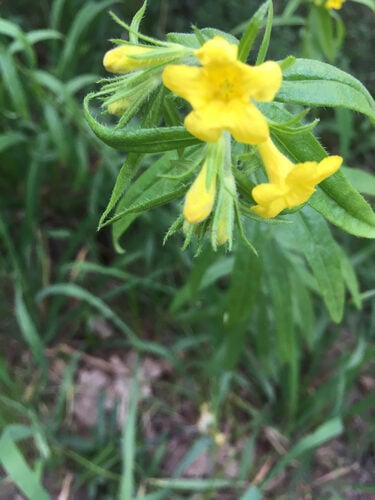
Asperugo procumbens
L.
German madwort
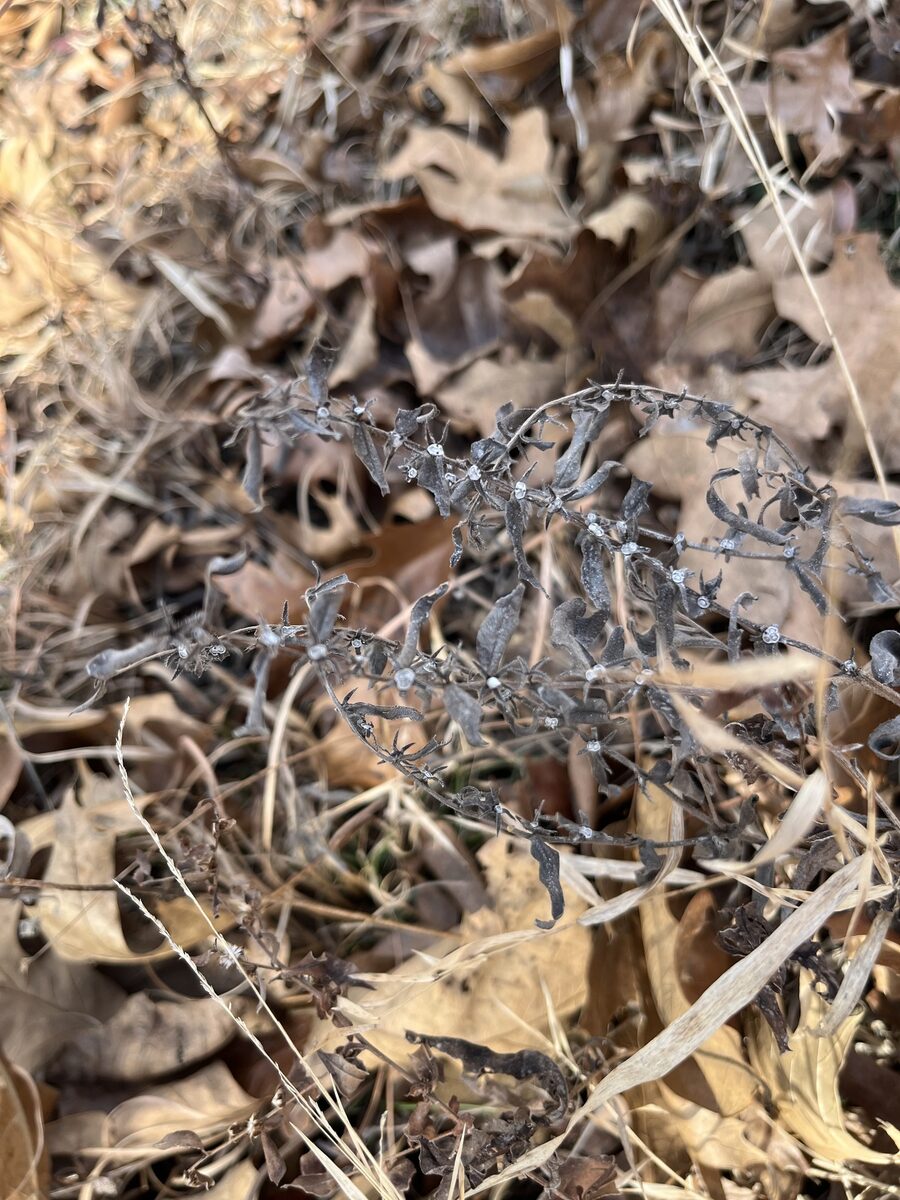
iNaturalist· cc-by-nc-sa
(c) Oskar Gran, some rights reserved (CC BY-NC-SA)
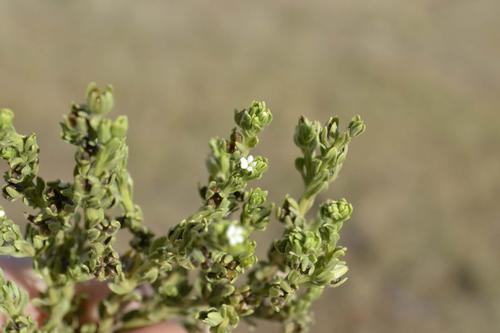
iNaturalist· cc-by-nc
(c) Alexander Iosipenko, some rights reserved (CC BY-NC), uploaded by Alexander Iosipenko
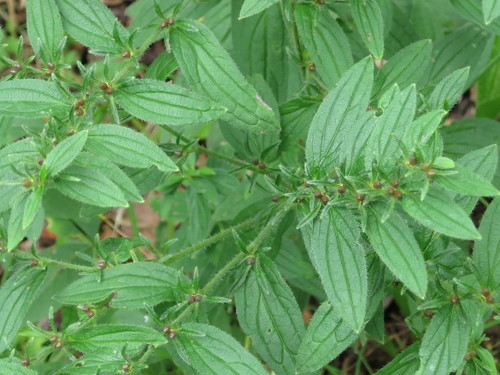
iNaturalist· cc-by-nc
(c) Martin Jiroušek, some rights reserved (CC BY-NC), uploaded by Martin Jiroušek
Description
A herb. It lies along the ground. It grows each year from seeds. It can be a climber. It grows 90 cm tall. The stems are slender and hollow with 5 or 6 ribs along them. The lower stem leaves have leaf stalks and are spoon shaped. They are 5-8 cm long by 1-2 cm wide. Stem further up the stem do not have stalks and become smaller. The flowers are blue.
Edible Uses
The leaves are roasted with onions. The root is used as a substitute for madder.
Traditional Uses
The leaves are roasted with onions.
This uses section is brief — help expand it
Medicinal Uses
Used in medicine as a tranquiliser and mood elevator.
Distribution
It is a temperate plant. It grows in dry places. It can grow in arid places.
Where It Grows
Africa, Albania, Argentina, Asia, Canada, Central Asia, China, Egypt, Europe, Himalayas, India, Iran, Israel, Kazakhstan, Kyrgyzstan, Mediterranean, Middle East, Mongolia, Nepal, North Africa, Russia, South America, Tajikistan, Tibet, Turkey, Türkiye, Turkmenistan, USA, Uzbekistan,
Other Information
The root is used as a substitute for madder,
Notes
There is only one Asperugo species. It is used in medicine as a tranquiliser and mood elevator.
Also Known As
Gepa mihe, Bost bergik, Guriza nermik
References (5)
- Demir, I. & Ayaz, N., 2022, Wild edible plants contributing to the traditional foods of Mardin (Turkey) Province. Indian Journal of Traditional Knowledge Vol 21(3), July 2022, pp 569-582
- Ertug, F, Yenen Bitkiler. Resimli Türkiye Florası -I- Flora of Turkey - Ethnobotany supplement
- Royal Botanic Gardens, Kew (1999). Survey of Economic Plants for Arid and Semi-Arid Lands (SEPASAL) database. Published on the Internet; http://www.rbgkew.org.uk/ceb/sepasal/internet [Accessed 4th April 2011]
- Urgamal, M., Oyuntsetseg, B., Nyambayar, D. & Dulamsuren, Ch. 2014. Conspectus of the vascular plants of Mongolia. (Editors: Sanchir, Ch. & Jamsran, Ts.). Ulaanbaatar, Mongolia. “Admon“ Press. 334pp. (p. 79-90).
- World Checklist of Useful Plant Species 2020. Royal Botanic Gardens, Kew