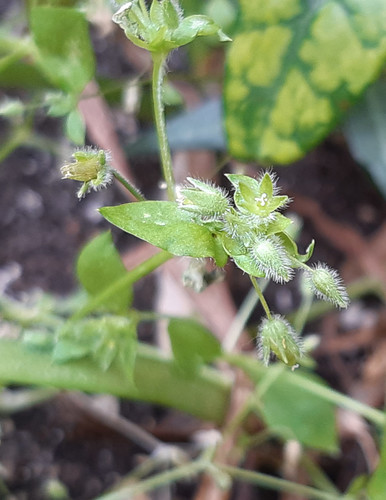
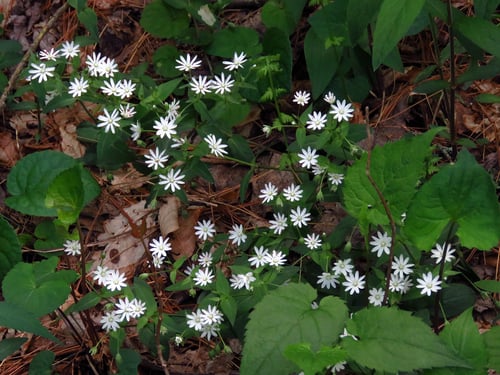
Paronychia capitata - (L.)Lam.
(L.)Lam.
Algerian Tea
gbif· cc-by-nc
Anne-Hélène Paradis
gbif· cc-by-nc
Anne-Hélène Paradis
gbif· cc-by-nc
Francisco Javier Carela Quilez
Description
Paronychia capitata is an evergreen Perennial. See above for USDA hardiness. It is hardy to UK zone 5. It is in leaf all year, in flower from July to August. The species is hermaphrodite (has both male and female organs) and is pollinated by Insects. Suitable for: light (sandy) and medium (loamy) soils and prefers well-drained soil. Suitable pH: mildly acid, neutral and basic (mildly alkaline) soils. It cannot grow in the shade. It prefers dry or moist soil and can tolerate drought.
Edible Uses
An infusion of the flowers is used as a tea.
Medicinal Uses
Aphrodisiac Diuretic TBAn infusion of the leaves is aphrodisiac and diuretic. It is also used in the treatment of TB.
Distribution
Europe - Mediterranean.
Where It Grows
Coming Soon
Cultivation
Requires a sunny position succeeding in hot dry soils and tolerating drought once established. Requires a warm open position in full sun, in a sharply drained sandy or gritty soil. If the soil is too rich the plants leaves will not be so silvery. Plants can be grown in a wall. This species is not hardy in the colder areas of the country, it tolerates temperatures down to between -5 and -10°c, perhaps more if in a perfectly drained soil. This report is a little confusing since the same article says that the plant succeeds in climatic zone 5 and should therefore be hardy in almost all of Britain. This species is closely related to P. argentea but is less tolerant of winter cold and wet conditions.
Propagation
Seed - we have no information for this species but suggest sowing the seed in spring in a greenhouse. When they are large enough to handle, prick the seedlings out into individual pots and grow them on in the greenhouse for at least their first winter. Plant them out into their permanent positions in late spring or early summer, after the last expected frosts. Division in spring.
Other Uses
Especially useful as a ground cover plant with bulbs, covering the soil after the bulbs have flowered. The plants form a low carpet, rooting as they spread, and they should be spaced about 30cm apart each way.