Oenanthe pimpinelloides
L.
Meadow Parsley, Corkyfruit waterdropwort
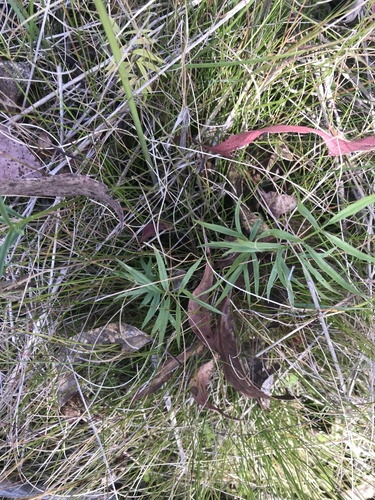
iNaturalist· cc-by
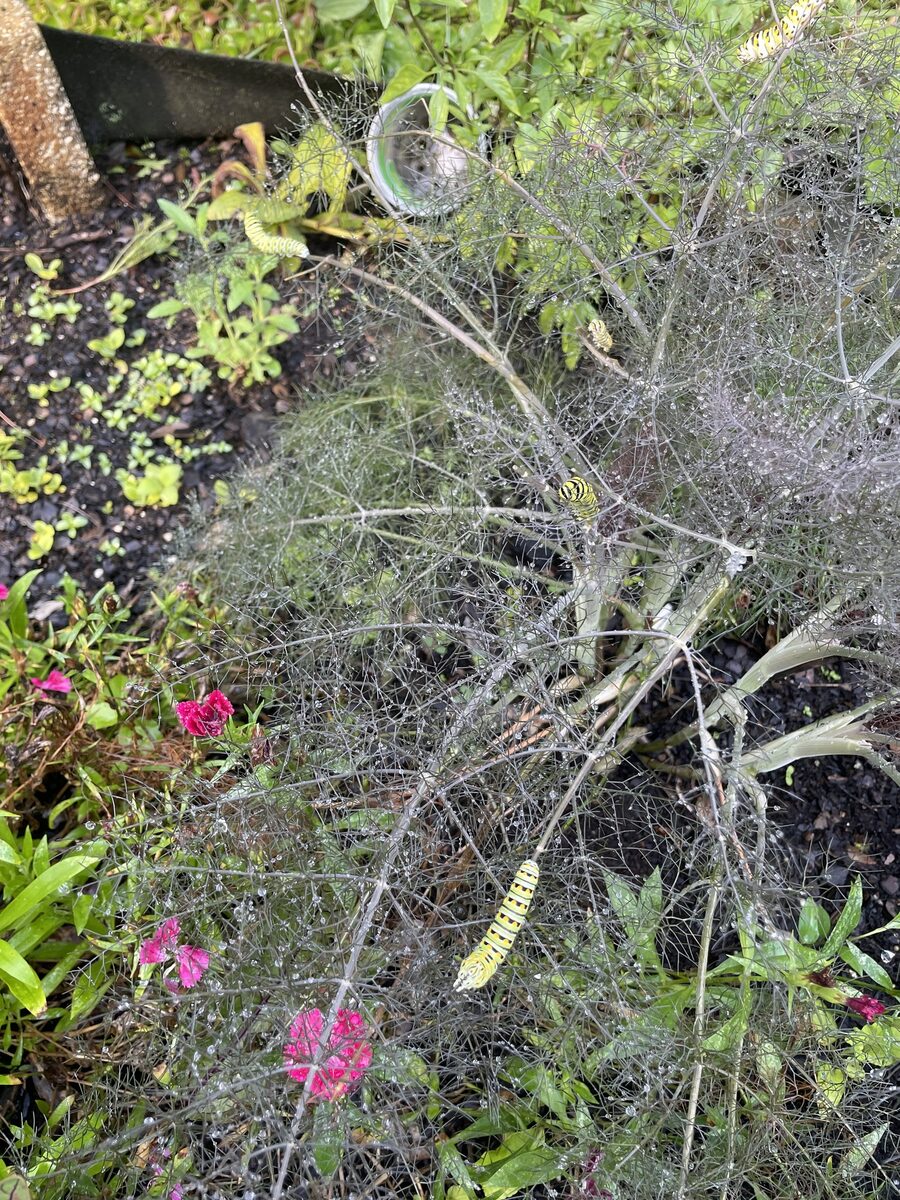
(c) Bevan Weir, some rights reserved (CC BY), uploaded by Bevan Weir
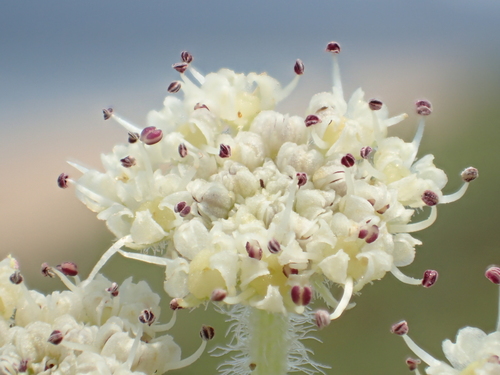
iNaturalist· cc-by-nc
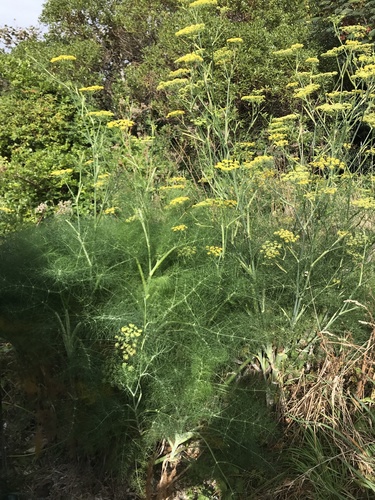
(c) Σάββας Ζαφειρίου (Savvas Zafeiriou), some rights reserved (CC BY-NC), uploaded by Σάββας Ζαφειρίου (Savvas Zafeiriou)
iNaturalist· cc-by
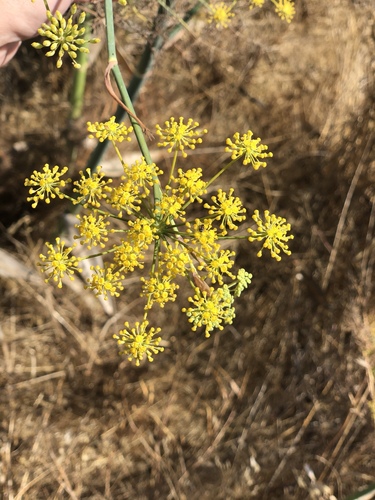
(c) Bruce Calvert, some rights reserved (CC BY), uploaded by Bruce Calvert
Description
Oenanthe pimpinelloides is a PERENNIAL growing to 1 m (3ft 3in). See above for USDA hardiness. It is hardy to UK zone 8. It is in flower from June to August. The species is hermaphrodite (has both male and female organs) and is pollinated by Insects. The plant is self-fertile. Suitable for: light (sandy), medium (loamy) and heavy (clay) soils. Suitable pH: mildly acid, neutral and basic (mildly alkaline) soils. It cannot grow in the shade. It prefers moist or wet soil.
Edible Uses
Root. Starchy with a flavour somewhat like filberts, is much esteemed in some areas. Some caution is advised since many members of this genus are very poisonous, see the notes above on toxicity.
Known Hazards
Many species in this genus are very poisonous, one report has been found so far saying that this species is also poisonous. It is said to contain the alleged 'psychotroph' myristicine.
Distribution
Europe, including Britain, from Belgium south and east to Spain and W. Asia
Where It Grows
TEMPERATE ASIA: Israel (west), Jordan (northwest), Lebanon, Syria, Turkey, Georgia EUROPE: United Kingdom, Belgium, Netherlands, Ukraine (Krym), Albania, Bulgaria, Bosnia and Herzegovina, Greece (incl. Crete), Croatia, Italy (incl. Sardinia, Sicily), North Macedonia, Montenegro, Serbia, Slovenia, Spain, France (incl. Corsica), Portugal AFRICA: Morocco
Cultivation
Requires a moist or wet fertile soil in a sunny position. This species is not hardy in the colder areas of the country, it tolerates temperatures down to between -5 and -10°c.
Propagation
Seed - sow spring in a cold frame. When they are large enough to handle, prick the seedlings out into individual pots and plant them out in the summer. Division in spring or autumn. Very easy, large divisions can be planted out direct into their permanent positions. We have found that it is better to pot up the smaller divisions and grow them on in light shade in a cold frame until they are well established before planting them out in late spring or early summer.