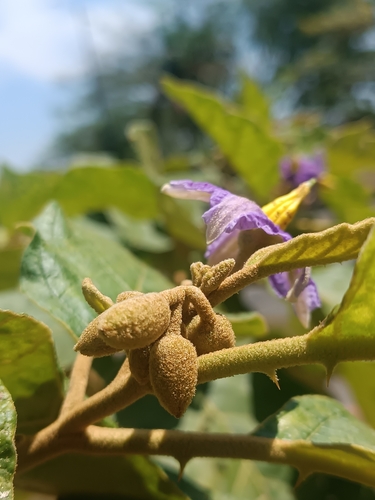
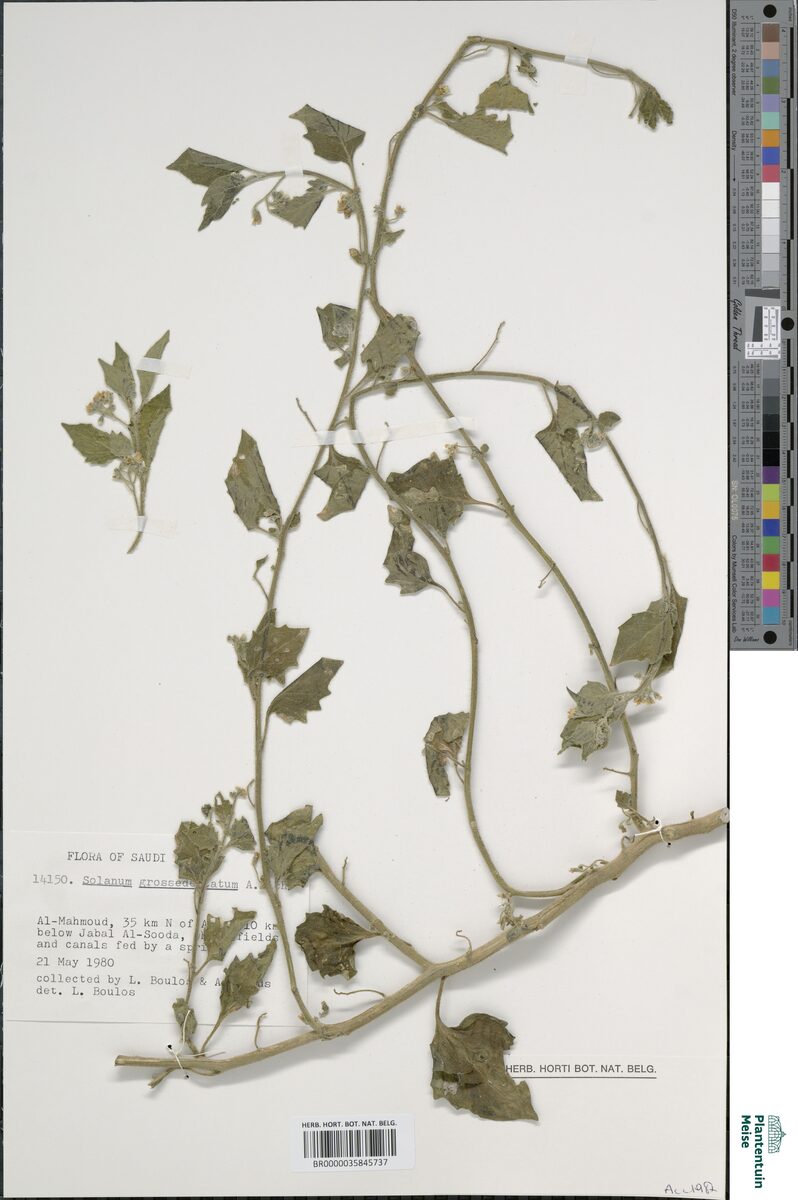
Nicandra physaloides - (L.)Gaertn.
(L.)Gaertn.
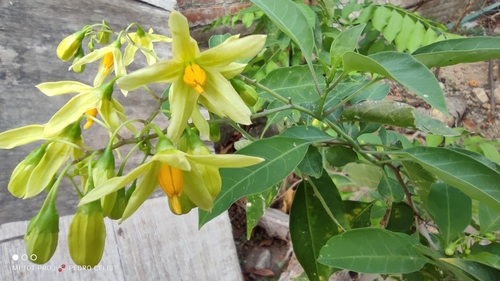
Shoo Fly
gbif· cc-by
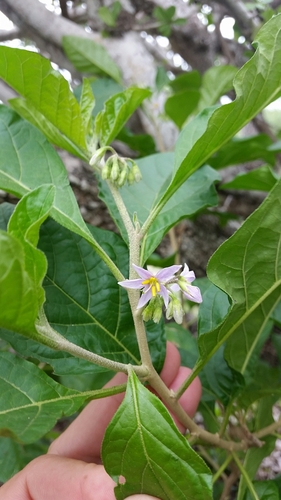
Deaver Herbarium
gbif· cc-by-nc-sa
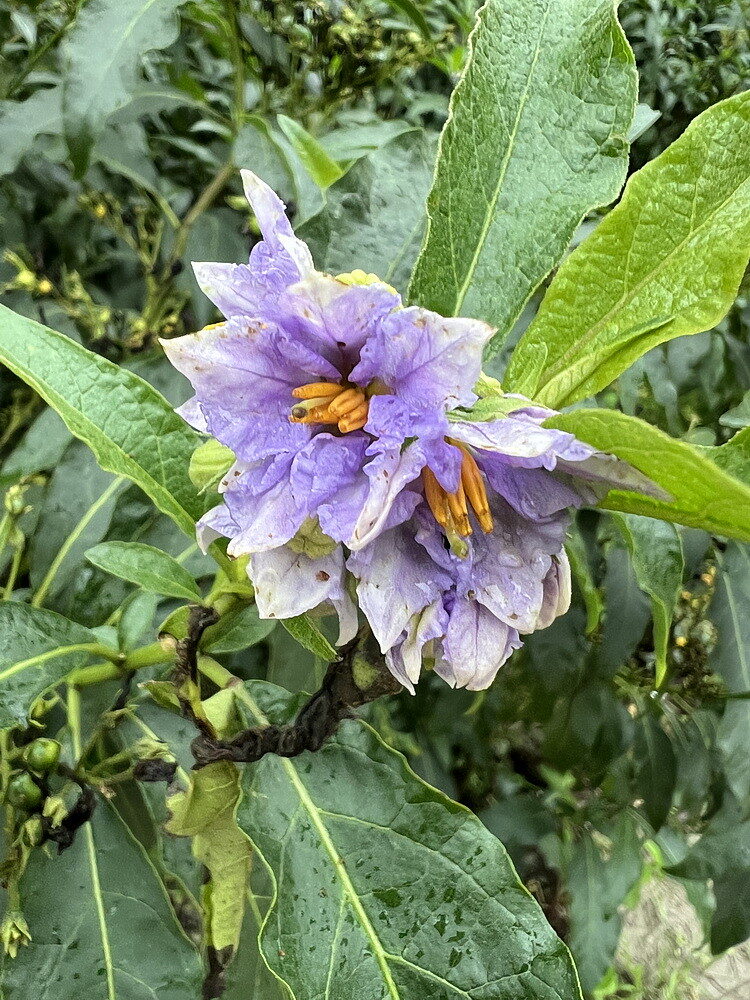
GBIF
gbif· cc-by
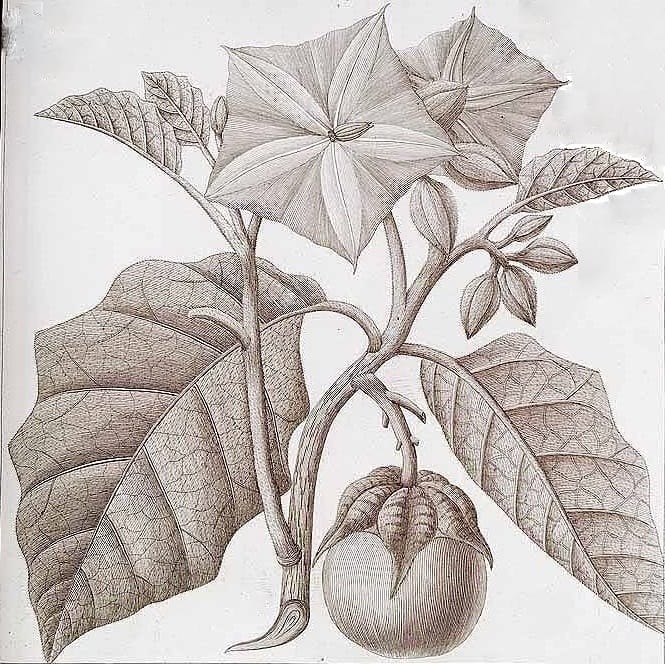
The New York Botanical Garden
Description
Nicandra physaloides is a ANNUAL growing to 1.2 m (4ft) at a fast rate. See above for USDA hardiness. It is hardy to UK zone 8. It is in flower from July to September. The species is hermaphrodite (has both male and female organs). Suitable for: light (sandy), medium (loamy) and heavy (clay) soils and prefers well-drained soil. Suitable pH: mildly acid, neutral and basic (mildly alkaline) soils. It cannot grow in the shade. It prefers moist soil.
Edible Uses
Fruit. No more details are given. The fruit is a berry about 15mm in diameter. Young leaves - boiled. Some caution is advised, see the notes above on toxicity.
Medicinal Uses
Analgesic Anthelmintic Antibacterial Antiinflammatory Diuretic Febrifuge Mydriatic. The plant is diuretic. There is no evidence to suggest that the plant is purgative, though an alkaloid with mydriatic action is present. The seeds are used in Tibetan medicine, they are said to have an acrid taste and a cooling, very poisonous potency. Analgesic, anthelmintic, antibacterial, anti-inflammatory and febrifuge, regular use increases bodily vigour. They are used in the treatment of contagious disorders, toothache, intestinal pain from worms and impotence. A decoction of the seeds is used in the treatment of fevers.
Known Hazards
Although no mention of toxicity has been seen for this species, it belongs to a family that contains many species of poisonous plants so some caution is advised. It is normally the leaves and the unripe fruits that are most likely to be suspect, this family also includes many food plants such as potatoes, tomatoes, peppers etc.
Distribution
S. America - Peru. Introduced and casual in Britain.
Where It Grows
Coming Soon
Cultivation
Succeeds in ordinary garden soil, but prefers a rich well-drained soil in a sunny position. Plants withstand poor weather conditions well and do not usually require staking. Plants are fast-growing and often self-sow freely. Individual flowers only live for one day, but the plant produces a succession of flowers from summer to early autumn.
Propagation
Seed - sow in situ in late spring, preferably after the last expected frosts. Young seedlings can be transplanted. The seed can remain dormant for several decades.
Other Uses
Repellent. The plant is thought to repel flies.