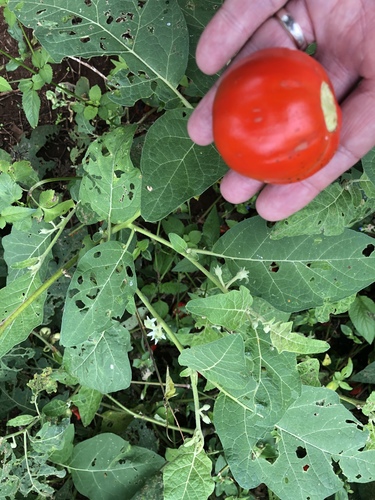
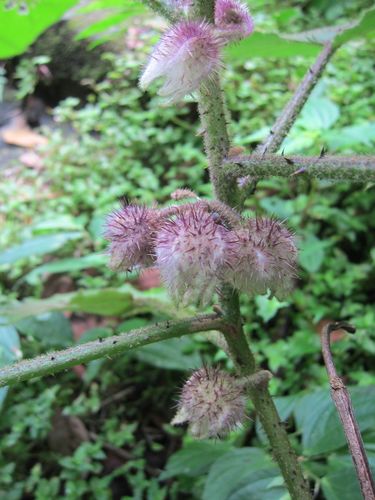
Solanum tarderemotum
Bitter
African black nightshade
iNaturalist· cc-by-nc
(c) tdwolsey, some rights reserved (CC BY-NC)
iNaturalist· cc-by-nc-sa
(c) Marco Schmidt, some rights reserved (CC BY-NC-SA), uploaded by Marco Schmidt
iNaturalist· cc-by-nc
(c) vicki907, some rights reserved (CC BY-NC)
Description
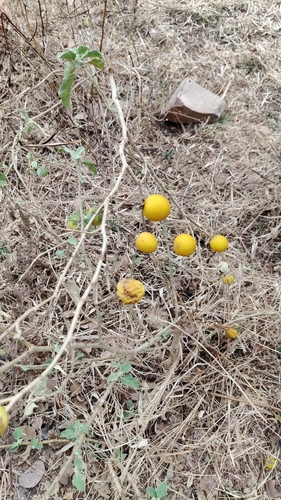
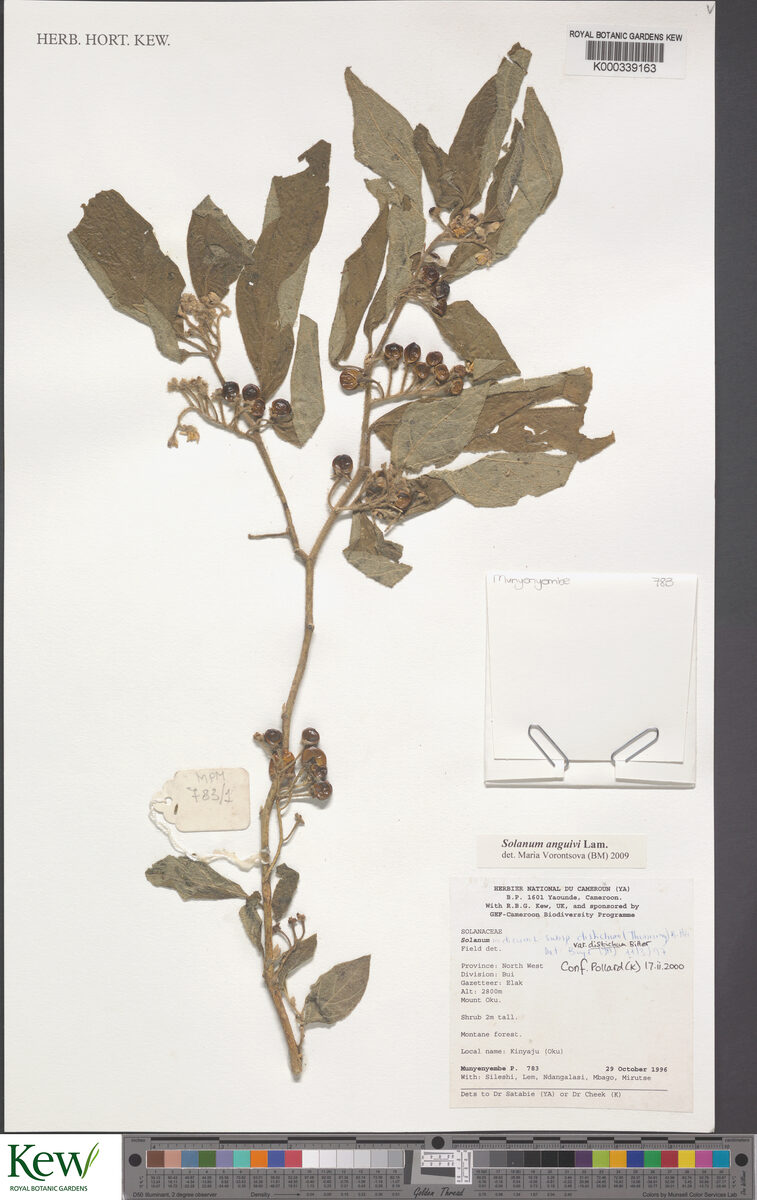
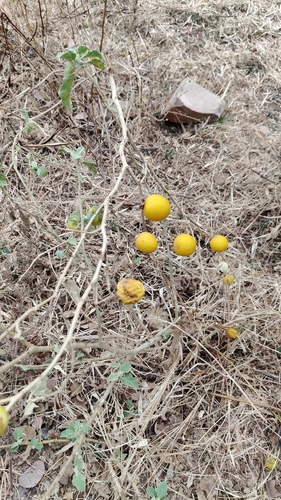
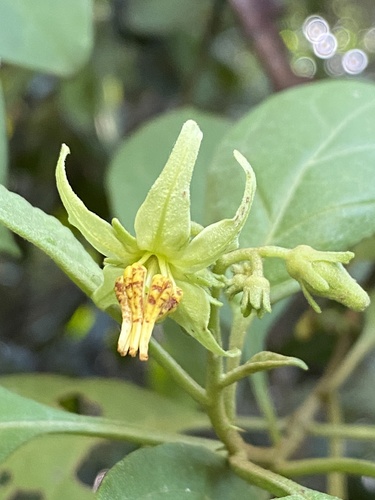
A herb. It can grow for one or a few years. It grows 1.5 m tall. The branches spread widely. The leaves are simple and usually arranged in spirals. They are wedge shaped at the base and this extends along the leaf stalk. The leaves are 10 cm long by 6 cm wide. There are 7-12 flowers in a group. The flowers have both sexes. The fruit are round berries 4-6 mm across. Fruit can be pale green or purple. They have many seeds. The seeds are 1.5 mm long.
Edible Uses
The leaves and young shoots are cooked as a vegetable, sometimes simmered in milk and left overnight to reduce bitterness. Ripe fruit from green-fruited varieties are eaten raw by children. The leaves are sold in markets and commonly cultivated in home gardens.
Traditional Uses
The leaves and young shoots are cooked and eaten. The leaves are sometimes cooked in milk and left overnight to reduce bitterness. Children eat the ripe fruit of green fruited types raw.
Medicinal Uses
Infusions of the leaves, roots and young fruits are used medicinally to treat duodenal ulcers, stomach upsets, boils, swollen glands and teething problems. The cooked plant is recommended in the treatment of patients with malaria.
Known Hazards
Although providing many well-known foods for people, including the potato, tomato, pepper and aubergine, most species in this genus also contain toxic alkaloids. Whilst these alkaloids can make the plant useful in treaing a range of medical conditions, they can also cause problems such as nausea, vomiting, salivation, drowsiness, abdominal pain, diarrhoea, weakness and respiratory depression. Unless there are specific entries with information on edible uses, it would be unwise to ingest any part of this plant.
Distribution
It is a tropical plant. It grows in a wide range of habitats from sea level to 3,000 m above sea levels.
Where It Grows
Africa, Burundi, Central Africa, Congo, East Africa, Ethiopia, Kenya, Rwanda, Tanzania, Uganda,
Cultivation
Plants can be grown from seeds. The seeds are very small so are mixed with sand before sowing. Seeds are often sown in nurseries and transplanted. They are transplanted when 10-15 cm high. A spacing of 20 cm is suitable.
Propagation
Seed - germination normally takes place in 5 - 7 days. It is common practice to sow seeds in a nursery and transplant the seedlings when they are 10 - 15cm tall and have at least 5 true leaves. Many growers mix the tiny seeds with fine soil, ash or dried manure before sowing. Nursery beds are mulched and irrigated daily. Well-fermented farmyard manure is incorporated into the plant beds whenever available because this gives better results than fertilizers only. The seeds can remain viable for several years when kept dry and cool. Germination can sometimes be problematic because of low vigour caused by improper seed extraction and therefore inadequate removal of sugars and germination inhibitors present in the fruit. Other reasons for problematic germination are that seeds are not dried and stored properly, or that the seed is dormant.
Other Uses
A crop rotation with crops such as maize or amaranth is recommended in order to control nematodes.
Production
Young shoots are harvested 5-6 weeks after sowing. They can then be harvested each 1-2 weeks for the next 8-12 weeks.
Other Information
The leaves are sold in markets. The plant is cultivated in home gardens.
Also Known As
Mnavu
References (4)
- Grubben, G. J. H. and Denton, O. A. (eds), 2004, Plant Resources of Tropical Africa 2. Vegetables. PROTA, Wageningen, Netherlands. p 498
- Lulekal, E., et al, 2011, Wild edible plants in Ethiopia: a review on their potential to combat food insecurity. Afrika Focus - Vol. 24, No 2. pp 71-121
- NYBG Herbarium "edible"
- World Checklist of Useful Plant Species 2020. Royal Botanic Gardens, Kew