Myoporum platycarpum
R.Br.
Sugarwood
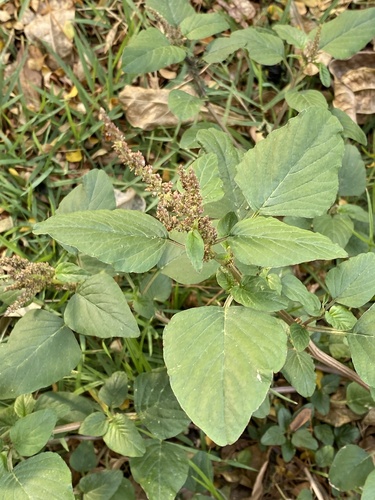
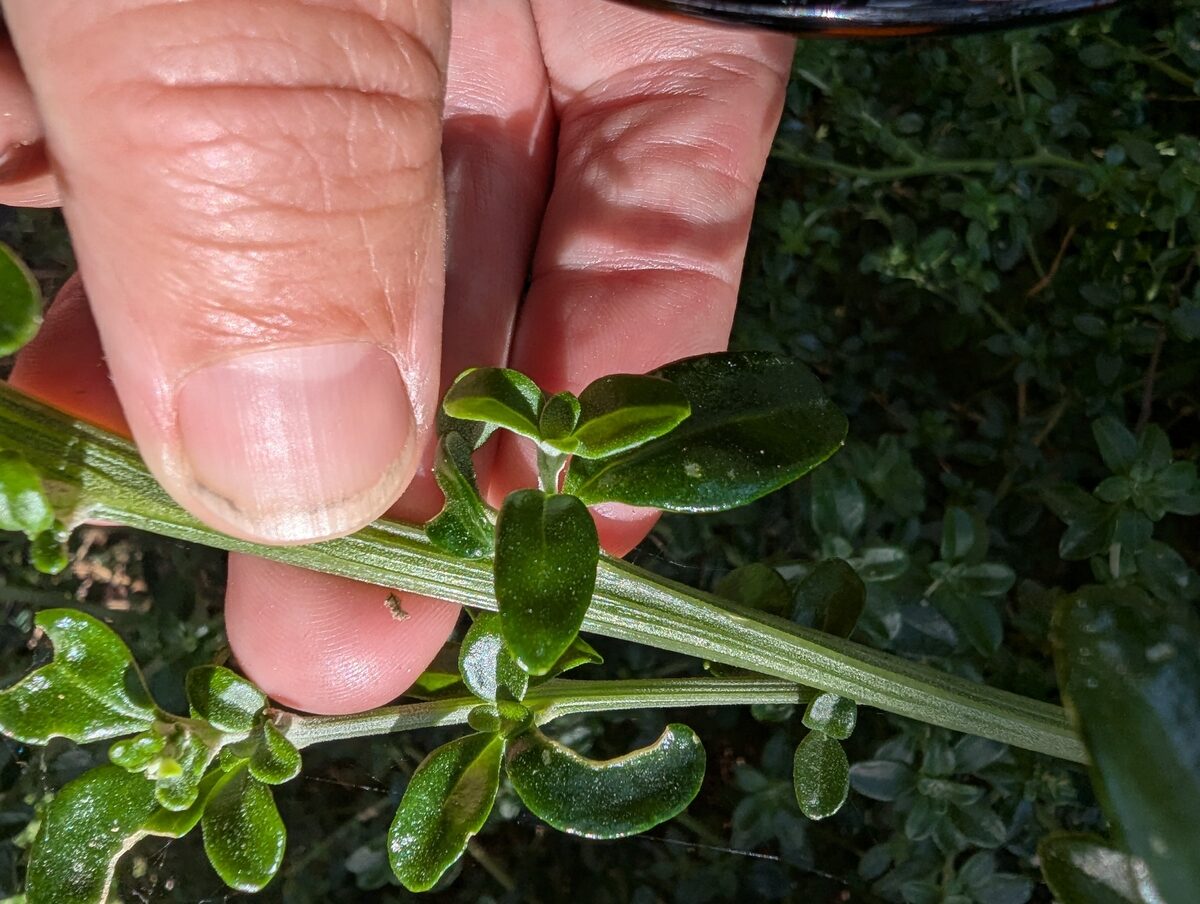
iNaturalist· cc-by-nc
(c) Deb, some rights reserved (CC BY-NC), uploaded by Deb
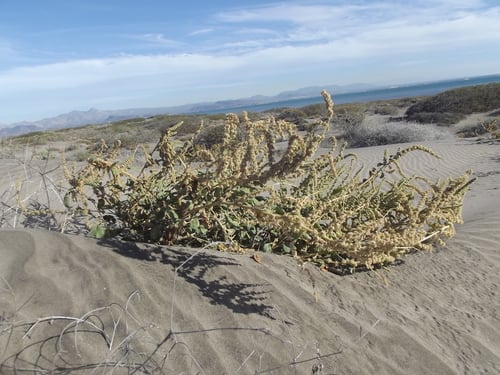
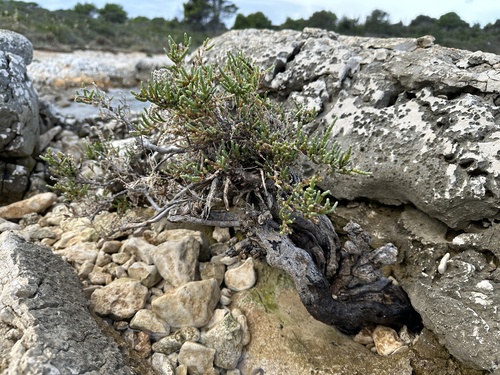
iNaturalist· cc-by-nc
(c) cinclosoma, some rights reserved (CC BY-NC), uploaded by cinclosoma
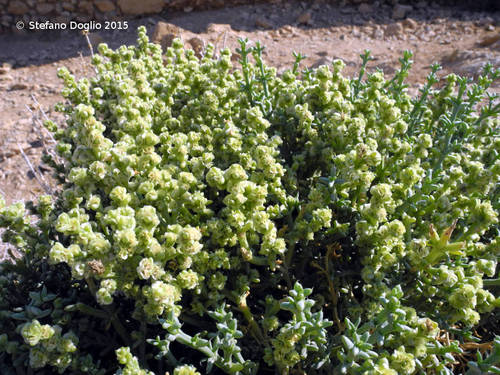
iNaturalist· cc-by-nc
(c) Deb, some rights reserved (CC BY-NC), uploaded by Deb
Description
Myoporum platycarpum is an evergreen Shrub growing to 8 m (26ft) by 8 m (26ft). See above for USDA hardiness. It is hardy to UK zone 9. It is in leaf all year. The species is hermaphrodite (has both male and female organs). Suitable for: light (sandy), medium (loamy) and heavy (clay) soils and prefers well-drained soil. Suitable pH: mildly acid, neutral and basic (mildly alkaline) soils and can grow in very alkaline soils. It cannot grow in the shade. It prefers dry or moist soil.
Edible Uses
Fruit - raw or cooked. Caution is advised, see the notes above on possible toxicity. A sweet manna exudes from the stems. It is a popular local delicacy. The manna cannot be induced to flow by wounding the stem.
Medicinal Uses
Laxative. Laxative.
Known Hazards
Although no records of toxicity have been found for this species, the fruits of at least some members of this genus are known to contain liver toxins and can be harmful in large quantities.
Distribution
Australia - New South Wales, Queensland, South Australia, Victoria.
Where It Grows
AUSTRALASIA: Australia (New South Wales, Queensland (southeast), South Australia, Victoria, Western Australia (south))
Cultivation
A hardy and attractive plant. Occurs in mallee communities but on many different soil types, mostly alkaline, sand to loam and is extremely hardy and frost tolerant. In some areas it can be the dominant tree in the landscape and on well drained deeper soils could reach 10 metres in height.
Propagation
Seed - sow spring in a greenhouse. When they are large enough to handle, prick the seedlings out into individual pots and grow them on in the greenhouse for at least their first winter. Plant them out into their permanent positions in late spring or early summer, after the last expected frosts. Consider giving the plants some protection from the cold for their first few winters outdoors. Cuttings of half-ripe wood, 5 - 10cm with a heel, July/August in a frame. Pot up in the autumn. Good percentage.
Other Uses
Adhesive Resin Wood. The manna obtained from the stems can be used as an adhesive cement. The plant yields a resin. No more details are given, though these reports could be referring to the manna. Wood - perfumed. Used for veneers and cabinet making, it is a sandalwood substitute. Wood hard and dense, yellow and streaked brown with small black features. It smells of sugar when it is worked. An excellent shade, shelter or screening plant for dry areas. Its foliage is palatable to stock and is often grazed.
Also Known As
False sandlewood. Ngural.