Mercurialis annua
L.
Annual Mercury
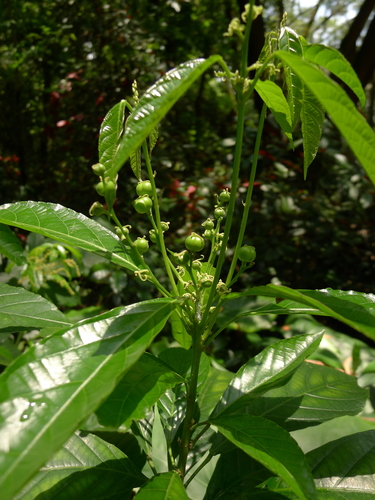
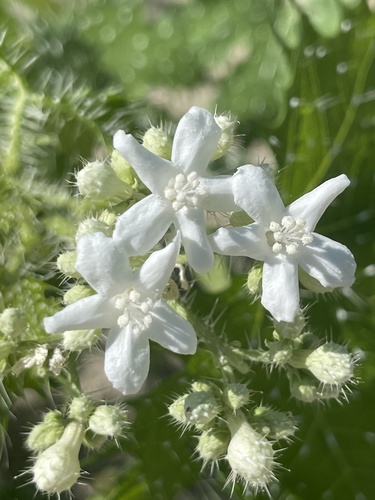
iNaturalist· cc-by-nc-nd
(c) rubinjoni, some rights reserved (CC BY-NC-ND)
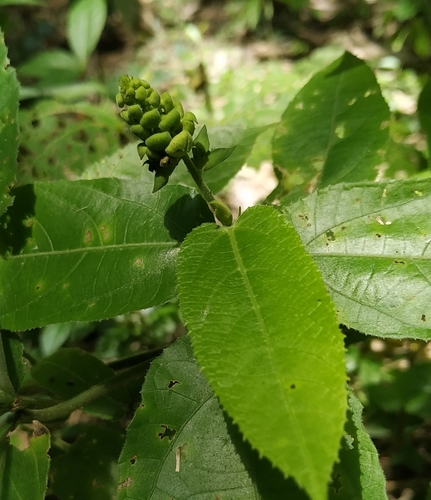
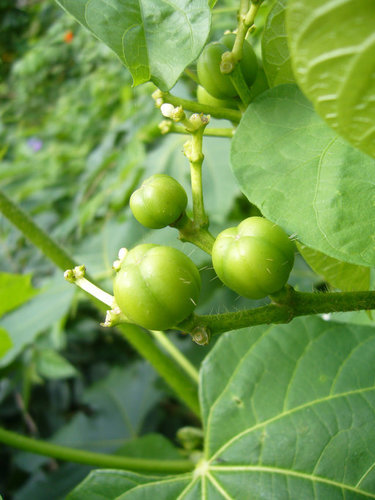
iNaturalist· cc-by-nc-nd
(c) rubinjoni, some rights reserved (CC BY-NC-ND)
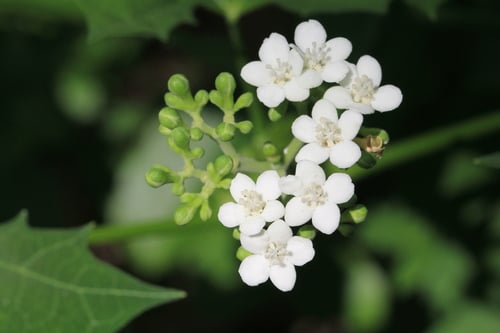
iNaturalist· cc-by-nc
(c) Butor and Gogol, some rights reserved (CC BY-NC), uploaded by Butor and Gogol
Description
Mercurialis annua is a ANNUAL growing to 0.5 m (1ft 8in). It is not frost tender. It is in flower from July to October. The species is dioecious (individual flowers are either male or female, but only one sex is to be found on any one plant so both male and female plants must be grown if seed is required). and is pollinated by Bees, flies, wind. The plant is not self-fertile. Suitable for: light (sandy), medium (loamy) and heavy (clay) soils. Suitable pH: mildly acid, neutral and basic (mildly alkaline) soils. It cannot grow in the shade. It prefers moist soil.
Edible Uses
Oil. Leaves - cooked. They were at one time quite popular, being used like spinach. The acrid principle is said to be destroyed by thoroughly boiling the leaves. The raw leaves are poisonous. It is probably wise not to eat the leaves of this plant.
Medicinal Uses
Emetic Emollient Homeopathy Ophthalmic Purgative Warts Women's complaints. The whole plant, and especially the juice, is emetic, emollient and purgative. It is used externally to treat women's complaints, ear and eye problems, warts and sores. A homeopathic remedy is made from the plant. It is used in the treatment of rheumatism, dropsy, diarrhoea and disorders of the gall bladder and liver.
Known Hazards
The plant is poisonous, but less so than the perennial M. perennis.
Distribution
Europe, including Britain, from Scandanavia south and east to the Mediterranean. Azores.
Where It Grows
TEMPERATE ASIA: Cyprus, Egypt (Sinai), Iraq, Israel, Jordan, Lebanon, Syria, Turkey, Georgia EUROPE: Austria, Belgium, Switzerland, Germany, Hungary, Netherlands, Poland, Russian Federation (European part), Ukraine (incl. Krym), Former Yugoslavia, Albania, Bulgaria, Greece (incl. Crete), Italy (incl. Sardinia, Sicily), Romania, Spain (incl. Baleares), France (incl. Corsica), Portugal AFRICA: Spain (Canarias), Portugal (Madeira Islands), Algeria, Egypt, Libya, Morocco, Tunisia
Cultivation
A common garden weed in Britain, it should need little encouragement. When well suited, it tends to spread itself around too freely for most people's tastes. It dislikes growing in shady positions. Plants are normally dioecious, though monoecious plants are sometimes found. Male and female plants must normally be grown if seed is required.
Propagation
Seed - sow spring or autumn in situ.
Other Uses
Oil. This species is a potential source of a very good drying oil.