Melicytus ramiflorus
J.R.Forst.&G.Forst.
Whitey Wood
iNaturalist· cc-by
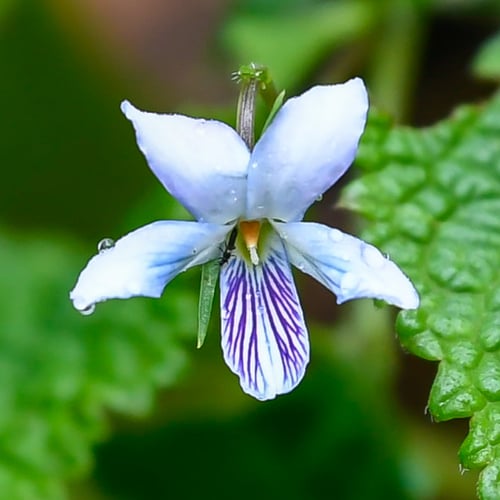
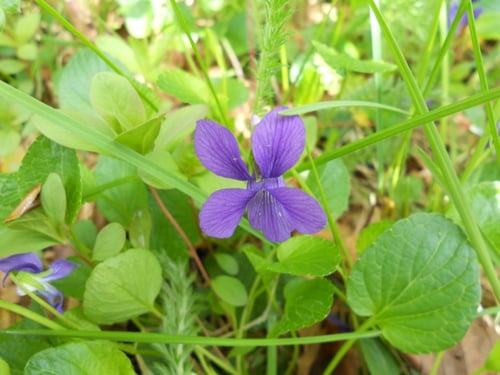
(c) Jon Sullivan, some rights reserved (CC BY), uploaded by Jon Sullivan
iNaturalist· cc-by-nc
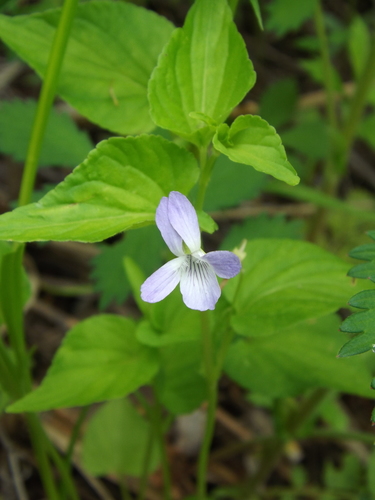
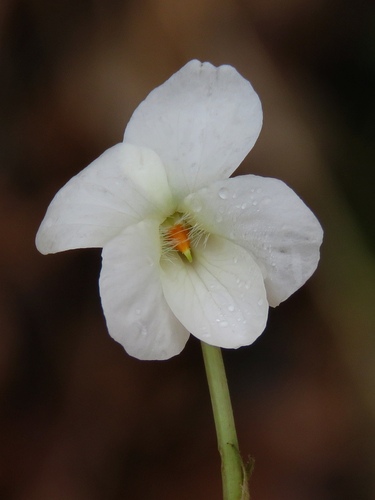
(c) tangatawhenua, some rights reserved (CC BY-NC), uploaded by tangatawhenua
iNaturalist· cc-by
(c) Jon Sullivan, some rights reserved (CC BY)
Description
Melicytus ramiflorus is a deciduous Tree growing to 9 m (29ft) by 9 m (29ft). See above for USDA hardiness. It is hardy to UK zone 9. It is in flower in June. The species is dioecious (individual flowers are either male or female, but only one sex is to be found on any one plant so both male and female plants must be grown if seed is required). . The plant is not self-fertile. Suitable for: light (sandy), medium (loamy) and heavy (clay) soils and prefers well-drained soil. Suitable pH: mildly acid, neutral and basic (mildly alkaline) soils. It cannot grow in the shade. It prefers moist soil.
Edible Uses
Fruit. We have no more details except that the fruit is abundantly produced if male and female trees are grown.
Distribution
New Zealand.
Where It Grows
AUSTRALASIA: New Zealand
Cultivation
Requires a sunny position in a well-drained moderately fertile soil. This species is not very hardy in Britain, it requires the protection of a sunny wall even in the mildest areas of the country. Some trees in Penzance in Cornwall were 6 metres tall in 1930 and withstood temperatures down to -10°c. Some provenances from New Zealand should withstand at least -5°c, more if they are grown in a sunny sheltered position. Pruning is tolerated if it is required. Dioecious, male and female plants must be grown if fruit and seed is required.
Propagation
Seed - sow as soon as it is ripe or in early spring in a greenhouse. When they are large enough to handle, prick the seedlings out into individual pots and grow them on in the greenhouse for at least their first winter. Plant them out into their permanent positions in late spring or early summer, after the last expected frosts. Consider giving them some protection from the cold for their first few winters outdoors. Cuttings of half-ripe wood, 5 - 10cm long with a heel, June/July in a frame. Division of suckers in the dormant season.
Other Uses
CharcoalA charcoal is produced from the wood.