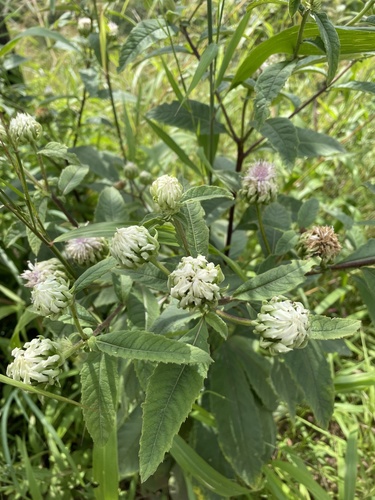
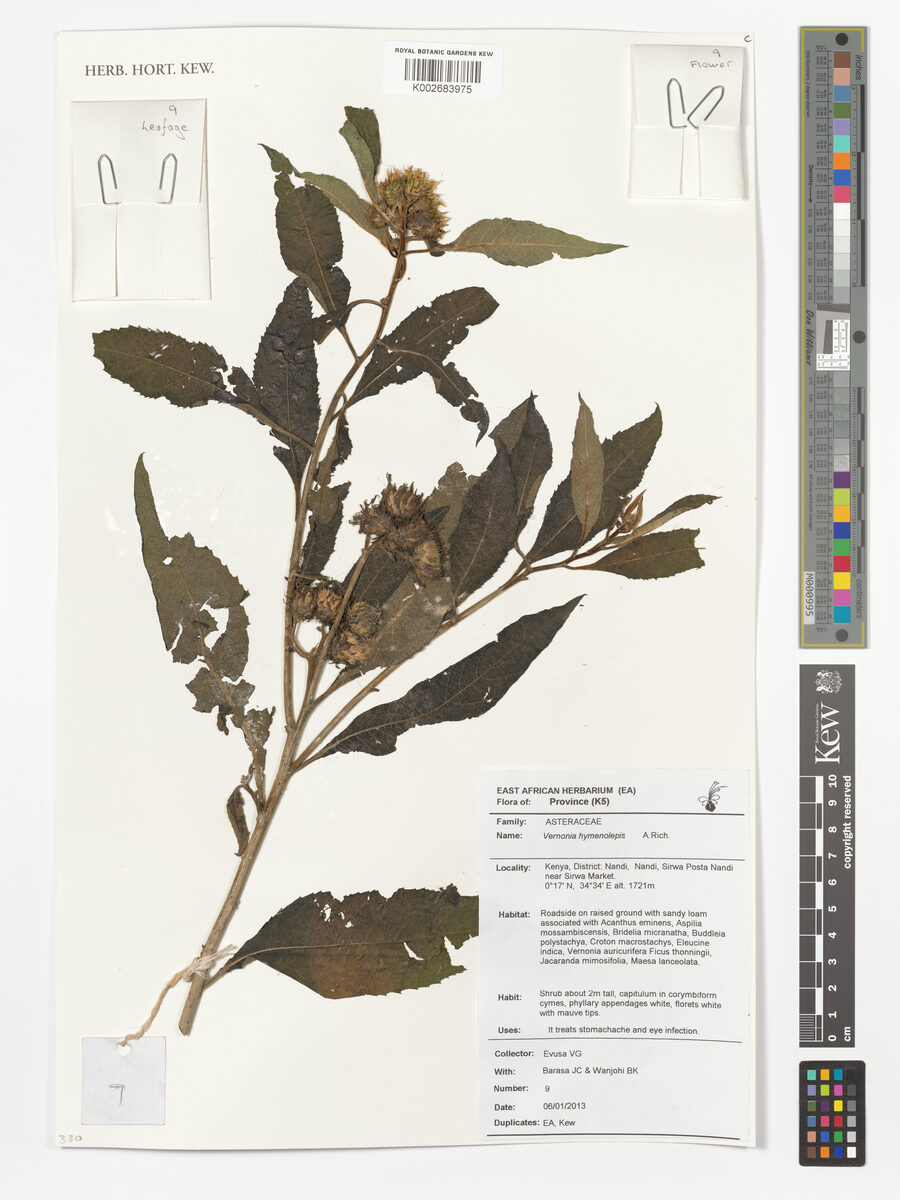
Eupatorium fortunei
Turcz.
Pei lan
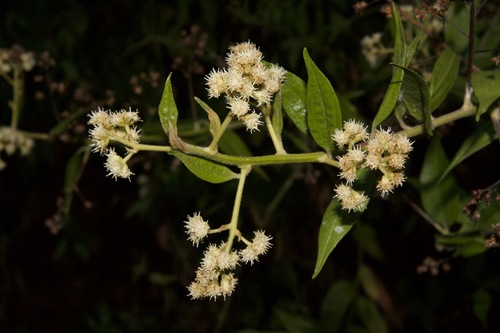
iNaturalist· cc-by-nc
(c) karinhoo, some rights reserved (CC BY-NC)
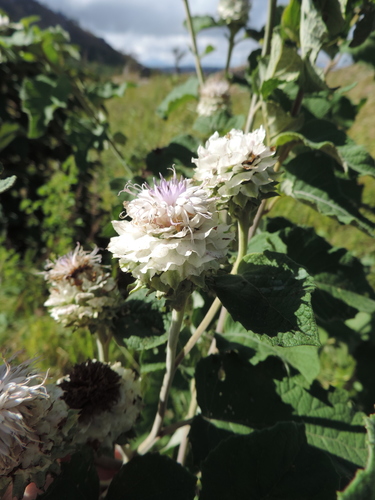
iNaturalist· cc-by-nc
(c) formosana, some rights reserved (CC BY-NC)
Summary
Source: WikipediaEupatorium fortunei is a plant species in the family Asteraceae native from Asia where it is rare in the wild but commonly cultivated. The white to reddish colored flowers and herbage smell like lavender when crushed. In China the plants are used to make fragrant oils.
Description
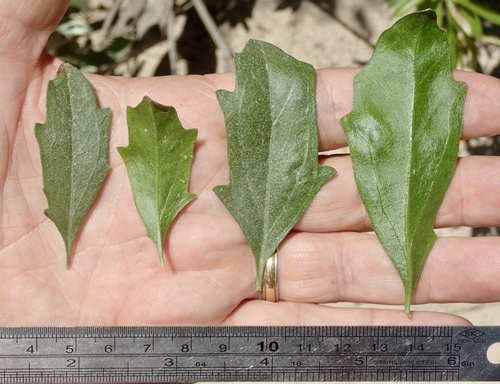
A shrub. It grows 1-1.5 m tall and spreads 30 cm-1 m wide. It forms clumps and keeps growing from year to year. The leaves are opposite and divided. They have sharp teeth. The flowers are white and in groups.
Edible Uses
The leaves and roots are eaten as edible portions.
Traditional Uses
Caution: It can irritate the stomach.
This uses section is brief — help expand it
Medicinal Uses
It is used in traditional medicine.
Known Hazards
The plant is used medicinally in both Japan and China. In Traditional Chinese Medicine it is indicated for poor appetite, nausea and vomiting due to 'dampness' obstructions or summer heat. Its modern usage includes stomach flus and acute gastritis, in conjunction with other herbs including Huo Xiang (Agastache rugosa). Eupatorium fortunei contains tumorigenic pyrrolizidine alkaloids.
Distribution
It is a temperate plant. It is frost hardy. In China it grows at about 2,000 m above sea level. In XTBG Yunnan. In Sichuan.
Where It Grows
Asia, China, Indochina, Japan, Korea, SE Asia, Thailand, Vietnam,
Other Information
It is cultivated.
Notes
There are about 40 Eupatorium species. It is used in medicine.
Synonyms
References (4)
- Brown, D., 2002, The Royal Horticultural Society encyclopedia of Herbs and their uses. DK Books. p 209
- Bull. Soc. Imp. Naturalistes Moscou 24(1):170. 1851
- Plants for a Future database, The Field, Penpol, Lostwithiel, Cornwall, PL22 0NG, UK. http://www.scs.leeds.ac.uk/pfaf/
- Zeven, A. C. & de West, J. M. J., 1982, Dictionary of cultivated plants and their regions of diversity. Wageningen. p 51 (As Eupatorium stoechadosum Hance)