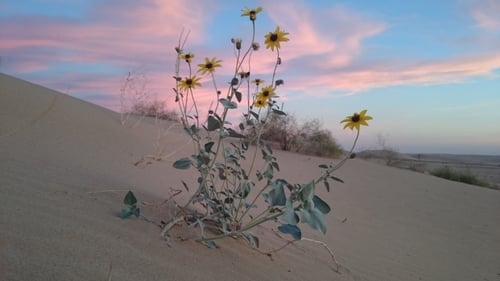
Hypochaeris radicata subsp. neapolitana
L., (DC.) Guad.
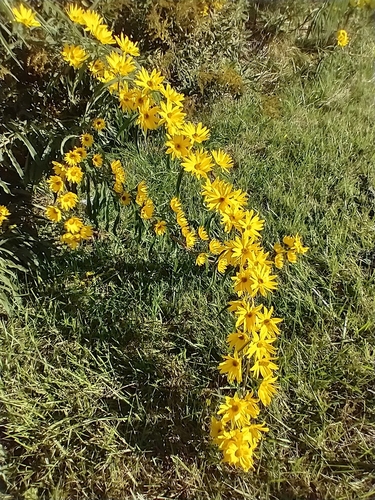
Costolina giuncolina
iNaturalist· cc-by-nc
(c) demicook, some rights reserved (CC BY-NC)
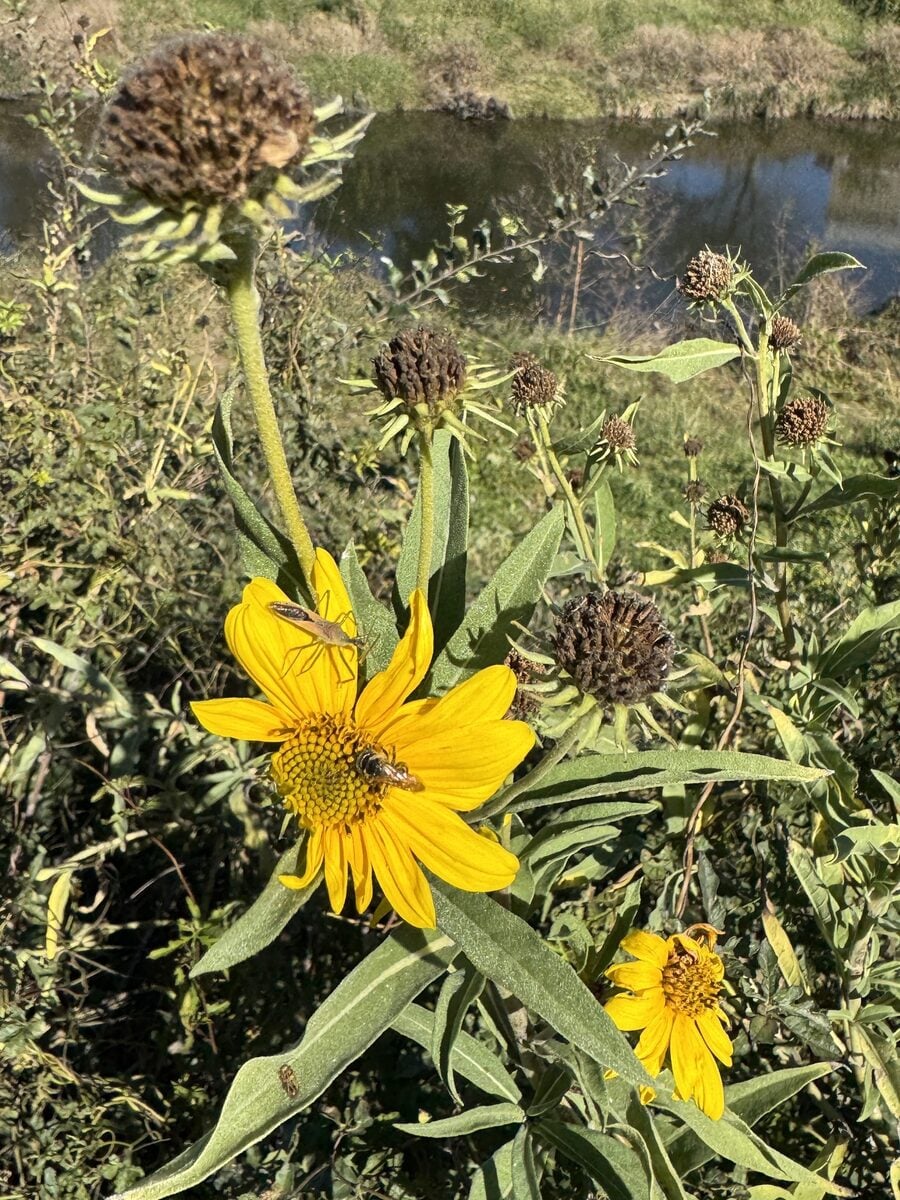
iNaturalist· cc-by-sa
(c) Douglas Goldman, some rights reserved (CC BY-SA)
Summary
Source: WikipediaHypochaeris radicata (sometimes spelled Hypochoeris radicata) – also known as catsear, flatweed, cat's-ear, hairy cat's ear, or false dandelion – is a perennial, low-lying edible herb often found in lawns. The plant is native to Europe, but has also been introduced to the Americas, Japan, Australia, and New Zealand, where it can be an invasive weed. It is listed as a noxious weed in the northwestern U.S. state of Washington.
Description
A herb.
This description is brief — help expand it
Edible Uses
All parts of the catsear plant are edible; however, the leaves and roots are those most often harvested. The leaves are bland in taste but can be eaten raw in salads, steamed, or used in stir-fries. Some recommend mixing them with other vegetables. Older leaves can become tough and fibrous, but younger leaves are suitable for consumption. In contrast to the edible leaves of dandelion, catsear leaves only rarely have some bitterness. In Crete, Greece, the leaves of a variety called παχιές (pachiés) or αγριοράδικα (agriorádika) are eaten boiled or steamed. The root can be roasted and ground to form a coffee substitute.
Traditional Uses
The leaves are eaten boiled and seasoned with oil and lemon.
This uses section is brief — help expand it
Known Hazards
This species is suspected of causing stringhalt in horses and donkeys if consumed in excess.
Distribution
It is a Mediterranean climate plant.
Where It Grows
Europe, Italy, Mediterranean, Sicily,
References (1)
- Lentini, F. and Venza, F., 2007, Wild food plants of popular use in Sicily. J Ethnobiol Ethnomedicine. 3: 15