Lonicera caprifolium
L.
Italian Honeysuckle, Italian woodbine
iNaturalist· cc-by-nc
(c) samre, some rights reserved (CC BY-NC), uploaded by samre
iNaturalist· cc-by-nc
(c) ramazan_murtazaliev, some rights reserved (CC BY-NC), uploaded by ramazan_murtazaliev
iNaturalist· cc-by-nc
(c) Marco Grandis, some rights reserved (CC BY-NC), uploaded by Marco Grandis
Description
Lonicera caprifolium is a deciduous Climber growing to 6 m (19ft) by 6 m (19ft) at a medium rate. See above for USDA hardiness. It is hardy to UK zone 5. It is in flower from August to September, and the seeds ripen from October to November. The species is hermaphrodite (has both male and female organs) and is pollinated by Lepidoptera (Moths & Butterflies). Suitable for: light (sandy), medium (loamy) and heavy (clay) soils. Suitable pH: mildly acid, neutral and basic (mildly alkaline) soils. It can grow in full shade (deep woodland) semi-shade (light woodland) or no shade. It prefers moist soil.
Edible Uses
Tea. The fruit is eaten in small quantities. It is probably cooked first. An infusion of the heavily perfumed flowers is used as a tea substitute.
Medicinal Uses
Antispasmodic Bach Cathartic Diuretic Emetic Emollient Expectorant Laxative Pectoral Skin Vulnerary. The fruit is emetic and cathartic. The pressed juice makes a mild purgative. The leaves and flowers are antispasmodic, emollient and expectorant. They are used as a cutaneous and mucous tonic and as a vulnerary. Recent research has shown that the plant has an outstanding curative action in cases of colitis. The seed is diuretic. The plant is used in Bach flower remedies - the keywords for prescribing it are 'Dwelling upon thoughts of the past', 'Nostalgia' and 'Homesickness'.
Distribution
Europe - Austria and Czechoslovakia to Romania and Turkey. Introduced in Britain.
Where It Grows
EUROPE: Norway, Sweden, Czechoslovakia, Austria, Hungary, Poland, Former Yugoslavia, Albania, Italy, Romania, Spain
Cultivation
Prefers a good moist soil with its roots in the shade and its top growing into the light. Succeeds even in quite deep shade. Tolerates both acid and alkaline soils, only showing distress on very alkaline soils. Plants are hardy to about -15°c. Plants are moderately fast-growing. They climb by twining around other plants. The flowers are very fragrant, especially of a night time in order to attract pollinating moths, and are produced in abundance, but plants only produce fruit after a hot summer. Plants are prone to attacks by mildew and blackfly.
Propagation
Seed - best sown as soon as it is ripe in a cold frame. Stored seed requires 2 months cold stratification and should be sown as soon as possible in a cold frame. When they are large enough to handle, prick the seedlings out into individual pots and grow them on in the greenhouse for at least their first winter. Plant them out into their permanent positions in late spring or early summer, after the last expected frosts. Cuttings of half-ripe wood, 7 - 10cm with or without a heel, July/August in a frame. Good percentage. Cuttings of mature wood of the current season's growth, 15 - 20cm with or without a heel, November in a cold frame. Good percentage. Layering in autumn.
Other Uses
EssentialAn essential oil has been extracted from the flowers and used to make a very sweet perfume, but yields are extremely low.
More from Caprifoliaceae
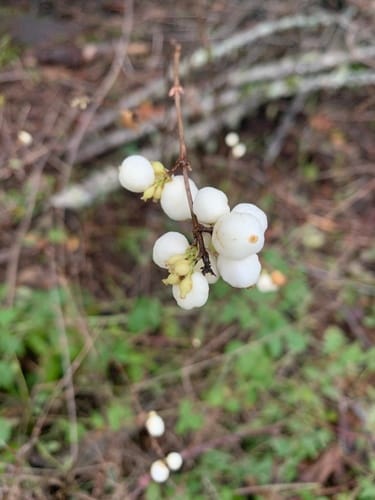
Symphoricarpos albus
Snowberry
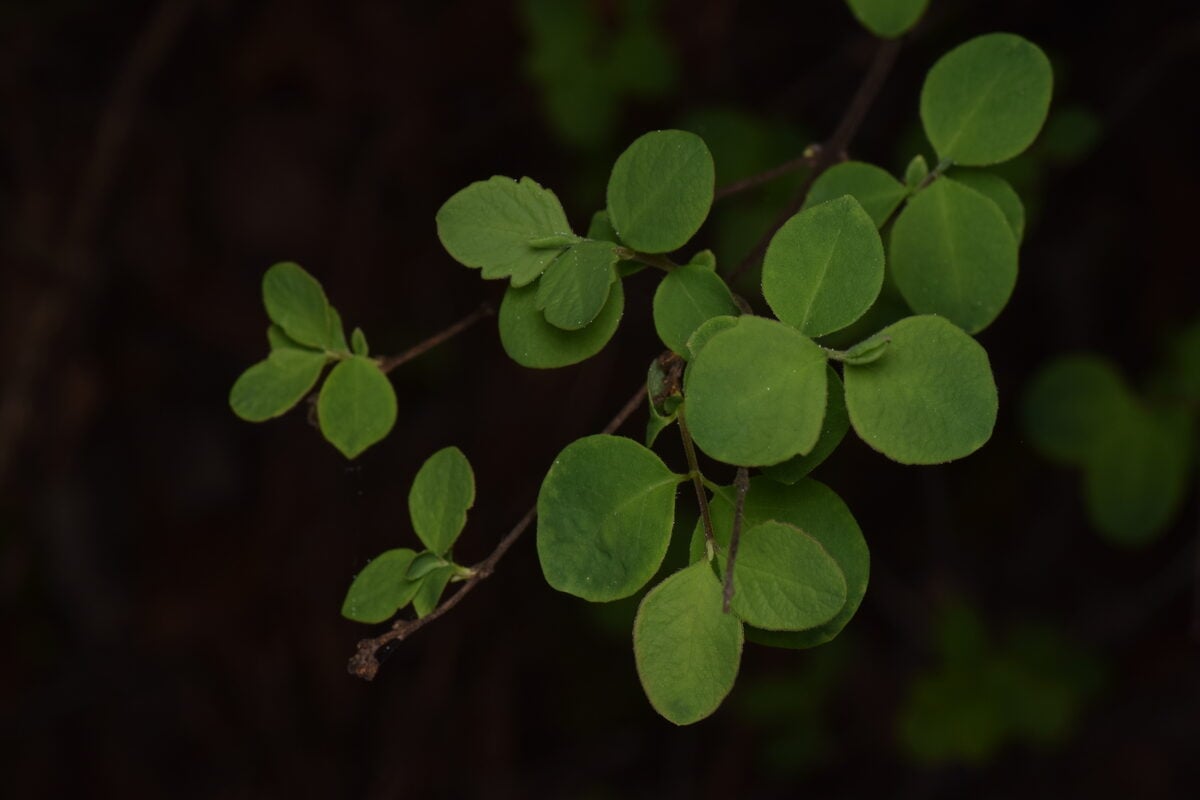
Symphoricarpos albus laevigatus - (Fernald.)S.F.Blake.
Snowberry
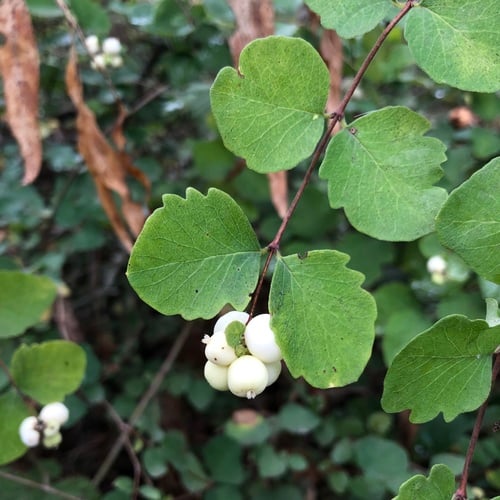
Symphoricarpos albus var. laevigatus
Common Snowberry, Coral-berry, Indian Currant
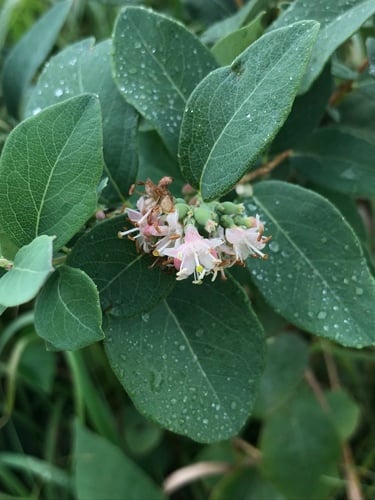
Symphoricarpos occidentalis
Western Snowberry, Wolfberry, Buckbush
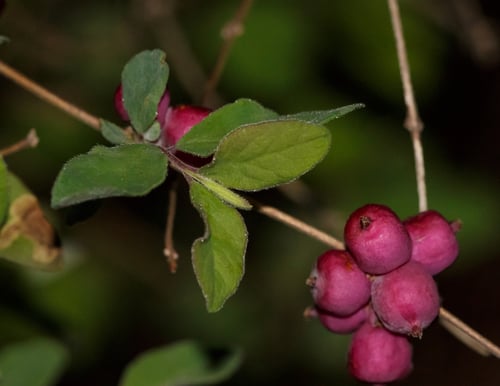
Symphoricarpos orbiculatus
Coralberry, Indian currant
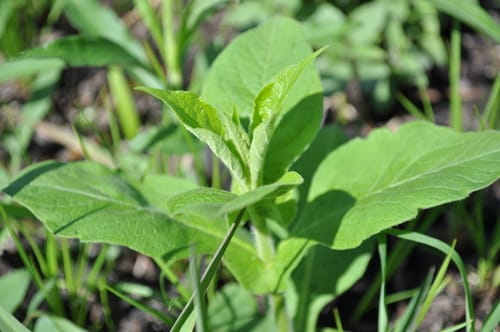
Triosteum perfoliatum
Fever root, Wild coffee, Tinker's weed