Valerianella chenopodifolia - (Pursh.)DC.
(Pursh.)DC.
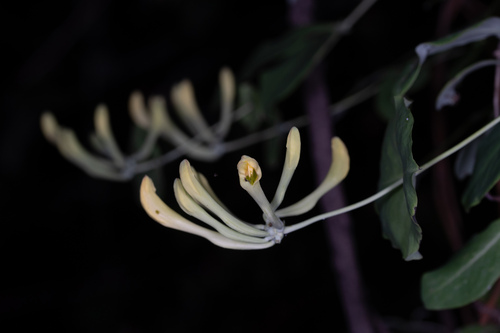
gbif· cc-by-nc
Chace Scholten
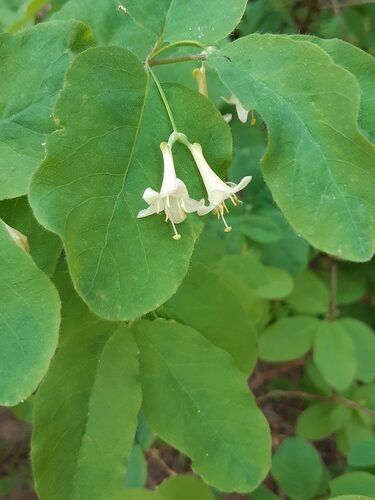
gbif· cc-by-nc
Summit Metro Parks
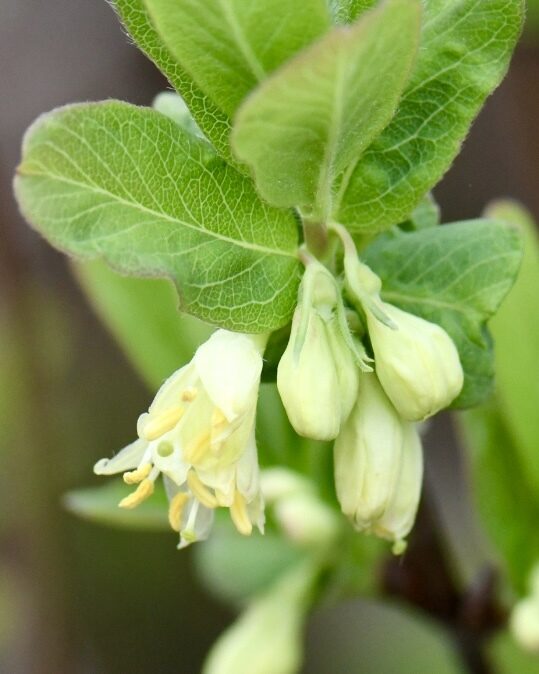
gbif· cc-by-nc
Summit Metro Parks
Description
Valerianella chenopodifolia is a ANNUAL growing to 0.6 m (2ft). It is not frost tender. The species is hermaphrodite (has both male and female organs). The plant is self-fertile. Suitable for: light (sandy), medium (loamy) and heavy (clay) soils. Suitable pH: mildly acid, neutral and basic (mildly alkaline) soils. It cannot grow in the shade. It prefers moist soil.
Edible Uses
Young leaves - raw or cooked.
Distribution
Eastern N. America - southwards from New Jersey and Kansas.
Where It Grows
Coming Soon
Cultivation
We have very little information on this species and do not know if it will be hardy in Britain. Its native range suggests that it will be able to be grown as a hardy annual, in fact it might be possible to make a late summer sowing and grow it as an over-wintering annual, but it should certainly succeed from a late spring sowing in situ. The following notes are based on the general needs of the genus. Prefers a fairly rich light soil.
Propagation
Seed - in order to obtain a continuous supply of salad leaves, it is best to sow the seed successionally from early spring to late summer in situ. A late summer sowing might also succeed, and this would supply edible leaves in the winter.