Valerianella discoidea
Loisel.
Lesser Cornsalad
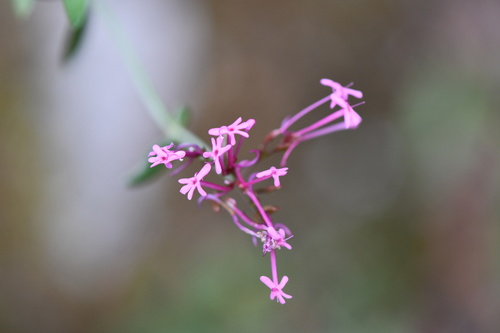
iNaturalist· cc-by-nc
(c) Sylvain Piry, some rights reserved (CC BY-NC), uploaded by Sylvain Piry
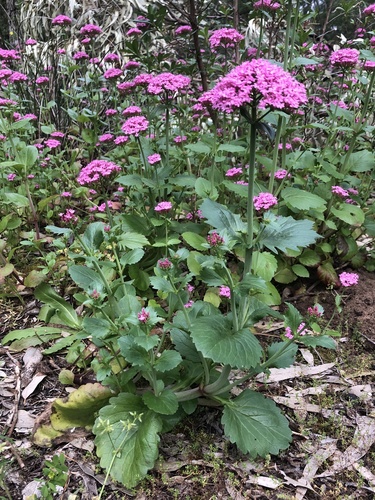
iNaturalist· cc-by-nc
(c) fotis-samaritakis, some rights reserved (CC BY-NC), uploaded by fotis-samaritakis
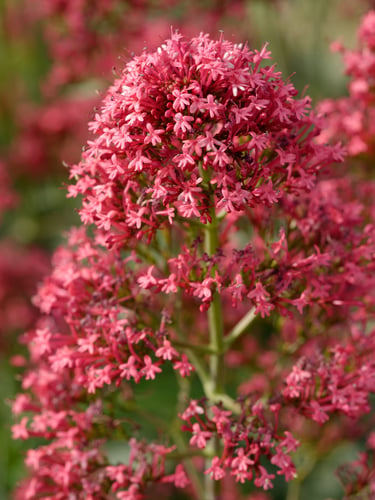
iNaturalist· cc-by
(c) Thomas Koffel, some rights reserved (CC BY), uploaded by Thomas Koffel
Description
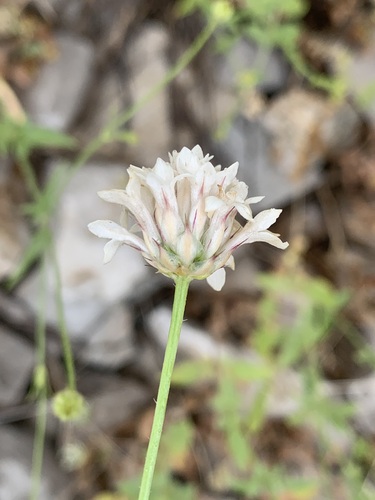
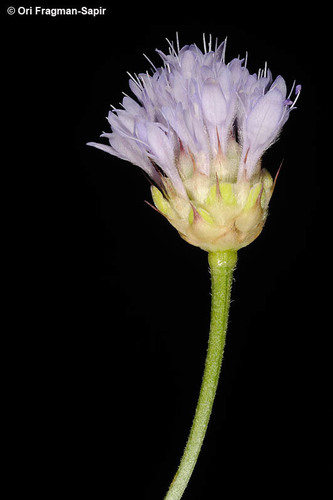
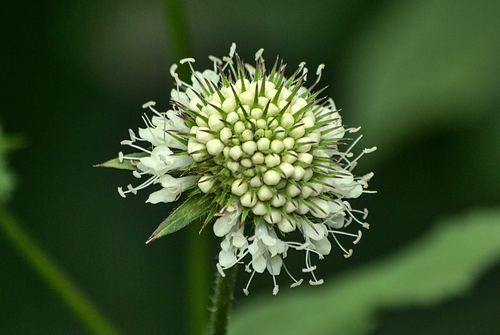
A short annual herb. It is usually without hairs. The stem is simple or can be branched from the base. The leaves are narrow and spoon shaped. The middle leaves have some teeth. The upper leaves are more narrow and lobed towards the base. The bracts are oval with a thin hairy edge. The flowers are pale mauve to blue. The fruit are 1.5-2 mm long. They have calyx lobes attached. The calyx cup is hairy inside.
Edible Uses
The leaves of young plants are eaten with bread and salt or in soups, and occasionally in salads, though they have a bitter taste.
Traditional Uses
The leaves of young plants are eaten with bread and salt or in soups. They are rarely used in salads. They have a bitter taste.
This uses section is brief — help expand it
Distribution
It grows on fallow land and rocky hillslopes.
Where It Grows
Africa, Australia, Europe, France, Greece, Italy, Mediterranean, North Africa, Portugal, Spain, Tunisia, Turkey, Türkiye,
Notes
Also put in the family Valerianaceae.
Also Known As
Djemir, Harra, Héliouat, Ibrat-n-tekouk, Khedana, Thioiunas
References (3)
- Blamey, M and Grey-Wilson, C., 2005, Wild flowers of the Mediterranean. A & C Black London. p 423
- BOUQUET,
- Lazarides, M. & Hince, B., 1993, Handbook of Economic Plants of Australia, CSIRO. p 244