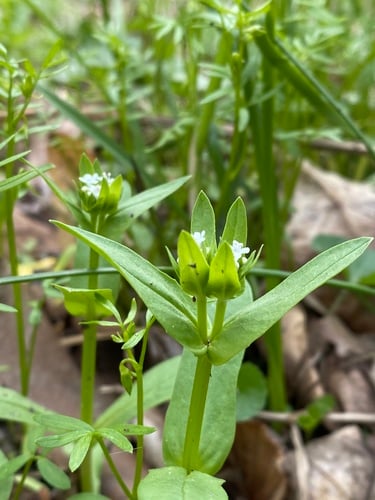
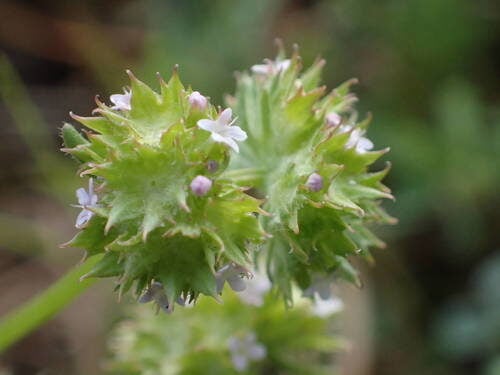
Valerianella carinata
Loisel.
Keeled-fruited cornsalad, European Cornsalad, Pancagiolo, Pancagiotto, Gallinella
iNaturalist· cc-by
(c) Eleftherios Katsillis, some rights reserved (CC BY), uploaded by Eleftherios Katsillis
iNaturalist· cc0
no rights reserved
Summary
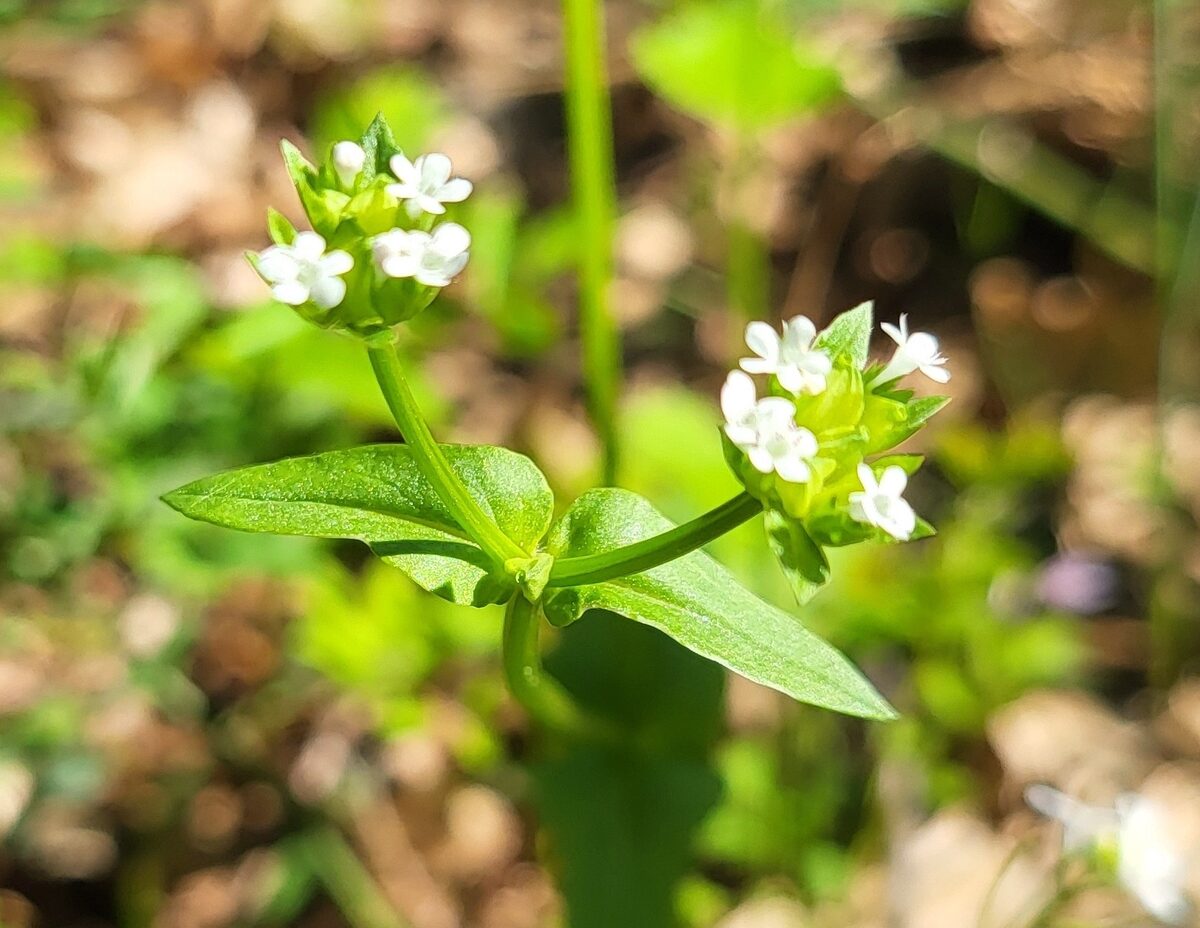
Valerianella carinata is a compact annual herb reaching 0.3 m in height. Not frost tender. Hermaphrodite and self-fertile. Grows in light sandy, medium loamy, and heavy clay soils across mildly acid to mildly alkaline pH ranges. Requires full sun and tolerates dry or moist soil conditions.
Description
Valerianella carinata is a compact annual herb reaching 0.3 m in height. Not frost tender. Hermaphrodite and self-fertile. Grows in light sandy, medium loamy, and heavy clay soils across mildly acid to mildly alkaline pH ranges. Requires full sun and tolerates dry or moist soil conditions.
Edible Uses
Young leaves are eaten raw.
Traditional Uses
The leaves are eaten raw in salads.
This uses section is brief — help expand it
Medicinal Uses
None known.
Distribution
It is a Mediterranean climate plant.
Where It Grows
Britain, Europe, Italy, Luxembourg, Mediterranean, Spain,
Cultivation
An easily grown plant, it prefers a fairly rich light soil.
Propagation
For a continuous supply of leaves, sow seed successionally from early spring to late summer in situ. A late summer sowing may also succeed and would provide edible leaves through winter.
Other Uses
None known.
Notes
There are 50 Valerianella species. Also put in the family Valerianaceae.
Also Known As
Canonigos
References (4)
- Pardo-de-Santayana, M., et al, 2007, Traditional knowledge of wild edible plants used in the northwest of the Iberian Peninsula (Spain and Portugal): a comparative study. Journal of Ethnobiology and Ethnomedicine 2007, 3:27
- Pieroni, A., 1999, Gathered wild food plants in the Upper Valley of the Serchio River (Garfagnana), Central Italy. Economic Botany 53(3) pp 327-341
- Plants for a Future database, The Field, Penpol, Lostwithiel, Cornwall, PL22 0NG, UK. http://www.scs.leeds.ac.uk/pfaf/
- Tardio, J., et al, Ethnobotanical review of wild edible plants in Spain. Botanical J. Linnean Soc. 152 (2006), 27-71