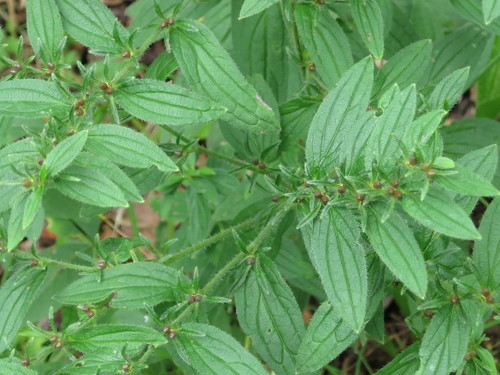
Symphytum tuberosum
L.
Tuberous comfrey
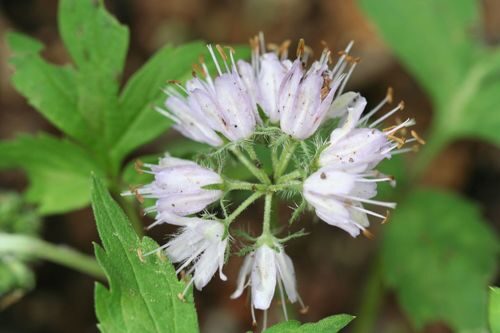
iNaturalist· cc-by-nc
(c) Gilberto Sánchez Jardón, some rights reserved (CC BY-NC), uploaded by Gilberto Sánchez Jardón
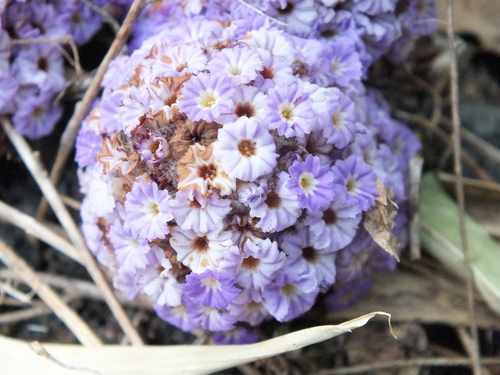
iNaturalist· cc-by-nc
(c) Alena, some rights reserved (CC BY-NC), uploaded by Alena
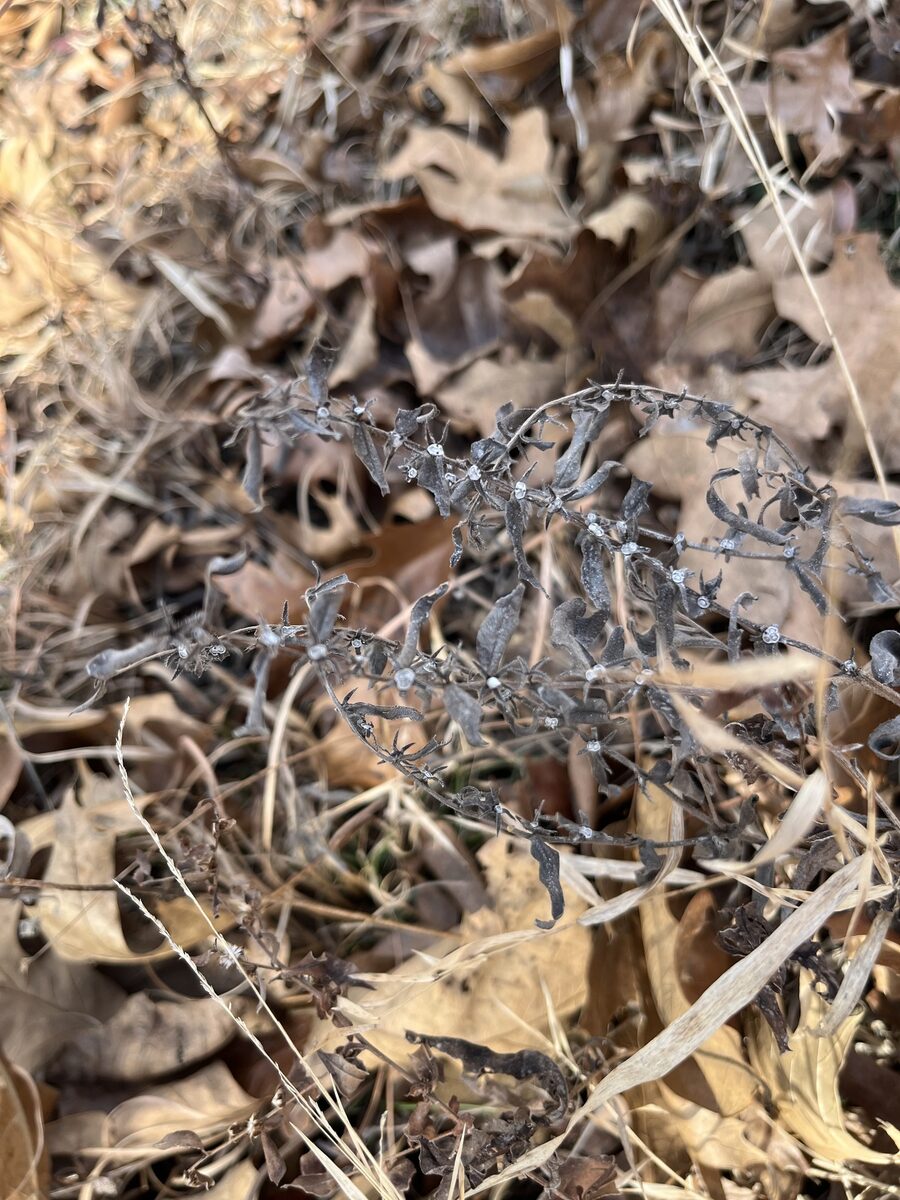
iNaturalist· cc-by
(c) Patrick Hacker, some rights reserved (CC BY), uploaded by Patrick Hacker
Summary
Source: WikipediaSymphytum tuberosum, the tuberous comfrey, is a species of Symphytum in the family Boraginaceae.
Description
A herb. It grows 45-60 cm high and spreads 90-100 cm wide. It forms tubers and keeps growing from year to year. The stems are hairy. The leaves are 25 cm long. The flowers are pale yellow and droop. Long green sepals cover half of the flower.
Edible Uses
The root can be used as a coffee substitute: roast it until brown and brittle, then grind it finely. It produces a drink with a smoothness not found in real coffee.
Traditional Uses
The leaves are used in vegetable soups. The roots are roasted then ground and used as a coffee substitute.
This uses section is brief — help expand it
Medicinal Uses
None known
Known Hazards
No reports of toxicity have been seen for this species, but the following reports have been seen for S. officinale. This plant contains small quantities of a toxic alkaloid which can have a cumulative effect upon the liver. Largest concentrations are found in the roots, leaves contain higher quantities of the alkaloid as they grow older and young leaves contain almost none. Most people would have to consume very large quantities of the plant in order to do any harm, though anyone with liver problems should obviously be more cautious. In general, the health-promoting properties of the plant probably far outweigh any possible disbenefits, especially if only the younger leaves are used.
Distribution
It is a temperate plant. It suits hardiness zones 5-10.
Where It Grows
Australia, Balkans, Bosnia, Europe, Italy, Mediterranean, North America, Slovenia, Turkey, Türkiye,
Cultivation
Tolerates most soils and situations but prefers a moist soil and some shade. Grows well in heavy clay soils. Hardy to about -20°c. Plants form extensive patches, spreading by means of a creeping tuberous rhizome. Plants are dormant in summer.
Propagation
Sow seed in spring or autumn in a cold frame. Prick seedlings into individual pots once large enough to handle and grow on in the greenhouse through their first winter. Plant out in late spring or early summer after the last expected frosts. With sufficient seed, an outdoor sowing in situ in spring can be attempted. Division works at almost any time of year — chop off the top 7cm of root just below soil level with a spade. The original root will regrow, and each of the removed root tops can be potted up or planted directly into a permanent position.
Other Uses
A good ground cover plant for shady borders or woodland, though it can sometimes spread rampantly.
Dangerous Lookalikes
This plant can be confused with the following toxic species. Always verify identification carefully before consuming any wild plant.
Foxglove
Digitalis purpurea
Jörg Hempel
Tuberous comfrey
Symphytum tuberosum
(c) Gilberto Sánchez Jardón, some rights reserved (CC BY-NC), uploaded by Gilberto Sánchez Jardón
Foxglove: Soft velvety hairy leaves, tall spike of tubular purple/pink spotted flowers, leaves feel like soft felt.
Tuberous comfrey: Rough/bristly hairy leaves, purple/blue drooping bell flowers, leaves feel like sandpaper.
Also Known As
Gomoljasti gabez, Salosso, Zuti gavez
References (8)
- Cundall, P., (ed.), 2004, Gardening Australia: flora: the gardener's bible. ABC Books. p 1385
- Ertug, F, Yenen Bitkiler. Resimli Türkiye Florası -I- Flora of Turkey - Ethnobotany supplement
- Facciola, S., 1998, Cornucopia 2: a Source Book of Edible Plants. Kampong Publications, p 52
- Hibbert, M., 2002, The Aussie Plant Finder 2002, Florilegium. p 295
- http://www.botanic-gardens-ljubljana.com/en/plants
Show all 8 references Hide references
- Pieroni, A., 1999, Gathered wild food plants in the Upper Valley of the Serchio River (Garfagnana), Central Italy. Economic Botany 53(3) pp 327-341
- Redzic, S. J., 2006, Wild Edible Plants and their Traditional Use in the Human Nutrition in Bosnia-Herzegovina. Ecology of Food and Nutrition, 45:189-232
- Sp. pl. 1:136. 1753