Symphytum officinale
L.
Common Comfrey, Knit-bones
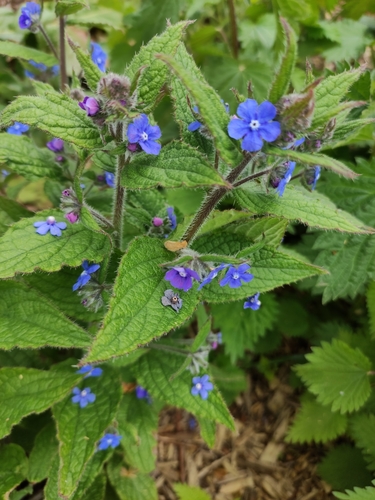
iNaturalist· cc-by-nc
(c) Matthieu Gauvain, some rights reserved (CC BY-NC), uploaded by Matthieu Gauvain
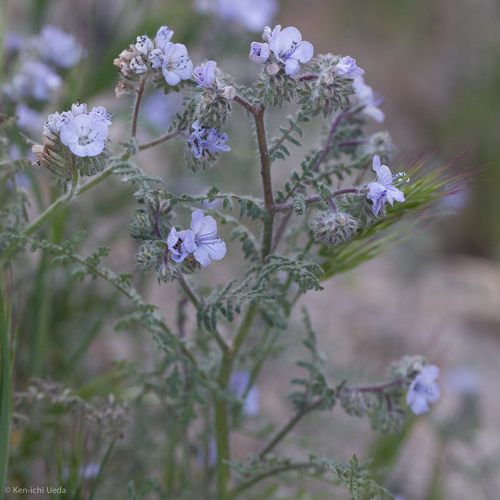
iNaturalist· cc-by-nc
(c) Valentina, some rights reserved (CC BY-NC), uploaded by Valentina
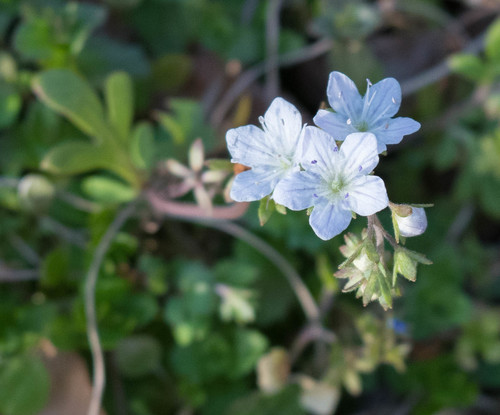
iNaturalist· cc-by
(c) aga_l_, some rights reserved (CC BY), uploaded by aga_l_
Summary
Source: WikipediaSymphytum officinale is a perennial flowering plant in the family Boraginaceae. Along with thirty four other species of Symphytum, it is known as comfrey (from the Latin confervere to 'heal' or literally to 'boil together', referring to uses in ancient traditional medicine). Internal or long-term topical use of comfrey is discouraged due to its strong potential to cause liver toxicity. To differentiate it from other members of the genus Symphytum, this species is known as common comfrey or true comfrey. Other English names include boneset, knitbone, consound, and slippery-root. It is native to Europe, growing in damp, grassy places. It is found throughout Ireland and Britain on river banks and ditches. It occurs in North America as an introduced species and weed. The flowers are mostly visited by bumblebees.
Description
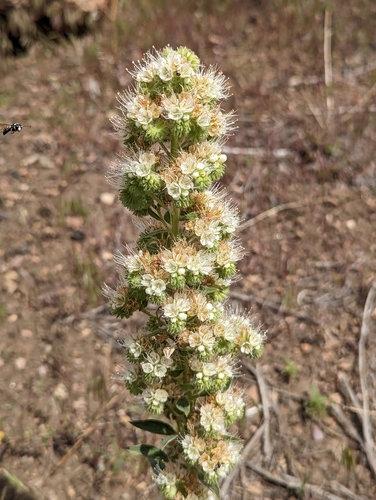
A low clumpy plant with large long rough leaves. A dense crown of leaves and shoots develops. Plants are 30-90 cm tall. Leaves are 30-60 cm long and 10-20 cm wide. Lower leaves have leaf stalks and are branched. The inner leaves do not have leaf stalks. The flower stalk has many flowers. The flowers are purple, red or yellowish white. The nutlets are black, oval, 3-4 mm across and smooth an shiny.
Edible Uses
Young leaves can be eaten raw or cooked, though most people find them unappealing — they are hairy, mucilaginous, and mineral-rich. Chopping them finely into salads helps reduce the noticeable hairiness. Young blanched shoots work as an asparagus substitute. Older leaves can be dried and used as a tea. Peeled roots can be cut and added to soups, and a tea is also made from dried leaves and roots combined. Roasted roots can be used alongside dandelion and chicory roots to make a coffee substitute.
Traditional Uses
The young leaves are cooked and eaten. They are also chopped and added to salads. They can be used in soups and fritters. The mature leaves are used to flavour cakes. The blanched stalks are used like asparagus. The peeled roots are cut and used in soups. Dried leaves and roots are used for tea. The roasted roots are mixed with chicory and dandelion to make coffee. CAUTION In some countries caution has been stressed (and bans imposed) about this plant because of toxic alkaloids in similar plants. These are pyrrolizidine alklaloids but probably have to be eaten in large amounts before they damaged the liver. The older leaves are bitter and should be avoided.
Medicinal Uses
Comfrey has a long-established history in herbal medicine. Both root and leaves are used — the root being the more active — and can be taken internally or applied externally as a poultice. It is particularly valued externally for cuts, bruises, sprains, sores, eczema, varicose veins, and broken bones, and internally for a wide range of pulmonary complaints and internal bleeding. The plant contains allantoin, a cell-proliferating compound that speeds healing and is now synthesized for use in pharmaceutical healing creams. The root and leaves are anodyne, mildly astringent, demulcent, emollient, expectorant, haemostatic, refrigerant, and vulnerary. External applications and internally taken teas or tinctures of the leaves are considered completely safe, but tablets or capsules taken internally are regarded as having too many drawbacks for safe use. Leaves are harvested in early summer before flowering; roots are harvested in autumn — both are dried for later use. A homeopathic remedy made from the fresh root (harvested before flowering) has a limited range of applications but is considered especially beneficial for broken bones and eye injuries. The German Commission E Monographs approve Symphytum officinale for the treatment of blunt injuries.
Known Hazards
Comfrey is mildly toxic. Like most Boraginaceae, it contains pyrrolizidine alkaloids which are toxic compounds readily absorbed via the stomach or skin, and have potential to increase the risk of fatal liver toxicity. In 2001, the US Food and Drug Administration and Federal Trade Commission banned the sale of comfrey products for internal use and use on open wounds due to its potential toxicities. A 2018 review on pyrrolizidine alkaloids present in comfrey indicated widespread potential toxicity to humans and livestock, and the opportunity for drug development from these compounds.
Distribution
It is a temperate plant. It grows satisfactorily from sea level up to at least 2200 m altitude in the tropics. It will grow in very poor soil. In Argentina it grows below 500 m above sea level. It suits hardiness zones 3-9. In Hobart Botanical gardens.
Where It Grows
Africa, Argentina, Asia, Australia, Balkans, Bosnia, Britain, Canada, Central Africa, Central Asia, China, Congo DR, Cuba, Czech Republic, Dominican Republic, East Africa, Europe, Haiti, Hawaii, Hungary, India, Kazakhstan, Korea, Kyrgyzstan, Lithuania, Luxembourg, Macedonia, Madagascar, New Zealand, North America, Norway, Pacific, Papua New Guinea, PNG, Philippines, Poland, Russia, Scandinavia, SE Asia, Slovakia, Slovenia, South Africa, Southern Africa, South America, St Lucia, Switzerland, Taiwan, Tajikistan, Tasmania, Turkmenistan, USA, Uzbekistan, West Indies, Zimbabwe,
Cultivation
Tolerates most soils and situations but prefers a moist soil and some shade. Grows well in heavy clay soils. Best grown in an open sunny site in a deep rich soil if it is being grown for compost material. Plants can be invasive, often spreading freely by means of self-sown seed. The root system is very deep and difficult to eradicate, even small fragments of root left in the soil can produce new plants. Thick or swollen - fibrous or tap root. The leaves can be harvested in late spring to early summer (May to June, Northern Hemisphere) when they are young and tender. Comfrey flowers from late spring to early summer (May to June, Northern Hemisphere). Comfrey is a fast-growing perennial herb, capable of reaching full size within a few months of planting. It can produce multiple harvests per growing season. Symphytum officinale (Common Comfrey) is self-fertile, meaning it can produce seeds from its pollen without cross-pollination. However, it is also pollinated by bees and other insects, which can enhance seed production. Many comfrey cultivars, especially Bocking 14, are sterile and do not set seed, but the wild-type species can self-fertilise.
Propagation
Sow seed in spring or autumn in a cold frame. Prick seedlings into individual pots once large enough to handle and grow on in the greenhouse through their first winter. Plant out in late spring or early summer after the last expected frosts. With sufficient seed, an outdoor sowing in situ in spring can be attempted. Division works at almost any time of year — chop off the top 7cm of root just below soil level with a spade. The original root will regrow, and each of the removed root tops can be potted up or planted directly into a permanent position.
Other Uses
Comfrey is an excellent dynamic accumulator, drawing nutrients from deep in the soil and making them available in a more bioavailable form. It tolerates multiple cuts per year and produces large quantities of biomass quickly. Wilted leaves can be layered at the bottom of potato trenches or applied as mulch in no-dig gardens as an instant compost source. Soaking the leaves in a small amount of water for a week produces a liquid feed rich in potassium, ideal for tomatoes. The leaves are also a valuable addition to the compost heap. A gum from the roots was historically used in the treatment of wool before spinning. Comfrey flowers are nectar-rich and known to attract pollinators including bees. The plant's broad leaves and leaf litter provide microhabitat and overwintering sites for beneficial insects and other invertebrates.
Other Information
It is a commercially cultivated vegetable. It occurs quite widely throughout Papua New Guinea in small amounts and is probably increasing in importance because it grows so easily.
Notes
The number of chromosomes varies considerably. There are about 25 Symphytum species. Wild comfrey has pyrrolizidine alkaloid and the cancer causing chemical symphytine.
Dangerous Lookalikes
This plant can be confused with the following toxic species. Always verify identification carefully before consuming any wild plant.
Foxglove
Digitalis purpurea
Jörg Hempel
Common Comfrey
Symphytum officinale
(c) Matthieu Gauvain, some rights reserved (CC BY-NC), uploaded by Matthieu Gauvain
Foxglove: Soft velvety hairy leaves, tall spike of tubular purple/pink spotted flowers, leaves feel like soft felt.
Common Comfrey: Rough/bristly hairy leaves, purple/blue drooping bell flowers, leaves feel like sandpaper.
Synonyms
Also Known As
Consuelda, Feketenadaly, Gavez crni, Ju he cao, Konsoda, Konsolida, Madunica, Medunica, Nadalyto, Navadni gabez, Riebesaknis, Valurt
References (44)
- Abbet, C., et al, 2014, Ethnobotanical survey on wild alpine food plants in Lower and Central Valais (Switzerland). Journal of Ethnopharmacology 151 (2014) 624–634
- Bodkin, F., 1991, Encyclopedia Botanica. Cornstalk publishing, p 960
- Bremness, L., 1994, Herbs. Collins Eyewitness Handbooks. Harper Collins. p 219
- Brickell, C. (Ed.), 1999, The Royal Horticultural Society A-Z Encyclopedia of Garden Plants. Convent Garden Books. p 991
- Burnie, G & Fenton-Smith, J., 1999, A Grower's Guide to Herbs. Murdoch Books. p 26
Show all 44 references Hide references
- Cerne, M., 1992, Wild Plants from Slovenia used as Vegetables. Acta Horticulturae 318
- Cundall, P., (ed.), 2004, Gardening Australia: flora: the gardener's bible. ABC Books. p 1385
- Esperanca, M. J., 1988. Surviving in the wild. A glance at the wild plants and their uses. Vol. 1. p 249
- Facciola, S., 1998, Cornucopia 2: a Source Book of Edible Plants. Kampong Publications, p 51
- French, B.R., 1986, Food Plants of Papua New Guinea, A Compendium. Asia Pacific Science Foundation p 93
- Girard, N. J., 2020, Sustainable Foraging of Wild Edible Plants in Norway. A Biocultural Approach. M. Sc. thesis Norwegian University. p 129
- Grubben, G. J. H. and Denton, O. A. (eds), 2004, Plant Resources of Tropical Africa 2. Vegetables. PROTA, Wageningen, Netherlands. p 565
- Hedrick, U.P., 1919, (Ed.), Sturtevant's edible plants of the world. p 637
- Hibbert, M., 2002, The Aussie Plant Finder 2002, Florilegium. p 295
- Hirono, I., 1993, Edible Plants Containing Naturally Occurring Carcinogens in Japan. Jpn. J. Cancer Res. 84, 997-1006
- http://www.botanic-gardens-ljubljana.com/en/plants
- Irving, M., 2009, The Forager Handbook, A Guide to the Edible Plants of Britain. Ebury Press p 69
- Jackes, D. A., 2007, Edible Forest Gardens
- Karhagomba, I. B., et al, 2013, The cultivation of wild food and medicinal plants for improving community livelihood: The case of the Buhozi site, DR Congo. Nutrition Research and Practice (Nutr Res Pract) 2013;7(6):510-518
- Kays, S. J., and Dias, J. C. S., 1995, Common Names of Commercially Cultivated Vegetables of the World in 15 languages. Economic Botany, Vol. 49, No. 2, pp. 115-152
- Kermath, B. M., et al, 2014, Food Plants in the Americas: A survey of the domesticated, cultivated and wild plants used for Human food in North, Central and South America and the Caribbean. On line draft. p 845
- Kiple, K.F. & Ornelas, K.C., (eds), 2000, The Cambridge World History of Food. CUP p 1761
- Lazarides, M. & Hince, B., 1993, Handbook of Economic Plants of Australia, CSIRO. p 232
- Lim, T. K., 2015, Edible Medicinal and Non Medicinal Plants. Volume 9, Modified Stems, Roots, Bulbs. Springer p 80
- Luczaj, L., 2012, Ethnobotanical review of wild edible plants of Slovakia. Acta Societatis Botanicorum Poloniae 81(4):245-255
- Łukasz Łuczaj and Wojciech M Szymański, 2007, Wild vascular plants gathered for consumption in the Polish countryside: a review. J Ethnobiol Ethnomedicine. 3: 17
- Mabey, R., 1973, Food for Free. A Guide to the edible wild plants of Britain, Collins. p 101
- Miguel, E., et al, 1989, A checklist of the cultivated plants of Cuba. Kulturpflanze 37. 1989, 211-357
- Paczkowska, G. & Chapman, A.R., 2000, The Western Australian Flora. A Descriptive Catalogue. Western Australian Herbarium. p 184
- Palmeiri, V. S., & Geisa, M. G., 2019, Las plantas comestibles empleadas por las comunidades comechingonas de San Marcos Sierras (Córdoba, Argentina). Primeras aproximaciones. Bol. Soc. Argent. Bot. 54: 295-309.
- Plants for a Future database, The Field, Penpol, Lostwithiel, Cornwall, PL22 0NG, UK. http://www.scs.leeds.ac.uk/pfaf/
- Plants of Haiti Smithsonian Institute http://botany.si.edu
- Prakofjewa, J., et al, 2023, Boundaries Are Blurred: Wild Food Plant Knowledge Circulation across the Polish-Lithuanian-Belarusian Borderland. Biology 2023, 12, 571.
- Razanameharizaka, J., et al, 2022, Catalogue Legumes Traditionnels de Madagascar. Université d’Antananarivo, Antananarivo (101), Madagascar. Vol. 1. p 29
- Redzic, S. J., 2006, Wild Edible Plants and their Traditional Use in the Human Nutrition in Bosnia-Herzegovina. Ecology of Food and Nutrition, 45:189-232
- Ruiters-Welcome, A. K., 2019, Food plants of southern Africa. Ph.D. thesis. Univ. of Johannesburg p 38
- Simkova, K. et al, 2014, Ethnobotanical review of wild edible plants used in the Czech Republic. Journal of Applied Botany and Food Quality 88, 49-67
- Skinner, G. & Brown, 1981, C., Simply Living. A gatherer's guide to New Zealand's fields, forests and shores. Reed. p 8
- Sp. pl. 1:136. 1753
- Staples, G.W. and Herbst, D.R., 2005, A tropical Garden Flora. Bishop Museum Press, Honolulu, Hawaii. p 200
- van Wyk, Be., & Gericke, N., 2007, People's plants. A Guide to Useful Plants of Southern Africa. Briza. p 76
- Welcome, A. K. & Van Wyk, B.-E., 2019, An inventory and analysis of the food plants of southern Africa. South African Journal of Botany 122 (2019) 136–179
- World Checklist of Useful Plant Species 2020. Royal Botanic Gardens, Kew
- Zhu Ge-ling; Harald Riedl, Rudolf Kamelin, BORAGINACEAE, Flora of China