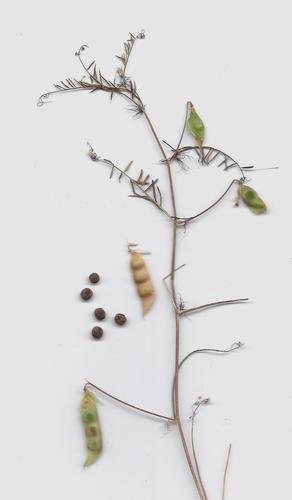
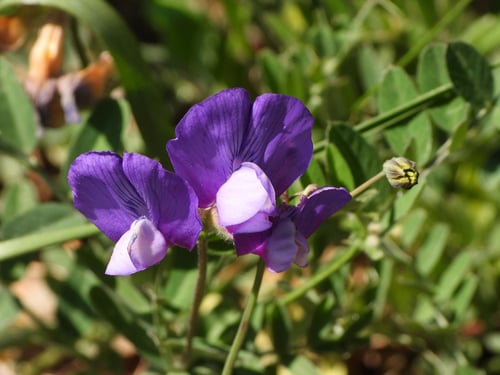
Lathyrus polymorphus
Nutt.
Manystem Peavine, Hoary pea
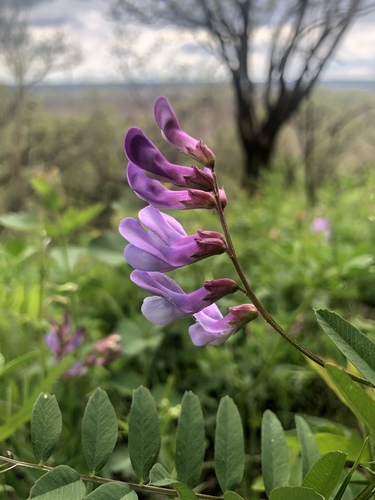
gbif· cc-by-nc
Daniela Varela Zepeda
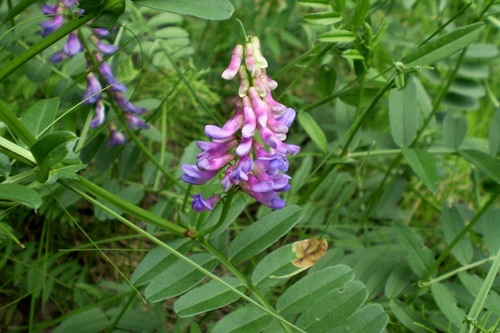
gbif· cc-by-nc
Daniela Varela Zepeda
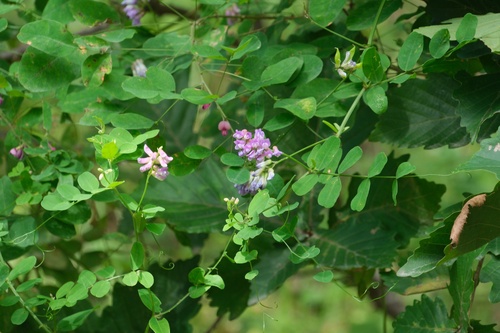
gbif· cc-by-nc
Jeff Steele
Description
Lathyrus polymorphus is a PERENNIAL growing to 0.4 m (1ft 4in). It is in flower from June to July, and the seeds ripen from July to August. The species is hermaphrodite (has both male and female organs) and is pollinated by Insects. It can fix Nitrogen. Suitable for: light (sandy), medium (loamy) and heavy (clay) soils. Suitable pH: mildly acid, neutral and basic (mildly alkaline) soils. It cannot grow in the shade. It prefers moist soil.
Edible Uses
Seedpods and seeds. No more details are given.
Known Hazards
Although no records of toxicity have been found for this plant, the seed of some species in this genus contain a toxic amino acid that can cause a severe disease of the nervous system known as 'lathyrism' if they are eaten in large amounts (although small quantities are said to be nutritious). Great caution is advised.
Distribution
Western N. America - Idaho and Colorado to Arizona and New Mexico.
Where It Grows
NORTHERN AMERICA: United States (Kansas, Nebraska, Oklahoma, South Dakota (southwest), Colorado (east), New Mexico (east), Texas)
Cultivation
We have very little information on this species and do not know if it will be hardy in Britain. The following notes are based on the general needs of the genus. An easily grown plant, succeeding in any moderately good garden soil but preferring a position in full sun. This species has a symbiotic relationship with certain soil bacteria, these bacteria form nodules on the roots and fix atmospheric nitrogen. Some of this nitrogen is utilized by the growing plant but some can also be used by other plants growing nearby.
Propagation
Pre-soak the seed for 24 hours in warm water and then sow in early spring in a cold frame. When they are large enough to handle, prick the seedlings out into individual pots and plant them out in the summer. If you have sufficient seed, then it can also be sown in situ in mid spring. Division in spring. It may not transplant well so care should be taken.