Vicia amoena
Fisch.
iNaturalist· cc-by-nc
(c) Богинский Евгений Иванович, some rights reserved (CC BY-NC), uploaded by Богинский Евгений Иванович
iNaturalist· cc-by-nc
(c) alopecurus, some rights reserved (CC BY-NC)
Summary
Source: WikipediaVicia amoena, the lovely vetch, is a plant species in the genus Vicia.
Description
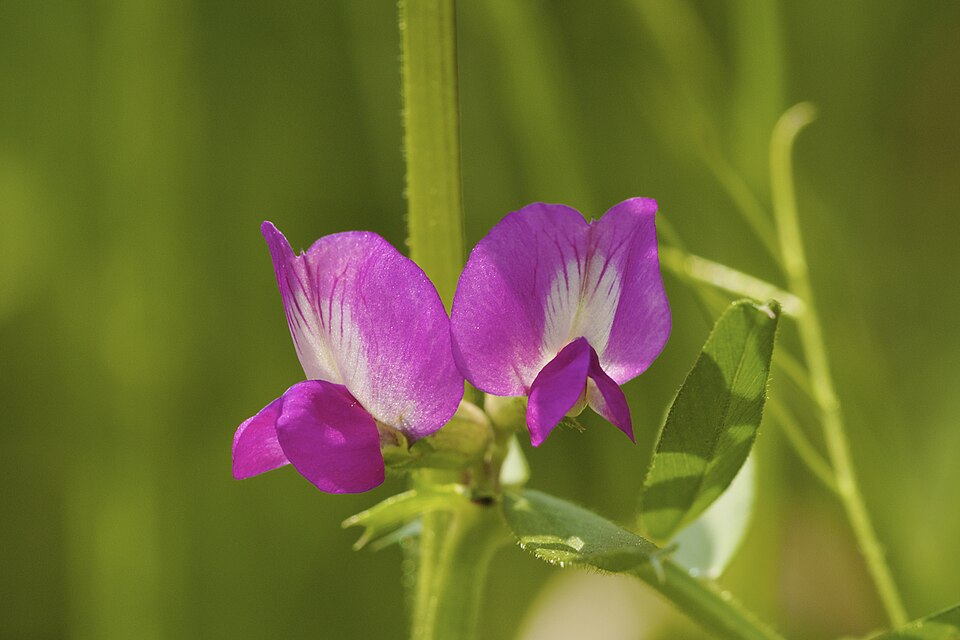
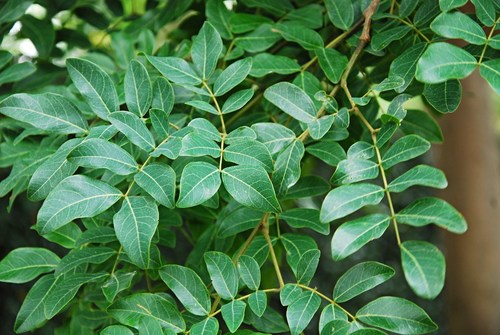
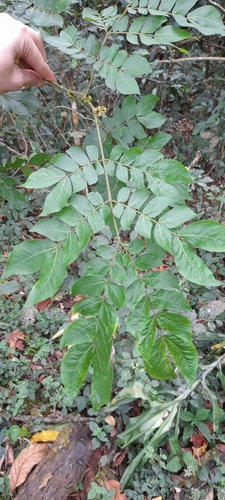
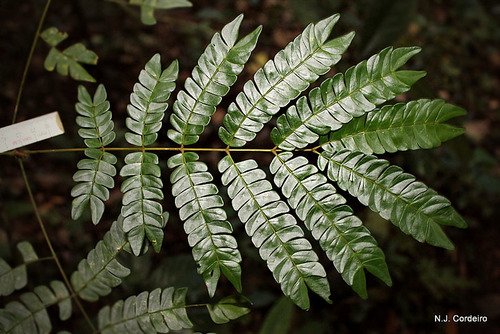
A herb. It keeps growing from year to year. It grows 30-100 cm tall. The stems are slender and branched. The leaves have leaflets along the stalk. The leaves are 5-12 cm long. There are 4-7 pairs of leaflets and these are oval and 13-40 mm long by 5-18 mm wide. They are hairy underneath. There are 10-20 flowers in group. They are blue, purple, red or white. The pods are 18-26 mm long by 4-6 mm wide. There are 1-6 seeds.
Edible Uses
Young leaves can be cooked and eaten.
Medicinal Uses
None known
Known Hazards
None known
Distribution
It is a temperate climate plant. It grows in Inner Mongolia in China. It grows on dry slopes between sea level to 4,000 m above sea level across China. In Sichuan and Yunnan.
Where It Grows
Asia, Central Asia, China, Japan, Kazakhstan, Korea, Mongolia, Russia, Siberia, Tibet,
Cultivation
We have very little information on this species and do not know if it will be hardy in Britain, though judging by its native range it should succeed outdoors in many parts of the country. It is closely related to V. japonica. The following notes are based on the general needs of the genus. Succeeds in any well-drained soil in a sunny position if the soil is reliably moist throughout the growing season, otherwise it is best grown in semi-shade. This species has a symbiotic relationship with certain soil bacteria, these bacteria form nodules on the roots and fix atmospheric nitrogen. Some of this nitrogen is utilized by the growing plant but some can also be used by other plants growing nearby.
Propagation
Pre-soak seed for 24 hours in warm water, then sow in situ in spring or autumn.
Other Uses
None known
Notes
There are about 140 Vicia species. They are mostly temperate.
References (5)
- A. P. de Candolle, Prodr. 2:355. 1825
- Hwang, H., et al, 2013, A Study on the Flora of 15 Islands in the Western Sea of Jeollanamdo Province, Korea. Journal of Asia-Pacific Biodiversity Vol. 6, No. 2 281-310
- Plants for a Future database, The Field, Penpol, Lostwithiel, Cornwall, PL22 0NG, UK. http://www.scs.leeds.ac.uk/pfaf/
- Urgamal, M., Oyuntsetseg, B., Nyambayar, D. & Dulamsuren, Ch. 2014. Conspectus of the vascular plants of Mongolia. (Editors: Sanchir, Ch. & Jamsran, Ts.). Ulaanbaatar, Mongolia. “Admon“ Press. 334pp. (p. 121-143).
- Wujisguleng, W., & Khasbagen. K., 2010, An integrated assessment of wild vegetable resources in Inner Mongolian Autonomous Region, China. Journal or Ethnobiology and Ethnomedicine 6:34