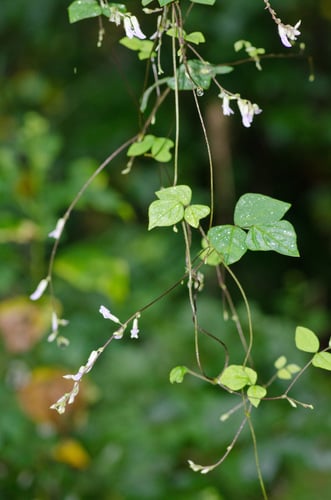
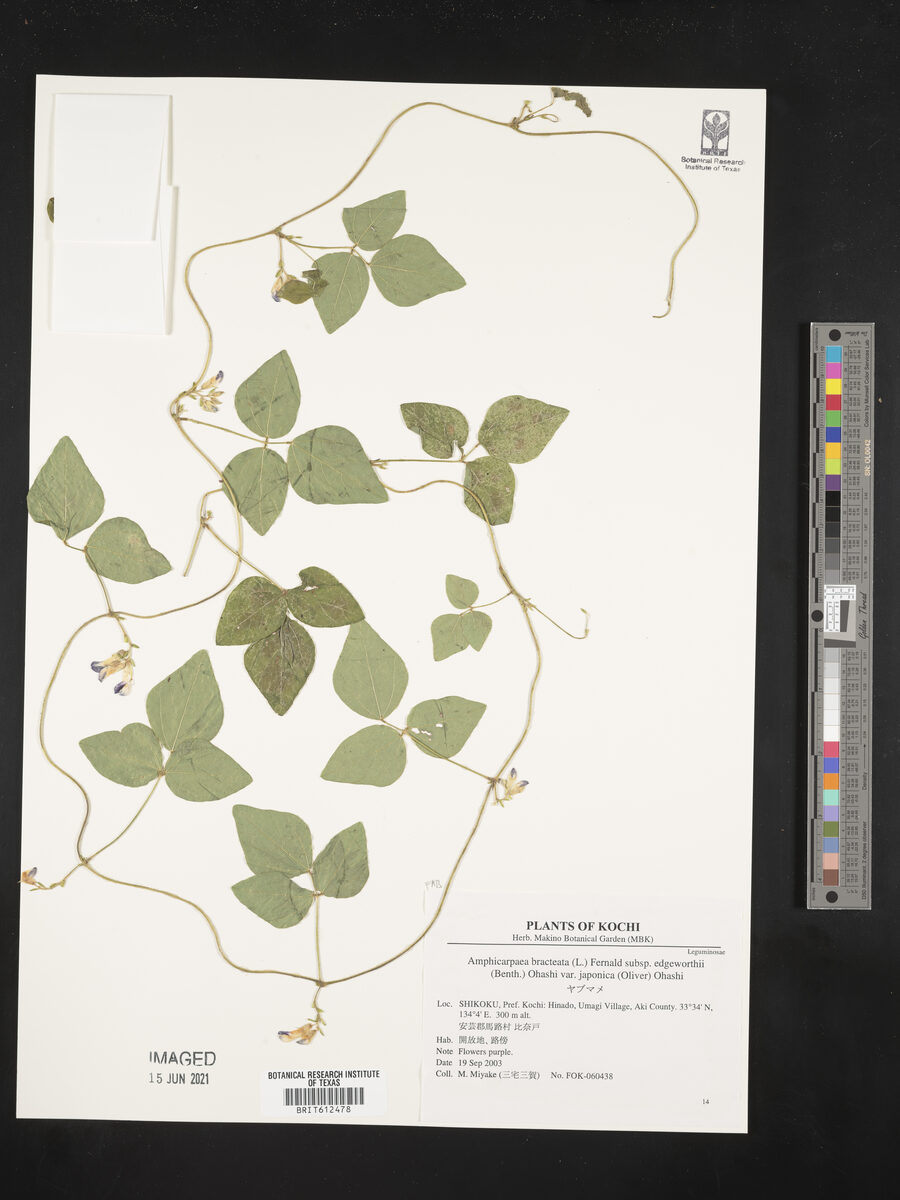
Cullen corylifolium - (L.) Medik.
(L.) Medik.
Bu Gu Zhi
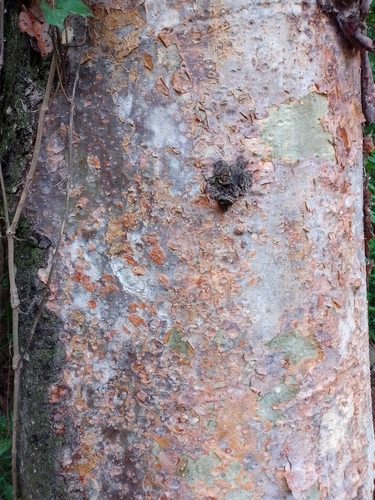
gbif· cc-by-nc
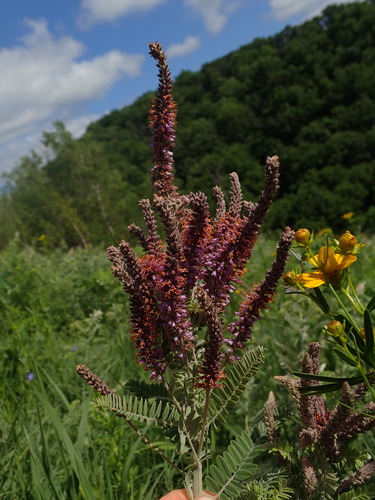
Jayant M Deshpande
gbif· cc-by-nc
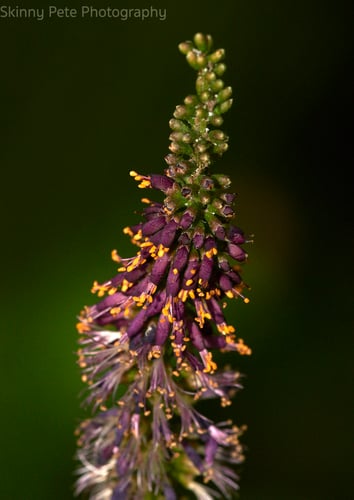
Jayant M Deshpande
gbif· cc-by-nc
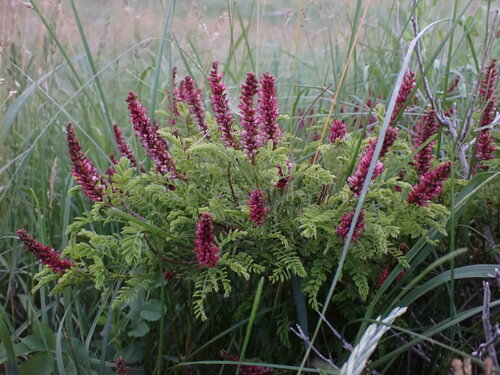
abhilare
Description
Cullen corylifolium is a PERENNIAL growing to 0.6 m (2ft) by 0.6 m (2ft in) at a fast rate. See above for USDA hardiness. It is hardy to UK zone 10. The flowers are pollinated by Insects. Suitable for: light (sandy), medium (loamy) and heavy (clay) soils and prefers well-drained soil. Suitable pH: mildly acid, neutral and basic (mildly alkaline) soils. It cannot grow in the shade. It prefers moist soil.
Edible Uses
Seed.
Medicinal Uses
Anthelmintic Antibacterial Aphrodisiac Astringent Cardiac Cytotoxic Deobstruent Diaphoretic Diuretic Febrifuge Leprosy Odontalgic Skin Skin Stimulant Stomachic TonicBu Gu Zhi is valued in Chinese herbal medicine as a tonic remedy and is used to improve general vitality. Modern research has shown that it is also of value in the treatment of skin disorders, including vitiligo. Some caution should be employed when applying the herb externally, however, since it can sensitise the skin and cause an allergic reaction to sunlight. The one-seeded fruits (or the seed plus the seedpod) are highly regarded as an aphrodisiac and tonic to the genital organs. The seed is anthelmintic, antibacterial, aphrodisiac, astringent, cardiac, cytotoxic, deobstruent, diaphoretic, diuretic, stimulant, stomachic and tonic[ 4 , 147 , 176 , 178 , 218 , 240 ]. It is used in the treatment of febrile diseases, premature ejaculation, impotence, lower back pains, frequent urination, incontinence, bed wetting etc. It is also used externally to treat various skin ailments including leprosy, leucoderma and hair loss. The seed and fruit contain psoralen. This causes the skin to produce new pigment when exposed to sunlight and is used for treating vitiligo and psoriasis. The antibacterial action of the fruit inhibits the growth of Mycobacterium tuberculos. The fruit is gathered when ripe in the autumn and can be dried for later use. The root is used for treating dental caries. The plant yields a useful medicinal oleoresin, it treats kidney disorders, impotence, premature ejaculation, lumbago etc[ 4 , 147 , 176 , 178 ].
Known Hazards
Although no specific mention of toxicity for this species has been found, at least some members of this genus contain furanocoumarins, these substances can cause photosensitivity in some people.
Distribution
E. Asia - southern China, India, Sri Lanka, Bangladesh, Myanmar, Malaysia, and Indonesia.
Where It Grows
TEMPERATE ASIA: Oman, China (Sichuan Sheng, Yunnan Sheng) TROPICAL ASIA: India, Sri Lanka, Pakistan, Laos, Myanmar, Vietnam AFRICA: Somalia
Cultivation
Succeeds in an ordinary garden soil. Requires a well-drained soil in a sunny position. Plants are very intolerant of root disturbance, they are best planted out into their permanent positions whilst still small. This species has a symbiotic relationship with certain soil bacteria, these bacteria form nodules on the roots and fix atmospheric nitrogen. Some of this nitrogen is utilized by the growing plant but some can also be used by other plants growing nearby.
Propagation
Pre-soak the seed for 24 hours in warm water and then sow in individual pots or pot up the young seedlings as soon as possible in order to avoid root disturbance. Grow them on in the pots until planting out in their final positions. It is usually impossible to transplant this species without fatal damage to the root. Division with great care since the plant resents root disturbance. It is virtually impossible to divide this species successfully.
Other Uses
Hair Other Uses: None known
Synonyms
Also Known As
Cullen corylifolium, commonly known as Bu Gu Zhi.