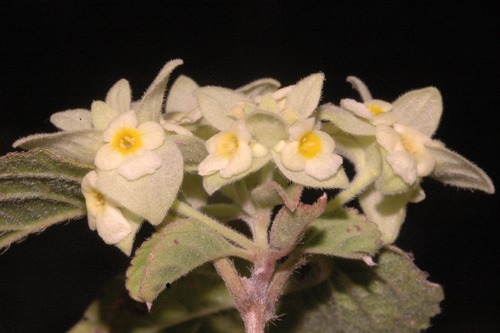
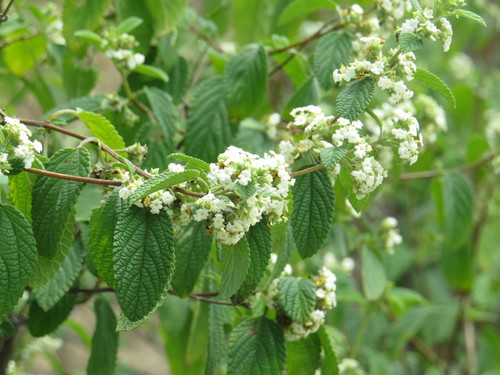
Clerodendrum cyrtophyllum
Turcz.
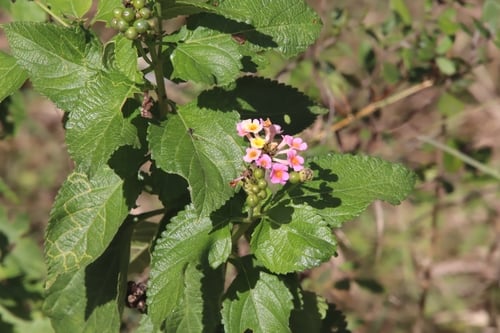
iNaturalist· cc-by-nc
(c) 陳育賢, some rights reserved (CC BY-NC), uploaded by 陳育賢
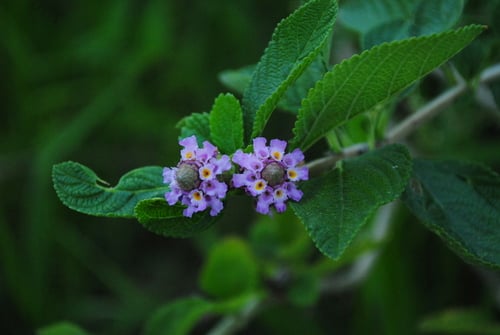
iNaturalist· cc-by-nc-nd
(c) Sunnetchan, some rights reserved (CC BY-NC-ND), uploaded by Sunnetchan
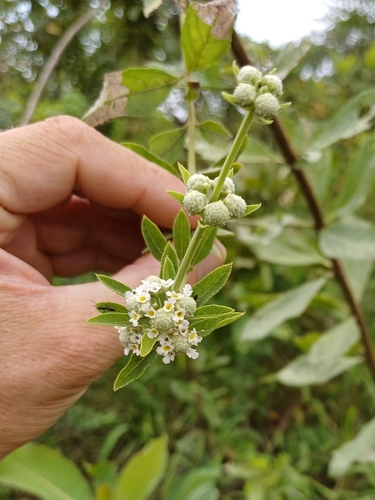
iNaturalist· cc-by-nc-nd
(c) 蕭小飄, some rights reserved (CC BY-NC-ND), uploaded by 蕭小飄
Description
Clerodendrum cyrtophyllum is a deciduous Shrub growing to 3 m (9ft 10in). The species is hermaphrodite (has both male and female organs) and is pollinated by Insects. Suitable for: light (sandy), medium (loamy) and heavy (clay) soils and prefers well-drained soil. Suitable pH: mildly acid, neutral and basic (mildly alkaline) soils. It cannot grow in the shade. It prefers moist soil.
Edible Uses
Young leaves - cooked. Eaten as a vegetable. The leaves have a bitter flavour and are eaten at least as much for their tonic affect upon the digestive system as for any appeal to the taste buds.
Medicinal Uses
Antipyretic Depurative Diuretic. The leaves and roots are antipyretic, depurative, diuretic. They have an antibacterial action, inhibiting the growth of Bacillus dysenteriae, Meningococcus and spirochaetes.
Distribution
E. Asia - Southern and western China.
Where It Grows
TEMPERATE ASIA: China (Anhui Sheng, Fujian Sheng, Guangdong Sheng, Guangxi Zhuangzu Zizhiqu, Guizhou Sheng, Hainan Sheng, Henan Sheng, Hubei Sheng, Hunan Sheng, Jiangxi Sheng, Sichuan Sheng, Yunnan Sheng, Zhejiang Sheng), Korea, Taiwan TROPICAL ASIA: Vietnam, Malaysia
Cultivation
We have very little information on this species and do not know if it will be hardy in Britain, though judging by its native range it should succeed outdoors in many parts of this country. The following notes are based on the general needs of the genus. Succeeds in a sunny position in ordinary garden soil but prefers a fertile humus-rich well-drained soil. The soil must not be allowed to dry out in the growing season. Requires a position sheltered from cold drying winds. Plants can be cut to the ground in severe winters but they usually resprout from the base, especially if they have been well mulched, they will then flower in late summer. Flowers are produced on the current seasons growth.
Propagation
Seed - best sown as soon as possible in a greenhouse. Germination can be erratic but usually takes place within 20 - 60 days at 20°c. When large enough to handle, prick the seedlings out into individual pots and grow them on in the greenhouse for at least their first winter. Plant them out in late spring or early summer after the last expected frosts. Root cuttings, 6 - 8cm long, December in a greenhouse. High percentage. Division of suckers in the dormant season. Very easy, they can be planted out direct into their permanent positions if required.