Cicuta virosa
L.
Cowbane, Mackenzie's water hemlock
iNaturalist· cc-by
(c) Элеонора Анатольевна, some rights reserved (CC BY), uploaded by Элеонора Анатольевна
iNaturalist· cc-by-nc
(c) Марина Королева, some rights reserved (CC BY-NC), uploaded by Марина Королева
iNaturalist· cc-by-nc
(c) Dina Nesterkova, some rights reserved (CC BY-NC), uploaded by Dina Nesterkova
Description
Cicuta virosa is a PERENNIAL growing to 1.2 m (4ft). It is in flower from July to August. The species is hermaphrodite (has both male and female organs) and is pollinated by Bees, flies. The plant is self-fertile. Suitable for: light (sandy), medium (loamy) and heavy (clay) soils. Suitable pH: mildly acid, neutral and basic (mildly alkaline) soils. It can grow in semi-shade (light woodland) or no shade. It prefers moist or wet soil.
Edible Uses
One report says that the boiled leaves have been eaten. This is very unwise, see the notes above on toxicity.
Medicinal Uses
Analgesic Antispasmodic Emetic Epilepsy Galactofuge Sedative. The root is analgesic, antispasmodic, emetic, galactofuge and sedative. The whole plant is highly toxic and is not used in herbal medicine. A homeopathic remedy has been made from this plant in the past. It was used in the treatment of epilepsy, meningitis and other ailments affecting the brain.
Known Hazards
A very poisonous plant, even a small bite can be lethal. The active ingredient is called cicutoxin, it is a spasmodic with a high toxicity to the central nervous system. It causes death by respiratory paralysis.
Distribution
Northern and central Europe, including Britain, east to Japan.
Where It Grows
TEMPERATE ASIA: Georgia, Russian Federation-Western Siberia (Western Siberia), Russian Federation-Eastern Siberia (Eastern Siberia), Kazakhstan (east), Kyrgyzstan, Uzbekistan, Mongolia, Russian Federation (Primorye, Kamcatskij kraj, Sakhalin), China (Gansu Sheng, Hebei Sheng, Heilongjiang Sheng, Jilin Sheng, Liaoning Sheng, Nei Mongol Zizhiqu, Shaanxi Sheng, Sichuan Sheng, Xinjiang Uygur Zizhiqu), Japan (Hokkaidô, Honshu, Kyushu, Shikoku) TROPICAL ASIA: India (Jammu and Kashmir) NORTHERN AMERICA: Canada (Northwest Territories (southwest), Yukon, Ontario (north), Québec (northwest), Alberta, British Columbia (north), Manitoba (north), Saskatchewan (north)), United States (Alaska) EUROPE: Denmark, Finland, United Kingdom, Ireland, Norway, Sweden, Austria, Belgium, Switzerland, Czech Republic, Germany, Hungary, Netherlands, Poland, Slovakia, Russian Federation (European part), Belarus, Estonia, Lithuania, Latvia, Moldova, Ukraine, Bulgaria, Greece, Croatia, Italy (north), Romania, Serbia, Slovenia, France
Cultivation
Prefers a moist or wet acid soil.
Propagation
Seed - sow spring or autumn in a cold frame. When they are large enough to handle, prick the seedlings out into individual pots and plant them out into their permanent positions in the summer. If you have sufficient seed, outdoor sowings in situ could be tried in the spring and the autumn.
More from Apiaceae
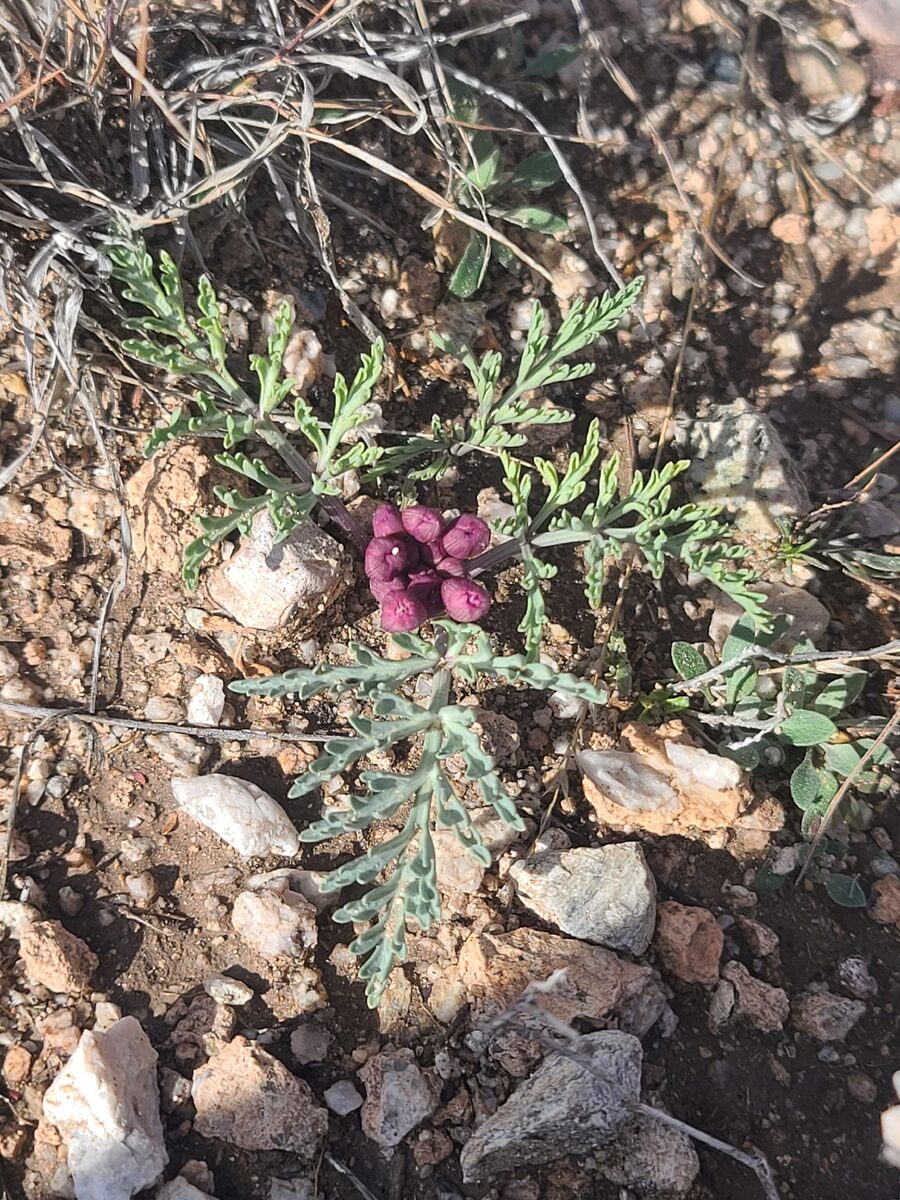
Vesper multinervatus - (J.M.Coult. & Rose) R.L.Hartm. & G.L.Nesom
Purplenerve Wavywing
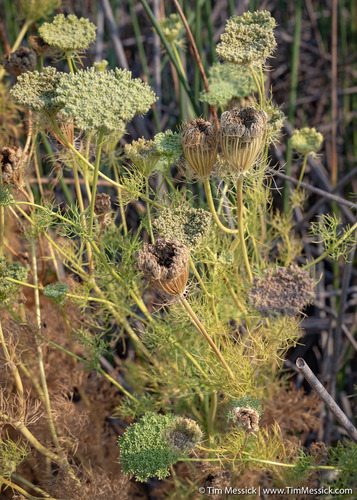
Visnaga daucoides
Visnaga, Bisnaga, Toothpick weed
Wendia pastinacifolia
ZZZ Conium maculatum
Hemlock, Poison hemlock, Herb Bennet
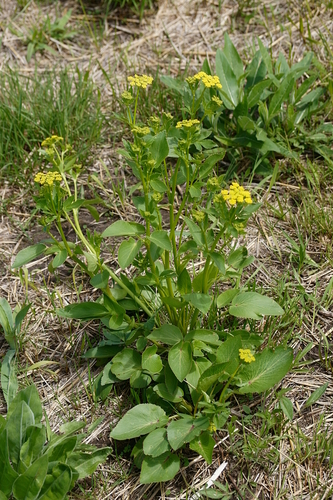
Zizia aptera
Golden alexanders
Zizia aurea - (L.)Koch.
Golden Alexanders, Golden zizia