Orobanche ludoviciana
Nutt.
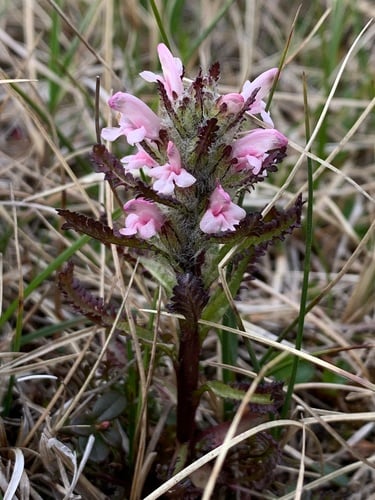
iNaturalist· cc-by-nc
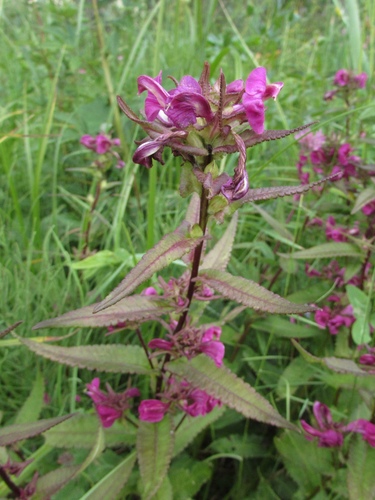
(c) Jason Headley, some rights reserved (CC BY-NC)
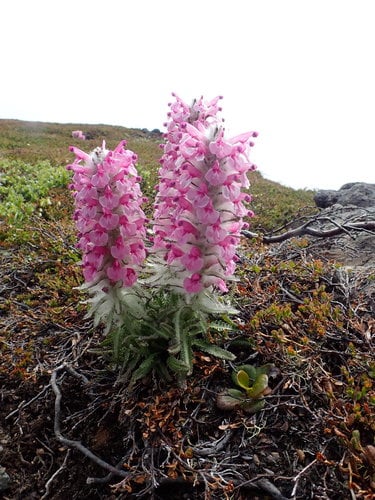
iNaturalist· cc-by-nc
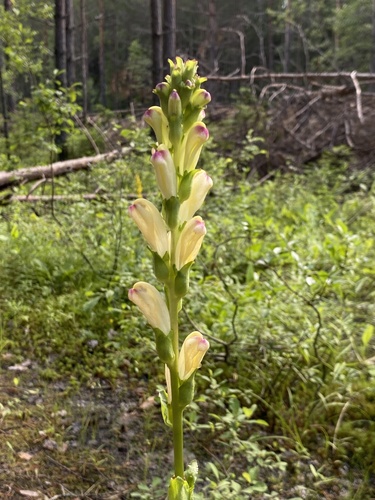
(c) Jason Headley, some rights reserved (CC BY-NC)
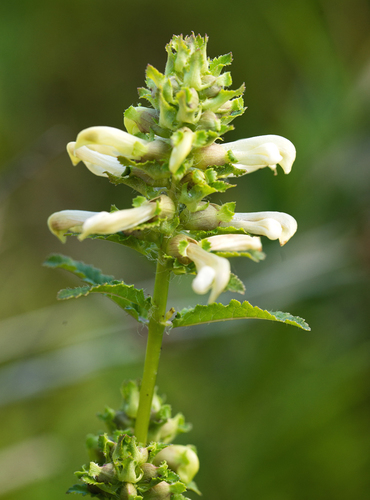
iNaturalist· cc-by-nc
(c) Jason Headley, some rights reserved (CC BY-NC)
Summary
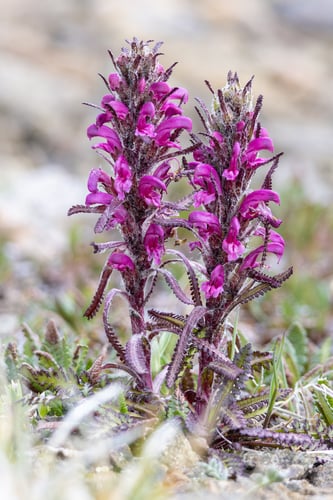
Source: WikipediaOrobanche ludoviciana, the Louisiana broomrape or prairie broom-rape, is a species of plant in the family Orobanchaceae. It was first described and named by Thomas Nuttall in 1818. This species is parasitic on neighboring plants via its roots; common host species include gumweed and wormwoods, though some other Asteraceae are also used. They grow from 1-3 dm often without branches. Leaves are scales and numerous. The inflorescences are many-flowered spikes that occupy a half to a third of the shoot. Flowers sessile or with small up to 15mm pedicels for the lower flowers. Calyx subtended by 1 or 2 bracts, which are bilabiate. Corolla is 1.5-2.5 cm and often a violet-like color. 2n=24, 48, 72, 96. It typically grows in sandy soil. It grows throughout the central plains of North America and northwest into British Columbia and Oregon. Found from June through August.
Description
A perennial reaching 1.5 m (5 ft) tall with hermaphrodite flowers. Adapts to light sandy, medium loamy, and heavy clay soils with good drainage preferred. Grows in mildly acidic, neutral, or basic soils and tolerates full shade, partial shade, or open sun. Prefers moist conditions.
Edible Uses
The root is eaten roasted. The base of young stems is also roasted and eaten.
Traditional Uses
The young sprouts are covered with ashes and baked and the lower part eaten.
This uses section is brief — help expand it
Medicinal Uses
The chewed plant has been used as a dressing on wounds. A poultice made from the stems has been used to treat ulcerated sores.
Known Hazards
Weedy (See weed potential)
Distribution
It is a temperate plant.
Where It Grows
North America, USA,
Cultivation
A fully parasitic plant lacking in chlorophyll depends entirely on its host plant to obtain nutrients. Since A. ludovicianum is an obligate parasite, the conditions for its growth are entirely dependent on the host species. It is not possible to advocate a regimen for care. Note: Researchers in North America have attempted the cultivation of several species of Aphyllon with little success, including A. ludovicianum.
Propagation
No specific information is available for this species, but sowing seed in a greenhouse in a pot containing a host plant is suggested. Seed is probably best sown as soon as ripe where possible. It may also be feasible to sow seed in situ around a host plant.
Other Uses
None known.
Synonyms
References (2)
- Kermath, B. M., et al, 2014, Food Plants in the Americas: A survey of the domesticated, cultivated and wild plants used for Human food in North, Central and South America and the Caribbean. On line draft. p 592
- Moerman, D. F., 2010, Native American Ethnobotany. Timber Press. p 370