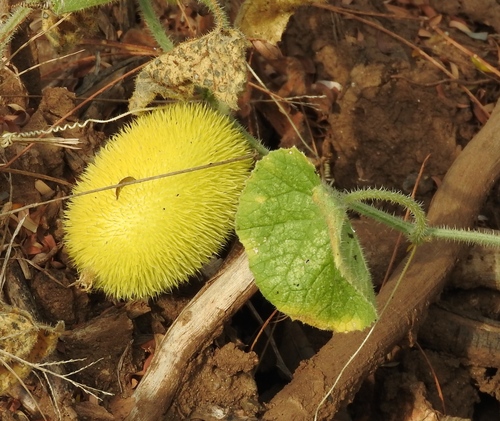
Bryonia dioica
Jacq.
Red Bryony, Cretan bryony
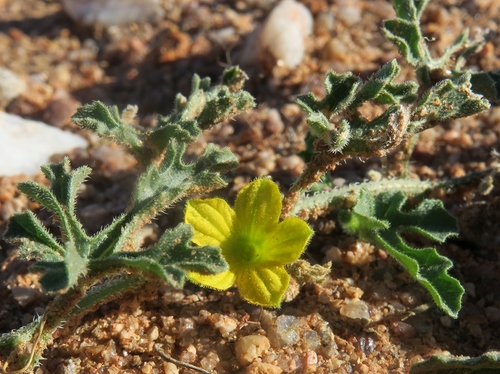
wikimedia· cc-by-sa
Olivier Pichard (via Wikimedia Commons)
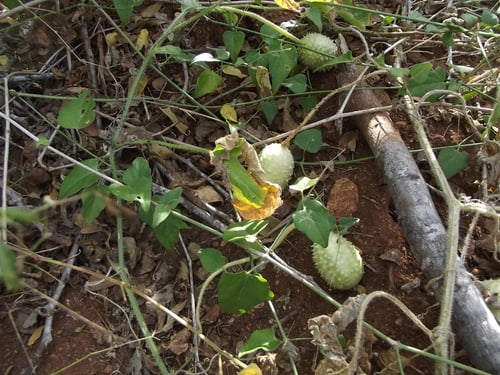
wikimedia· cc-by-sa
TristramBrelstaff (via Wikimedia Commons)
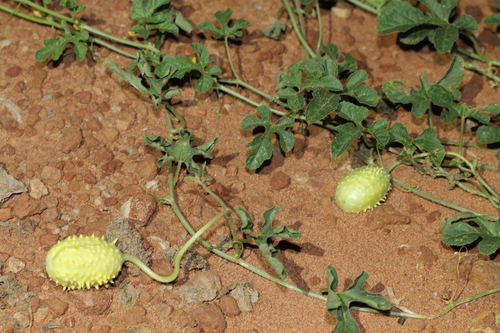
wikimedia· cc-by-sa
H. Zell (via Wikimedia Commons)
Description
Bryonia dioica is a PERENNIAL CLIMBER growing to 3.5 m (11ft) by 3 m (9ft) at a fast rate. See above for USDA hardiness. It is hardy to UK zone 6. It is in flower from May to June. The species is dioecious (individual flowers are either male or female, but only one sex is to be found on any one plant so both male and female plants must be grown if seed is required). and is pollinated by Bees. The plant is not self-fertile. Suitable for: light (sandy), medium (loamy) and heavy (clay) soils and prefers well-drained soil. Suitable pH: neutral and basic (mildly alkaline) soils. It can grow in semi-shade (light woodland) or no shade. It prefers moist soil.
Edible Uses
Young shoots - must be cooked. They are eaten in spring. Caution is advised in the use of this plant, see the notes above regarding toxicity.
Medicinal Uses
Cathartic Cytotoxic Diaphoretic Expectorant Hydrogogue Irritant Pectoral Purgative VermifugeA powerful cathartic and purgative, bryony is used with great caution in present-day herbalism. It is primarily prescribed for painful rheumatic conditions. The root is cathartic, cytotoxic, diaphoretic, expectorant, hydrogogue, irritant, pectoral, purgative and vermifuge[4, 9, 19, 21, 46, 165]. It is used in small quantities internally in the treatment of various inflammatory conditions, bronchial complaints, asthma, intestinal ulcers, hypertension and arthritis. Externally, it is applied as a rubefacient to muscular and joint pains and pleurisy. The root, which can be 75cm long and 75mm thick, can be used fresh at any time of the year, it can also be harvested in the autumn and be dried for later use. This plant should be used with great caution and only under the supervision of a qualified practitioner. See the notes above on toxicity. The whole herb has an antiviral effect.
Known Hazards
All parts of the plant are poisonous. One report says it is very toxic, another says it is of very low toxicity. The fresh root is a severe skin irritant.
Distribution
Central and southern Europe, including Britain, to N. Africa and W. Asia.
Where It Grows
EUROPE: Denmark, United Kingdom, Austria, Belgium, Switzerland, Czech Republic, Germany, Hungary, Netherlands, Slovakia, Albania, Bulgaria, Croatia, Italy (incl. Sicily), Montenegro, Slovenia, Spain, France, Portugal AFRICA: Algeria, Morocco, Tunisia
Cultivation
A rapid grower, it is of easy cultivation succeeding in most soils that are well drained, avoiding acid soils in the wild. Prefers a sunny position. A very deep-rooted climbing plant, attaching itself to other plants by means of tendrils. The plant is not eaten by rabbits. Plants can be easily encouraged by scattering ripe seed along the base of hedgerows. Dioecious, male and female plants must be grown if seed is required.
Propagation
Seed - best sown as soon as it is ripe in a cold frame. Sow stored seed in late winter in a cold frame. When large enough to handle, prick the seedlings out into individual pots and grow them on in the greenhouse for at least their first winter, planting them out into their permanent positions in late spring or early summer, after the last expected frosts. Division in early spring.