Cucumis anguria var. longaculeatus
L., J. H. Kirkbr.
Wild cucumber, Gooseberry gourd
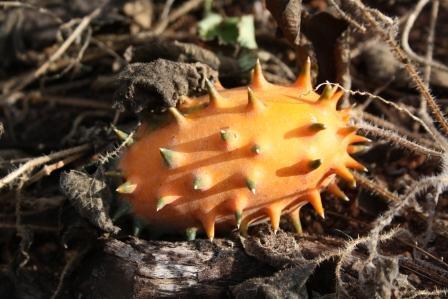
iNaturalist· cc-by-nc
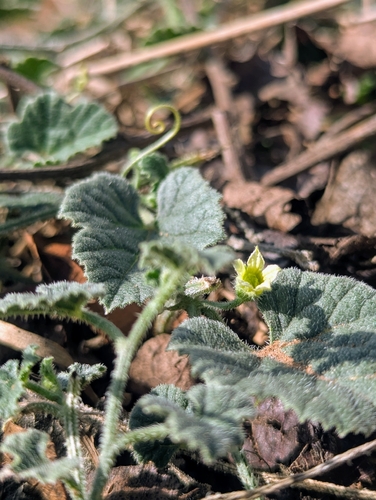
(c) Germaine Alexander Parada, some rights reserved (CC BY-NC), uploaded by Germaine Alexander Parada
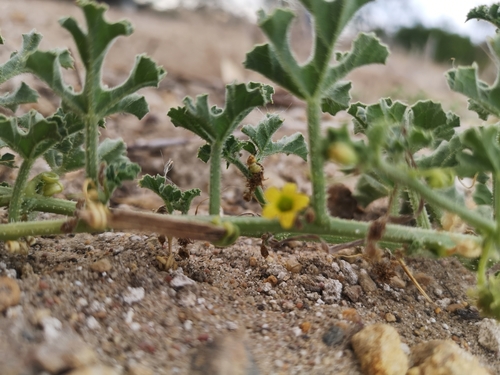
iNaturalist· cc-by-nc
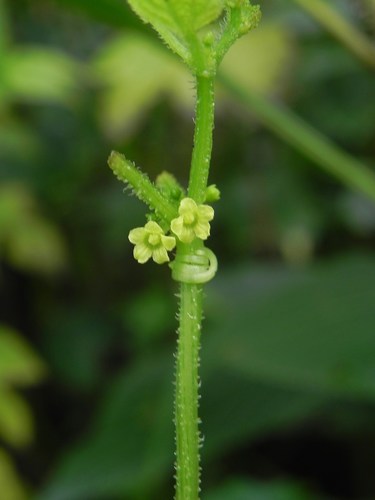
(c) Luis Humberto Vicente-Rivera, some rights reserved (CC BY-NC), uploaded by Luis Humberto Vicente-Rivera
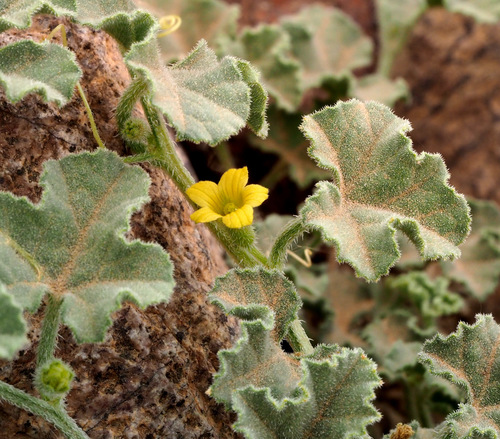
iNaturalist· cc-by-nc
(c) Erick Noe Tapia Banda, some rights reserved (CC BY-NC), uploaded by Erick Noe Tapia Banda
Summary
Source: WikipediaCucumis anguria, commonly known as maroon cucumber, West Indian gherkin, maxixe, burr gherkin, cackrey, and West Indian gourd, is a vine that is indigenous to Africa, but has become naturalized in the New World, and is cultivated in many places. It is similar and related to the common cucumber (C. sativus) and its cultivars are known as gherkins.
Description
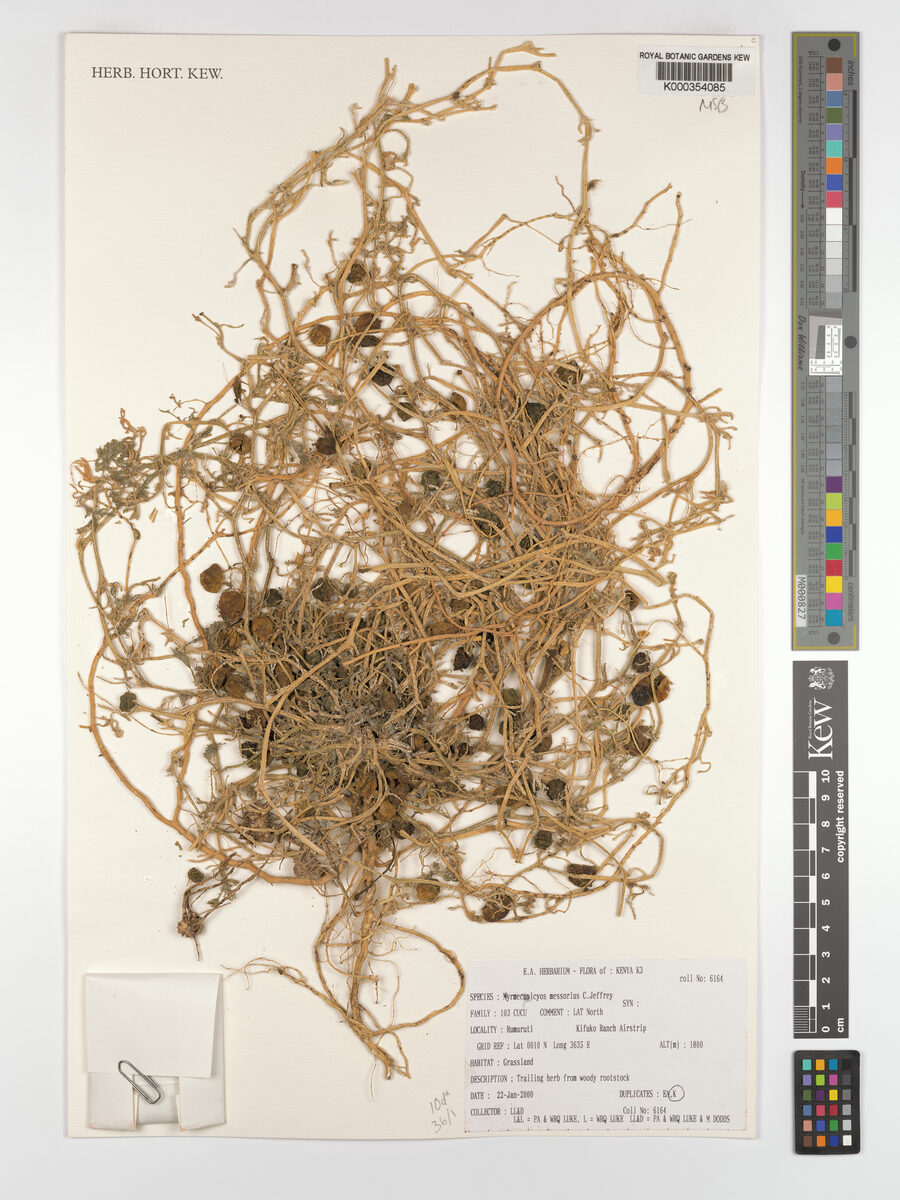
A herb. It lies along the ground and can be a climber. It can be 3 m long. The leaf blade is 3-10 cm long by 4-13 cm wide. It is broadly oval.
This description is brief — help expand it
Edible Uses
Young leaves are cooked and eaten as a vegetable. The fruit are eaten raw, used in soups and vegetable dishes, or dried and cooked with maize porridge. Seeds are also edible.
Traditional Uses
The young leaves are cooked and eaten as a vegetable. The fruit are eaten raw and used in soups and vegetable dishes. The dried fruit are cooked together with maize porridge.
Medicinal Uses
Cucumis anguria is primarily grown (as a crop plant) for its edible fruit, which is used in pickling, as cooked vegetables, or eaten raw. The flavor is similar to that of the common cucumber. C. anguria fruits are popular in the northeast and north of Brazil, where they are an ingredient in the local version of cozido (meat-and-vegetable stew). Cucumis anguria has been used in folk medicine to treat ailments of the stomach.
Distribution
It is a subtropical plant. It grows in hot arid areas with a marked dry season. It grows between 10-1,675 m above sea level. It can grow in arid places.
Where It Grows
Africa, Botswana, Eswatini, Namibia, Southern Africa, Swaziland,
Cultivation
Plants are grown from seeds. Non bitter varieties are selected.
Also Known As
Agurkie, Elopaf, Kanjampara, Muthangavhavhe, Onyase, Tch'a, Tshinyagu, Tshiphaswi
References (2)
- Magwede, K., van Wyk, B.-E., & van Wyk, A. E., 2019, An inventory of Vhavenḓa useful plants. South African Journal of Botany 122 (2019) 57–89
- Royal Botanic Gardens, Kew (1999). Survey of Economic Plants for Arid and Semi-Arid Lands (SEPASAL) database. Published on the Internet; http://www.rbgkew.org.uk/ceb/sepasal/internet [Accessed 16th April 2011]