Artemisia carruthii
Alph.Wood ex Carruth.
Carruth Wormwood
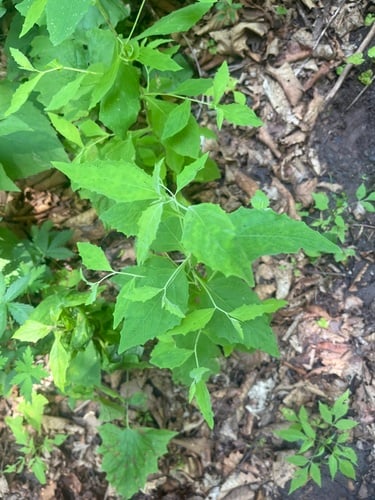
iNaturalist· cc-by-nc
(c) Lena Zappia, some rights reserved (CC BY-NC), uploaded by Lena Zappia
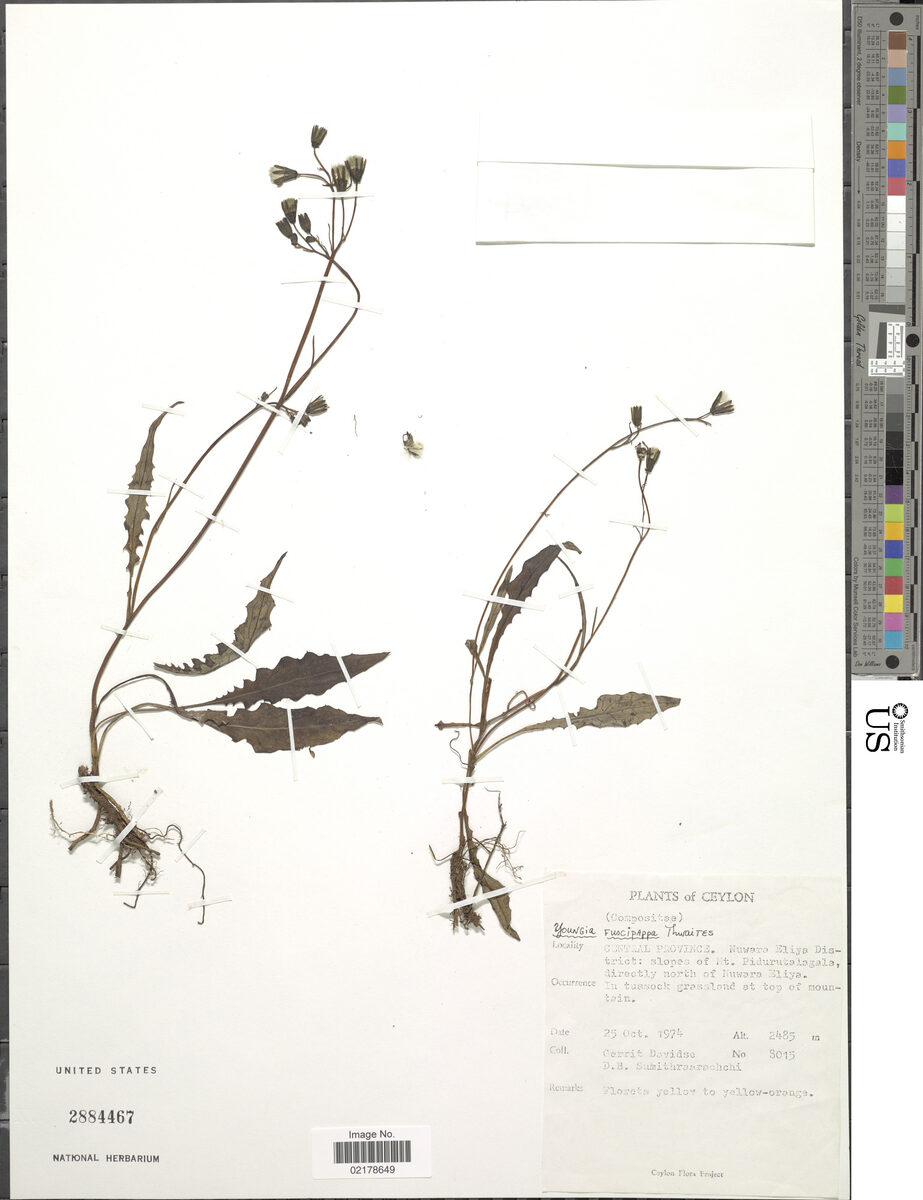
iNaturalist· cc-by
(c) Dominic Gentilcore, some rights reserved (CC BY), uploaded by Dominic Gentilcore
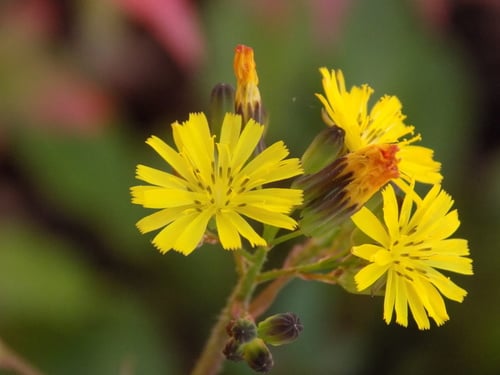
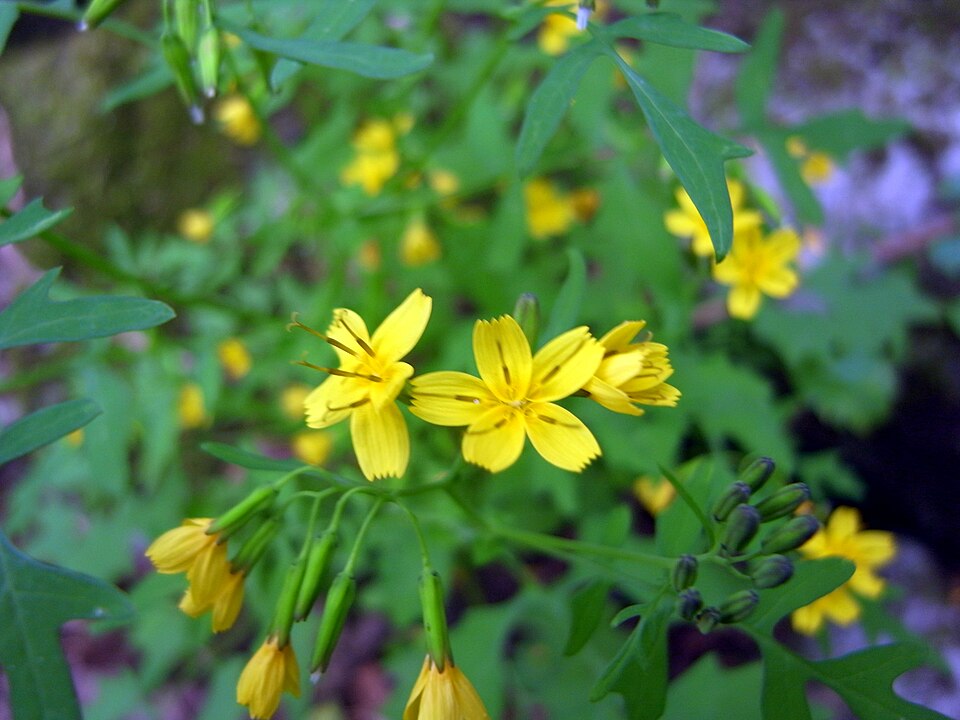
iNaturalist· cc-by
(c) Bobby McCabe, some rights reserved (CC BY), uploaded by Bobby McCabe
Description
Artemisia carruthii is a PERENNIAL growing to 0.4 m (1ft 4in) by 0.3 m (1ft) at a medium rate. See above for USDA hardiness. It is hardy to UK zone 5 and is not frost tender. The flowers are pollinated by Wind. Suitable for: light (sandy) and medium (loamy) soils, prefers well-drained soil and can grow in nutritionally poor soil. Suitable pH: neutral and basic (mildly alkaline) soils and can grow in very alkaline soils. It cannot grow in the shade. It prefers dry or moist soil and can tolerate drought. The plant can tolerates strong winds but not maritime exposure.
Edible Uses
Leaves - cooked. Seed - raw or cooked. An oily texture. The seed is very small and fiddly to use. Carruth’s sagewort (Artemisia carruthii) is a common species native to the southwestern United States. It closely resembles wild tarragon but lacks its strong flavor, as the leaves are bland and not useful as seasoning. The seeds, however, were an important food resource for the Zuni Indians of western New Mexico. The Zuni name for this plant, kia’tsanna (“small seeds”), reflects its role in their diet. According to early ethnographic accounts, the Zuni ground the seeds, mixed them with water, and shaped the mixture into balls or pats, which were then steamed. This preparation was considered one of their most ancient foods, relied upon at times when other resources were scarce. Although the seeds are very small, they are comparable in quality to those of wild tarragon (A. dracunculus), which are excellent for grinding into flour or adding to porridge. Seeds mature in autumn, making this a late-season resource. Other plant parts are not considered edible due to the presence of bitter, potentially toxic compounds common to the genus.
Medicinal Uses
Minor medicinal use, but the main ethnobotanical role was as food seeds.
Known Hazards
Many members of this genus contain potentially allergenic sesquiterpene lactones that can cause skin reactions. Although this species has been found to contain them, there have been no reports that it has caused dermatitis.
Distribution
Southern N. America - Arizona, Texas, Utah, Mexico.
Where It Grows
Native to: Arizona, Colorado, Kansas, Mexico Northeast, Mexico Northwest, Michigan, Missouri, New Mexico, Oklahoma, Texas, Utah. Introduced into: New York.
Cultivation
Native to southwestern U.S., especially New Mexico, Arizona, and Texas. Grows in open plains, juniper–oak–pine woodlands, and disturbed areas. Species in this genus are generally easily grown, succeeding in a well-drained circumneutral or slightly alkaline loamy soil, preferring a sunny position. They tend to be longer lived, more hardy and more aromatic when they are grown in poor, dry soil. Established plants are drought tolerant. Artemisia carruthii is closely related to members of the Artemisia ludoviciana complex, with which it may intergrade. Members of this genus are rarely if ever, troubled by browsing deer.
Propagation
Seed - surface sow from late winter to early summer in a greenhouse, making sure that the compost does not dry out. When large enough to handle, prick the seedlings out into individual pots and grow them in the greenhouse for their first winter. Plant out in late spring or early summer. Division in spring or autumn. Basal cuttings in late spring. Harvest the young shoots when about 10 - 15cm long, pot up in a lightly shaded position in a greenhouse or cold frame and plant them out when well rooted. Very easy.
Synonyms
Also Known As
Carruth’s sagewort