Tanacetum cinerariifolium
(Trev.) Sch.Bip.
Pyrethrum
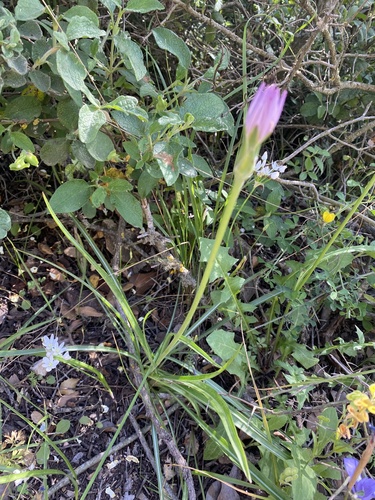
iNaturalist· cc-by-nc
(c) Assumpta MC, some rights reserved (CC BY-NC), uploaded by Assumpta MC
iNaturalist· cc-by-nc
(c) Thanasis Papanikolaou, some rights reserved (CC BY-NC), uploaded by Thanasis Papanikolaou
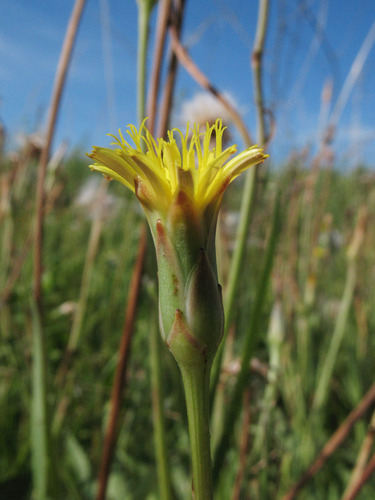
iNaturalist· cc-by-nc
(c) Gerhard Sailer, some rights reserved (CC BY-NC), uploaded by Gerhard Sailer
Summary
Source: WikipediaTanacetum cinerariifolium is a species of flowering plant in the aster family, Asteraceae, and formerly part of the genus Pyrethrum, but now placed in the genus Chrysanthemum, or the genus Tanacetum by some biologists. It is called the Dalmatian chrysanthemum or Dalmatian pyrethrum, denoting its origin in western coastal Balkan Peninsula, where it ranges from Dalmatia to Albania. It looks more like the common daisy than other pyrethrums do. Its flowers, typically white with yellow centers, grow from numerous fairly rigid stems. Plants have blue-green leaves and grow to 45 to 100 cm (18 to 39 in) in height.
Description
A herb. It keeps growing from year to year. It grows 17-60 cm tall. It has flattened T shape hairs. The leaves at the base are 2-4 cm long by 1-2 cm wide. They have a long stalk.
Edible Uses
No edible uses are known for this plant.
Traditional Uses
The flowering parts are used for tea.
This uses section is brief — help expand it
Medicinal Uses
Dalmatian pellitory is not used medicinally, though research has shown the flowers possess weak antibiotic activity. The flowers are the primary source of the insecticide pyrethrum, which is toxic to insects but not to mammals. It has sometimes been used as a vermifuge in China.
Known Hazards
These plants can cause severe allergic reactions in some people. Prolonged contact with the dried flowers can cause allergic dermatitis, allergic rhinitis, and asthma.
Distribution
It is a temperate or Mediterranean climate plant.
Where It Grows
Albania, Asia, Australia, China, Europe, Kenya, Spain, Tasmania,
Propagation
Sow seed in spring in a greenhouse, barely covering it and keeping the pot consistently moist. Prick seedlings into individual pots once large enough to handle and grow on in the greenhouse through their first winter, then plant out in late spring or early summer. For division in spring, larger divisions can go directly into permanent positions, while smaller ones are best potted up and grown on in light shade in a greenhouse or cold frame until well established, then planted out in summer or the following spring.
Other Uses
The dried flower buds are the source of the insecticide pyrethrum. The active pyrethrins are produced in the yellow disc florets. Pyrethrin content is highest when flowers are in full bloom (1.22%) and lowest in the period just before blooming (0.71%). While relatively harmless to mammals — though one source states it is entirely non-toxic to them — this insecticide also kills many beneficial insects. It is best applied in the evening so that much of its virulence has dissipated by morning. To prepare, steep two handfuls of dried powdered flowers in one litre of hot water for an hour, then either puree or strain and use as a spray. Once dried, the flowers or powder retain their insecticidal properties almost indefinitely. The growing plant also acts as an insect repellent in the garden, effective against mosquitoes and ants.
Other Information
It is cultivated.
References (2)
- Bonet, M. A. & Valles, J., 2002, Use of non-crop food vascular plants in Montseny biosphere reserve (Catalonia, Iberian Peninsula). International Journal of Food Sciences and Nutrition (2002) 53, 225–248
- Zeven, A. C. & de West, J. M. J., 1982, Dictionary of cultivated plants and their regions of diversity. Wageningen. p 105