Arisaema consanguineum
Schott.
Tian Nan Xing
iNaturalist· cc-by-nc
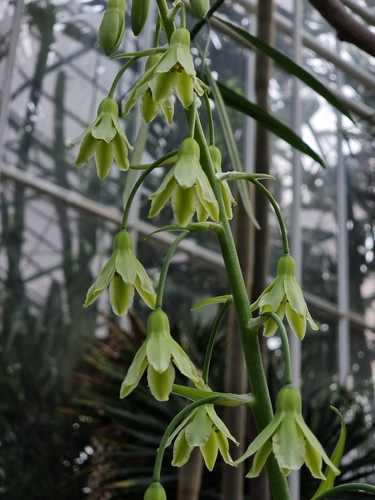
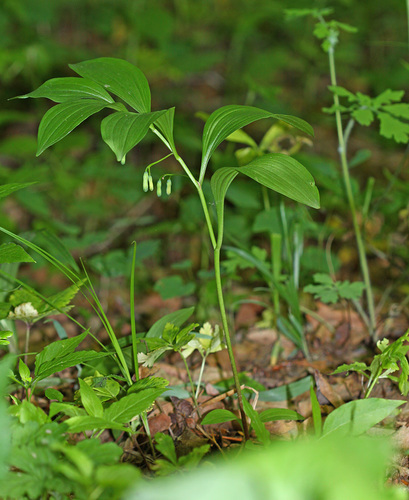
(c) 莊燿鴻, some rights reserved (CC BY-NC), uploaded by 莊燿鴻
iNaturalist· cc-by-nc
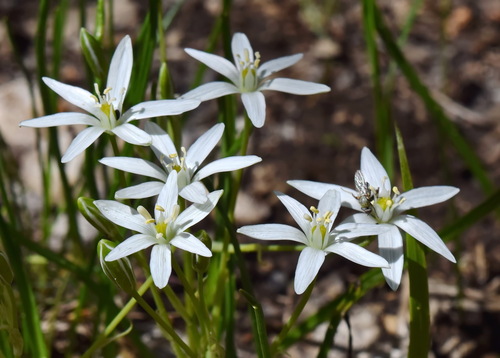
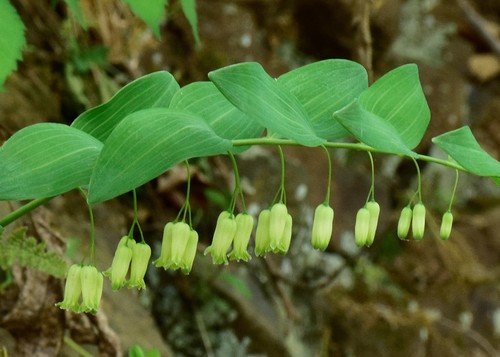
(c) 毛祈鈞, some rights reserved (CC BY-NC), uploaded by 毛祈鈞
iNaturalist· cc-by-nc-nd
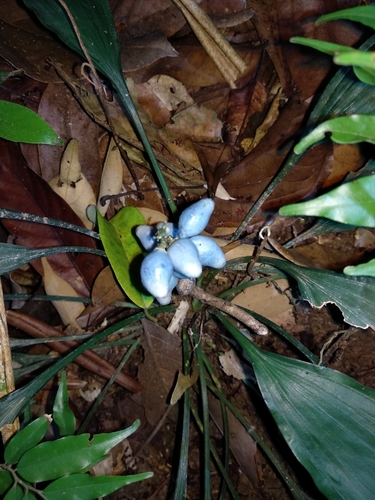
(c) 沈冠宇(Kuan-yu Shen), some rights reserved (CC BY-NC-ND), uploaded by 沈冠宇(Kuan-yu Shen)
Description
Arisaema consanguineum is a PERENNIAL growing to 1 m (3ft 3in) by 0.3 m (1ft). See above for USDA hardiness. It is hardy to UK zone 7 and is not frost tender. It is in flower from June to July. The species is dioecious (individual flowers are either male or female, but only one sex is to be found on any one plant so both male and female plants must be grown if seed is required). and is pollinated by Flies. The plant is not self-fertile. Suitable for: light (sandy) and medium (loamy) soils and prefers well-drained soil. Suitable pH: mildly acid, neutral and basic (mildly alkaline) soils. It can grow in full shade (deep woodland) semi-shade (light woodland) or no shade. It prefers moist soil.
Edible Uses
Leaves - boiled and used as a vegetable. Some caution is advised, see the notes above on toxicity.
Medicinal Uses
Anodyne Antibacterial Anticoagulant Antifungal Antiinflammatory Antiphlogistic Antirheumatic Antispasmodic Antitumor Epilepsy Expectorant Sedative Stomachic. Tian Nan Xing has been used in Chinese herbal medicine for thousands of years and is valued especially for its beneficial affect upon the chest. When prescribed internally it is always used dried and in conjunction with fresh ginger root. The root is an acrid irritant herb that is anodyne, antibacterial, antifungal, antiphlogistic, antirheumatic, anticancer, antispasmodic, antitumor, expectorant, sedative and stomachic. The dried root is used internally in the treatment of coughs with profuse phlegm, tumours, cervical cancer, epilepsy, tetanus and complaints involving muscular spasms. The fresh root is applied externally as a poultice to ulcers and other skin complaints. The root is harvested when the plant is dormant in the autumn or winter and is dried for later use. The whole plant is anticoagulant, anti-inflammatory, antispasmodic and anodyne.
Known Hazards
The plant contains calcium oxylate crystals. These cause an extremely unpleasant sensation similar to needles being stuck into the mouth and tongue if they are eaten but they are easily neutralized by thoroughly drying or cooking the plant or by steeping it in water.
Distribution
E. Asia - Himalayas to S.W. China
Where It Grows
TEMPERATE ASIA: China (Anhui Sheng, Zhejiang Sheng, Fujian Sheng, Henan Sheng, Hebei Sheng, Hunan Sheng, Hubei Sheng, Gansu Sheng, Jiangxi Sheng, Guangdong Sheng, Guizhou Sheng, Shanxi Sheng, Shandong Sheng, Sichuan Sheng, Yunnan Sheng, Guangxi Zhuangzu Zizhiqu), Taiwan TROPICAL ASIA: Bhutan, India (Assam, Meghalaya, Uttar Pradesh), Nepal, Myanmar, Thailand (north)
Cultivation
Prefers a cool peaty soil in the bog, woodland garden or a sheltered border in semi-shade. Prefers a loamy or peaty soil and will tolerate a sunny position if the soil is moist but not water-logged and the position is not too exposed. This species requires a warm corner in British gardens. Plants are nearly hardy in Britain, they normally succeed outdoors in the milder areas of the country. They tolerate temperatures down to about -10°c, though the young growth can be damaged by spring frosts. Tubers should be planted about 10cm deep. Only plant out full sized tubers and mulch them with organic matter in the winter. Plants need protection from slugs. Most species in this genus are dioecious, but they are sometimes monoecious and can also change sex from year to year.
Propagation
Seed - best sown as soon as it is ripe in a shady position in a cold frame. Stored seed remains viable for at least a year and can be sown in spring in the greenhouse but it will probably require a period of cold stratification. Germination usually takes place in 1 - 6 months at 15°c. When large enough to handle, prick the seedlings out into individual pots and grow them on in light shade in the greenhouse for at least a coupe of years until the corms are more than 20mm in diameter. Plant out into their permanent positions whilst they are dormant. Division of tubers when the plant dies down in late summer.