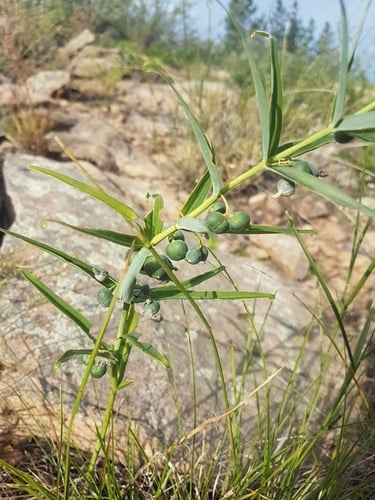
Maianthemum racemosum subsp. amplexicaule
(Nutt.) LaFrankie
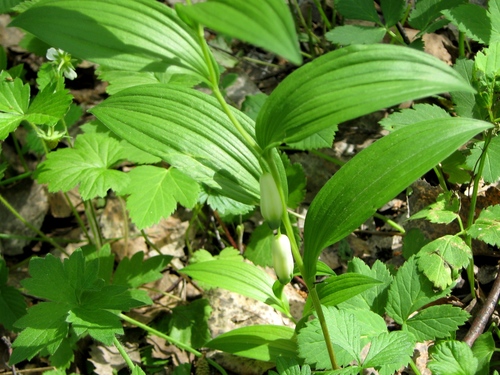
Fat Solomon
iNaturalist· cc-by-nc
(c) Emily Scherer, some rights reserved (CC BY-NC), uploaded by Emily Scherer
iNaturalist· cc-by-nc
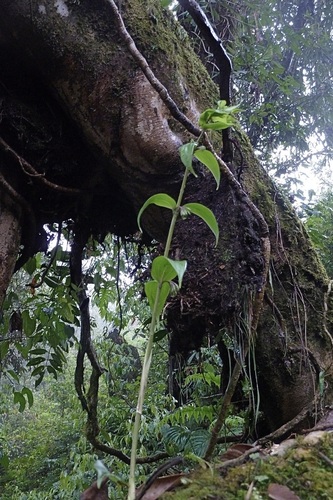
(c) thurmanjohnson, some rights reserved (CC BY-NC), uploaded by thurmanjohnson
iNaturalist· cc-by-nc
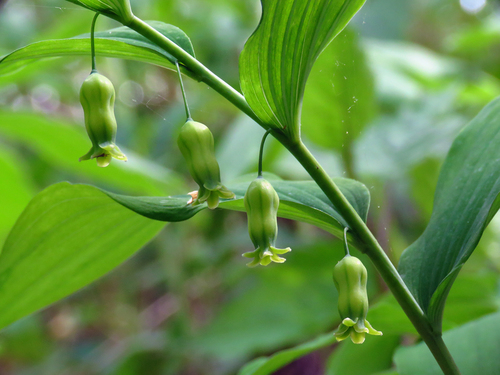
(c) MVAlig, some rights reserved (CC BY-NC), uploaded by MVAlig
Summary
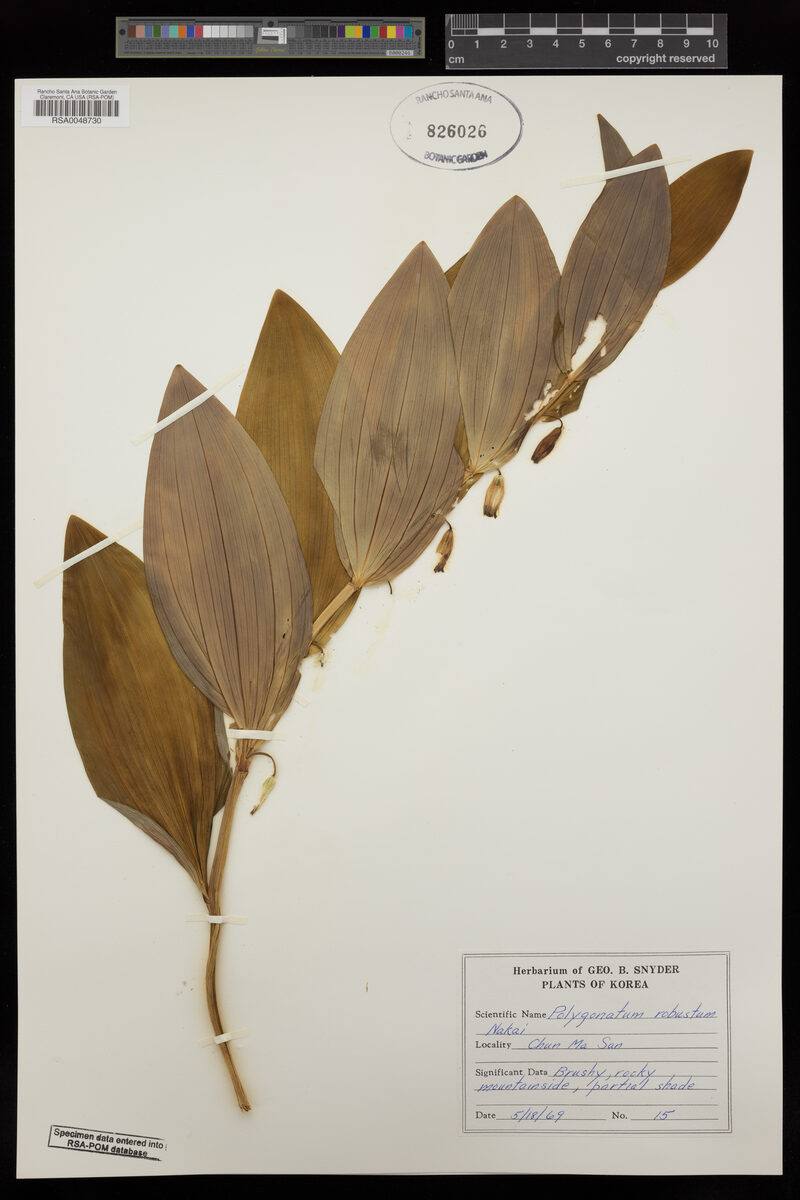
Source: WikipediaMaianthemum racemosum, the treacleberry, feathery false lily of the valley, false Solomon's seal, Solomon's plume or false spikenard, is a species of flowering plant native to North America. It is a common, widespread plant with numerous common names and synonyms, known from every US state except Hawaii, and from every Canadian province and territory (except Nunavut and the Yukon), as well as from Mexico.
Description
A herbaceous plant in the Asparagaceae family found in temperate regions. It produces small fruits.
This description is brief — help expand it
Edible Uses
The ripe berries are eaten fresh.
Traditional Uses
The ripe berries are eaten.
This uses section is brief — help expand it
Known Hazards
Because it resembles plants of the highly toxic Veratrum genus, this species should not be consumed unless identification is positive. The plant becomes fibrous and bitter after it completes flowering and seed-setting, but the tender young shoots can be stripped of their leaves, simmered in water and eaten. Their delicate flavor is somewhat reminiscent of asparagus. The ripe fruits are edible raw or cooked but may be poor in taste. They can be laxative if consumed in large quantities. Ojibwa harvested the roots of this plant and cooked them in lye water overnight to remove the bitterness and neutralize their strong laxative qualities. Native Americans boiled the roots to make tea for medicinal purposes, including to treat rheumatism, kidney issues, and wounds and back injuries.
Distribution
It is a temperate plant.
Where It Grows
Canada, North America, USA,
Notes
Also put in the family Liliaceae.
Synonyms
References (2)
- Beckstrom-Sternberg, Stephen M., and James A. Duke. "The Foodplant Database." http://probe.nalusda.gov:8300/cgi-bin/browse/foodplantdb.(ACEDB version 4.0 - data version July 1994) (As Vagnera amplexicaulis)
- Moerman, D. F., 2010, Native American Ethnobotany. Timber Press. p 331