Maianthemum tatsienense
(Franct.) LaFrankle
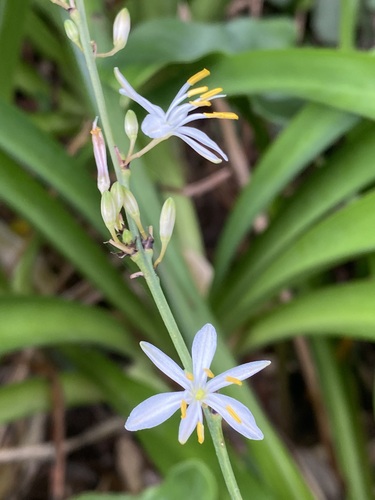
iNaturalist· cc-by-nc
(c) ed_shaw, some rights reserved (CC BY-NC)
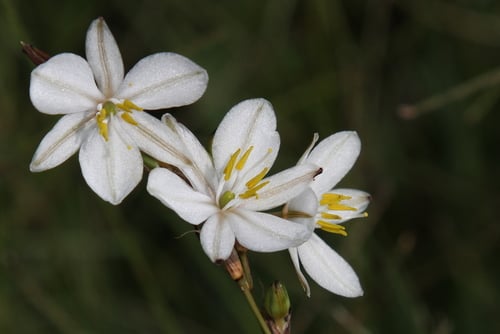
iNaturalist· cc-by-nc
(c) ed_shaw, some rights reserved (CC BY-NC)
Description
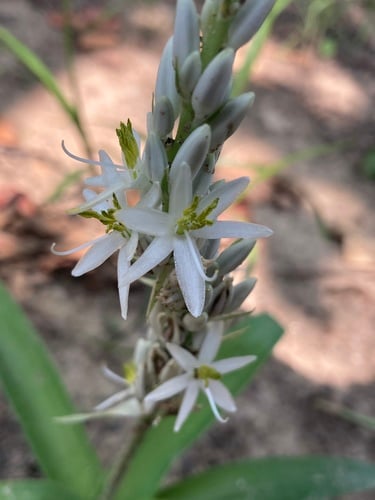
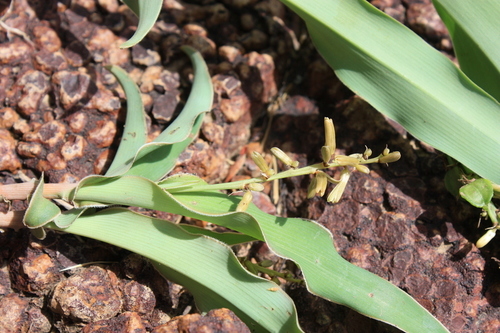
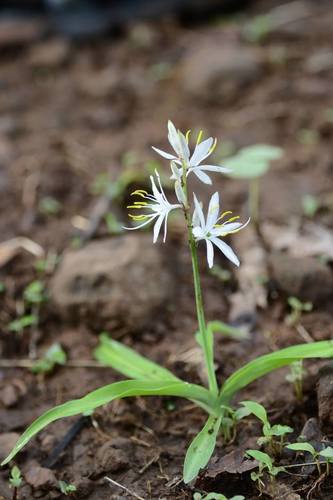
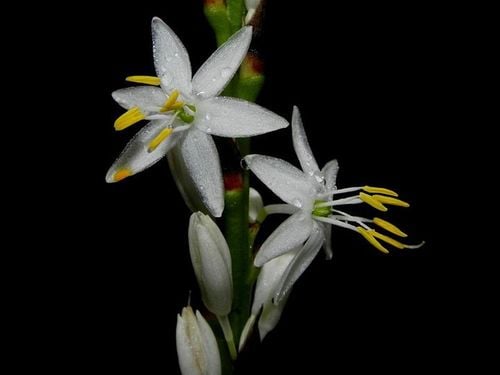
A herb. It grows 30-80 cm tall. It has rhizomes that are slightly thickened. The stems are smooth. There are 6-8 leaves. They are oval or sword shaped and 2-7 cm long by 2-8 cm wide. Flowers occur singly in a panicle. They are greenish and can be tinged with purple.
Edible Uses
The young shoots and leaves are cooked in stir fries and added to soups.
Traditional Uses
The young shoots and leaves are cooked in stir fries and added to soups.
This uses section is brief — help expand it
Distribution
It is a temperate plant. It grows on the edges of forests and on grassy slopes between 1,500-3,500 m above sea level. It grows in Sichuan and Yunnan in China.
Where It Grows
Asia, Bhutan, China, Himalayas, India, Myanmar, SE Asia, Tibet,
Production
In Yunnan leaves are harvested in May and June.
Notes
Also put in the family Convallariaceae.
Also Known As
Dong, Nibai, Zhuyecai
References (2)
- Cheng, Z., et al, 2022, Ethnobotanical study on wild edible plants used by Dulong people in northwestern Yunnan, China. Journal of Ethnobiology and Ethnomedicine (2022) 18:3
- Ju, Y., et al, 2013, Eating from the wild: diversity of wild edible plants used by Tibetans in Shangri-la region, Yunnan, China, Journal of Ethnobiology and Ethno medicine 9:28