Maianthemum racemosum
(L.) Link.
False spikenard, Treacle berry, False Solomon's seal
iNaturalist· cc-by-nc
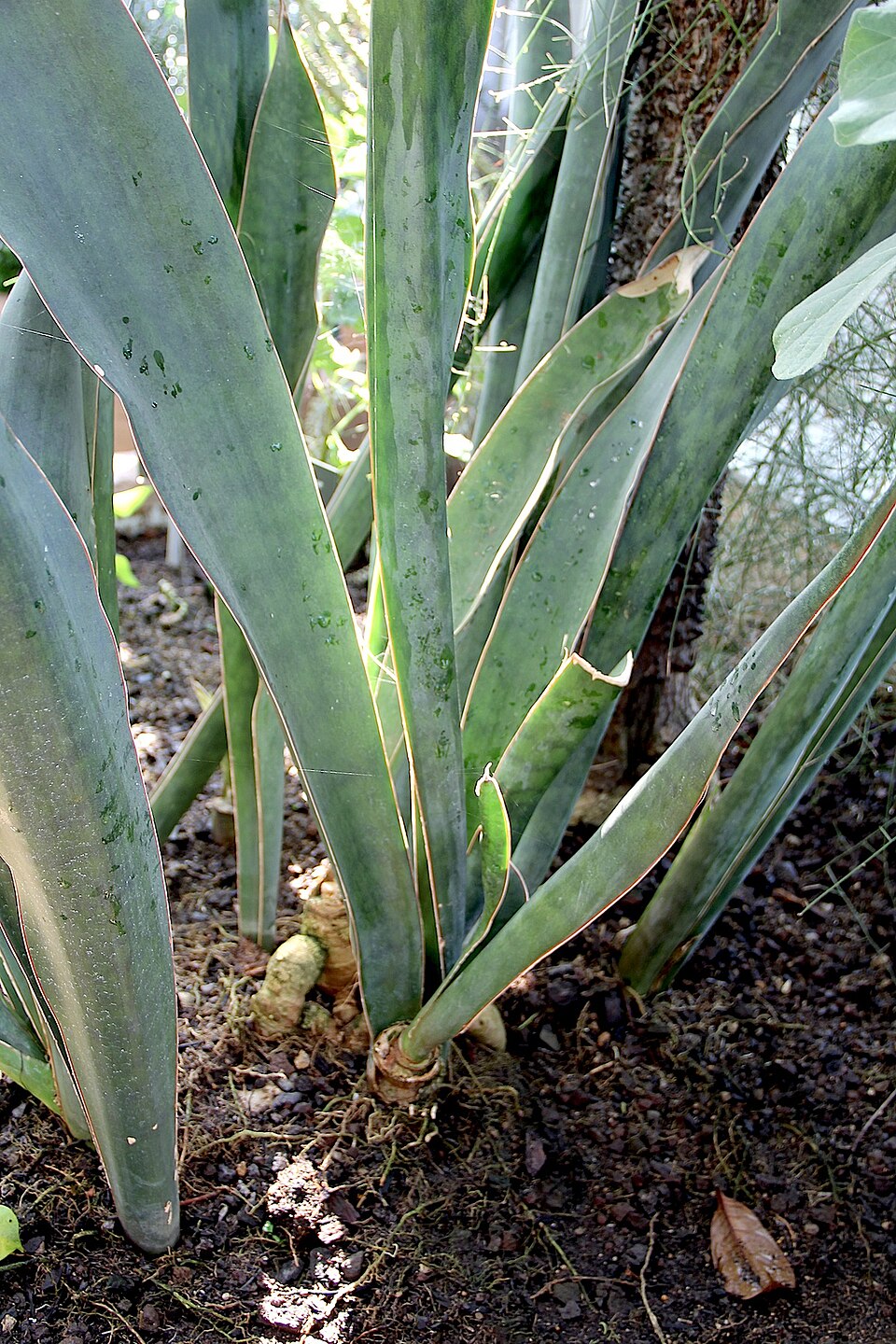
(c) lunarjelly, some rights reserved (CC BY-NC)
iNaturalist· cc-by-nc
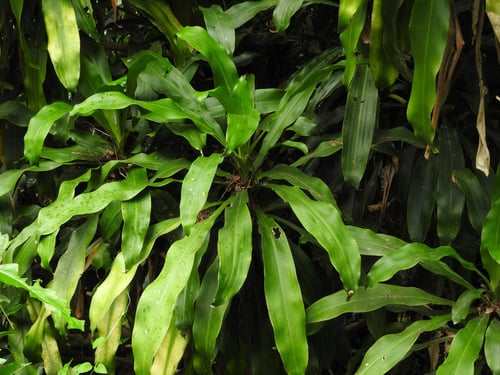
(c) thurmanjohnson, some rights reserved (CC BY-NC), uploaded by thurmanjohnson
iNaturalist· cc-by-nc
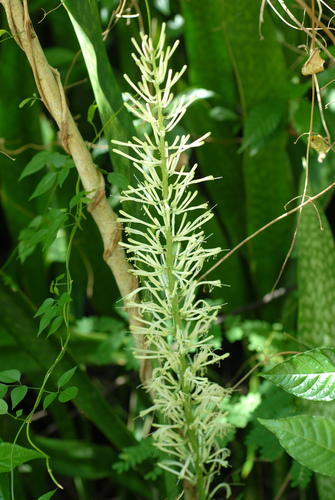
(c) lunarjelly, some rights reserved (CC BY-NC)
Summary
Source: WikipediaMaianthemum racemosum, the treacleberry, feathery false lily of the valley, false Solomon's seal, Solomon's plume or false spikenard, is a species of flowering plant native to North America. It is a common, widespread plant with numerous common names and synonyms, known from every US state except Hawaii, and from every Canadian province and territory (except Nunavut and the Yukon), as well as from Mexico.
Description
A perennial plant. It grows 75-90 cm high and spreads 45-60 cm wide. The leaves have distinct veins. The leaves are alternate but closely arranged. The stems are arching and have flower heads at the tip. These are fluffy and tapering. They are creamy and have a scent. The fruit are pale red berries speckled with purple.
Edible Uses
The ripe fruits are eaten raw, cooked, made into jellies and sauces, or dried, and the juice is mixed with other juices as a drink (though cooking is recommended to remove purgative elements). Young shoots are eaten like asparagus or cooked as a flavoring for meat, and the dried rootstock is soaked in lye, parboiled, and eaten or pickled.
Traditional Uses
The ripe fruit are eaten. They are eaten raw, cooked or made into jellies and sauces. They should be cooked to remove purgative elements. They can be dried. The juice is mixed with other juices as a drink. The young shoots are eaten like asparagus. The young leafy shoots are cooked as a flavouring for meat. The rootstock are dried, soaked in lye, then parboiled and eaten. They can be pickled.
Known Hazards
Because it resembles plants of the highly toxic Veratrum genus, this species should not be consumed unless identification is positive. The plant becomes fibrous and bitter after it completes flowering and seed-setting, but the tender young shoots can be stripped of their leaves, simmered in water and eaten. Their delicate flavor is somewhat reminiscent of asparagus. The ripe fruits are edible raw or cooked but may be poor in taste. They can be laxative if consumed in large quantities. Ojibwa harvested the roots of this plant and cooked them in lye water overnight to remove the bitterness and neutralize their strong laxative qualities. Native Americans boiled the roots to make tea for medicinal purposes, including to treat rheumatism, kidney issues, and wounds and back injuries.
Distribution
It is a temperate plant. It is frost hardy. It does well in light shade. It needs humus rich soils. It can grow in shady places and acid soils. It suits hardiness zones 2-8.
Where It Grows
Australia, Canada, Central America, Mexico, North America, Siberia, USA,
Cultivation
It can be grown from seeds or division of the clump.
Notes
There are about 25 Smilacina species. Also put in the family Convallariaceae.
Synonyms
Also Known As
False Solomon's Seal, Treacle berry
References (21)
- Ann. Mus. Natl. Hist. Nat. 9:51. 1807 (As Smilacina racemosa)
- Beckstrom-Sternberg, Stephen M., and James A. Duke. "The Foodplant Database." http://probe.nalusda.gov:8300/cgi-bin/browse/foodplantdb.(ACEDB version 4.0 - data version July 1994) (As Vagnera racemosa)
- Bocek, B. R., 1984, Ethnobotany of Costanoan Indians, California, Based on Collections by John P. Harrington. Economic Botany 38(2): 240-255 (As Smilacina racemosa)
- Bull. Torrey Bot. Club 20:480. 1893 (As Vagnera racemosa)
- Cormack, R. G. H., 1967, Wild Flowers of Alberta. Commercial Printers Edmonton, Canada. p 39 (As Smilacina racemosa)
Show all 21 references Hide references
- Esperanca, M. J., 1988. Surviving in the wild. A glance at the wild plants and their uses. Vol. 1. p 344 (As Smilacina racemosa)
- Facciola, S., 1998, Cornucopia 2: a Source Book of Edible Plants. Kampong Publications, p 145 (As Smilacina racemosa)
- Flowerdew, B., 2000, Complete Fruit Book. Kyle Cathie Ltd., London. p 189 (As Smilacina racemosa)
- Hedrick, U.P., 1919, (Ed.), Sturtevant's edible plants of the world. p 609 (As Smilacina racemosa)
- Jackes, D. A., 2007, Edible Forest Gardens (As Smilacina racemosa)
- Joyce, D., 1998, The Garden Plant Selector. Ryland, Peters and Small. p 271 (As Smilacina racemosa)
- Kermath, B. M., et al, 2014, Food Plants in the Americas: A survey of the domesticated, cultivated and wild plants used for Human food in North, Central and South America and the Caribbean. On line draft. p 508
- Lim, T. K., 2015, Edible Medicinal and Non Medicinal Plants. Volume 9, Modified Stems, Roots, Bulbs. Springer p 77
- MacKinnon, A., et al, 2009, Edible & Medicinal Plants of Canada. Lone Pine. p 171 (As Smilacina racemosa)
- Moerman, D. F., 2010, Native American Ethnobotany. Timber Press. p 331
- Plants for a Future database, The Field, Penpol, Lostwithiel, Cornwall, PL22 0NG, UK. http://www.scs.leeds.ac.uk/pfaf/ (As Smilacina racemosa)
- Ryan, S., 2008, Dicksonia. Rare Plants Manual. Hyland House. p 116 (As Smilacina racemosa)
- Toupal, R. S. & Hollenback, K., 2009, An Ethnobotany of Indiana Dunes National Lakeshore: Plant Uses of the Ojibwa People. Bureau of Applied Research in Anthropology. University of Arizona (As Smilacina racemosa)
- Turner, N., 1995, Food Plants of Coastal First Peoples. Royal BC Museum Handbook p 51 (As Smilacina racemosa)
- Turner, N., 1997, Food Plants of Interior First Peoples. Royal BC Museum Handbook p 75 (As Smilacina racemosa)
- Wild Edible Plants of the Whitmire Wildflower Garden. Missouri Botanical Gardens. (As Smilacina racemosa)