Antennaria rosea
Greene
Rosy Pussytoes
iNaturalist· cc-by-nc
(c) Kerry Givens, some rights reserved (CC BY-NC), uploaded by Kerry Givens
iNaturalist· cc-by-nc
(c) marysue007, some rights reserved (CC BY-NC)
iNaturalist· cc-by
(c) Matt Berger, some rights reserved (CC BY), uploaded by Matt Berger
Description
Antennaria rosea is a PERENNIAL growing to 0.2 m (0ft 8in) by 0.2 m (0ft 8in) at a fast rate. See above for USDA hardiness. It is hardy to UK zone 4 and is not frost tender. The flowers are pollinated by Bees, Insects. It is noted for attracting wildlife. Suitable for: light (sandy) and medium (loamy) soils and prefers well-drained soil. Suitable pH: mildly acid, neutral and basic (mildly alkaline) soils. It cannot grow in the shade. It prefers dry or moist soil.
Edible Uses
The leaves can be chewed like gum, though they provide no real nutritional value. Their main appeal is as a mild-tasting, slightly fibrous chew rather than as a food source. Unlike littleleaf pussytoes (A. parvifolia), where the dense hairs make leaves unpleasant to eat, A. rosea has been noted in ethnobotanical records as being casually chewed by Native Americans. Beyond this, the species has little food use and is not considered an important edible plant.
Distribution
Subarctic America to W. & W. Central U.S.A.
Where It Grows
Alaska, Alberta, Arizona, British Columbia, California, Colorado, Greenland, Idaho, Labrador, Maine, Manitoba, Michigan, Minnesota, Montana, Nevada, New Mexico, Newfoundland, North Dakota, Northwest Territories, Nunavut, Ontario, Oregon, Québec, Saskatchewan, South Dakota, Utah, Washington, Wyoming, Yukon
Cultivation
Habitat & Growing Conditions: Rosy pussytoes thrives in open meadows, dry slopes, alpine tundra, and prairies, usually in well-drained sandy or rocky soils. It is adapted to full sun and low to moderate soil moisture. Its tolerance for drought and cold makes it well suited to upland conditions. Growth & Ecology: This species spreads steadily by rhizomes and stolons, forming low mats that persist for many years. It competes successfully in dry, nutrient-poor soils but is not aggressive outside of its natural habitats. The hairy leaves conserve moisture and deter herbivory. Hardy in USDA zones 3–8, capable of surviving cold alpine winters and short growing seasons.
Propagation
Seed. Division of stolons.
Other Uses
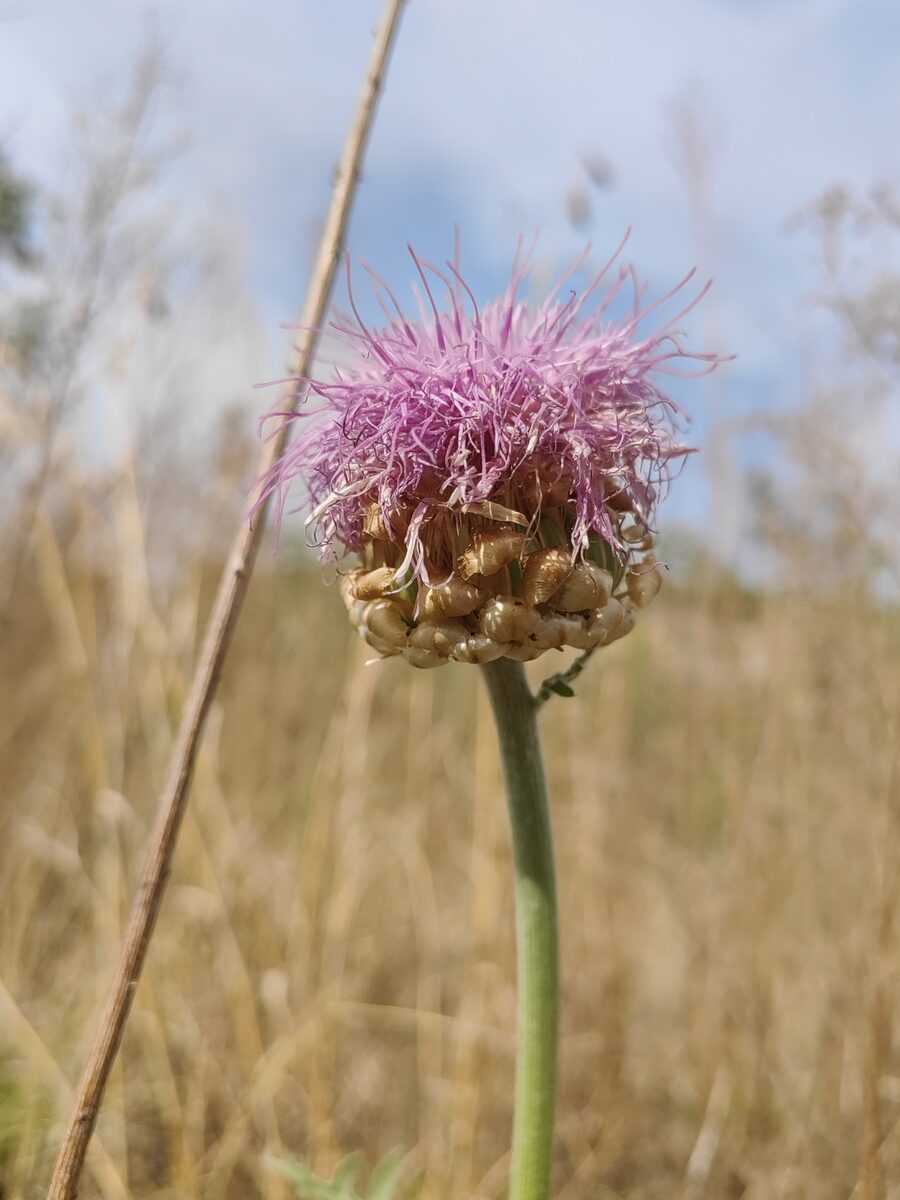
While there are no significant records of medicinal applications, rosy pussytoes plays a role in soil stabilization and erosion control, as its stoloniferous mats bind loose soil in alpine and subalpine habitats. Its nectar supports native pollinators, and its pink-tinged flowers make it an attractive component of wildflower and rock gardens.
Synonyms
Also Known As
Rosy Pussy Toes (Antennaria rosea Greene).