Chrysanthemum x morifolium
Ramatuelle
Edible chrysanthemum, Mulberry-leaved chrysanthemum
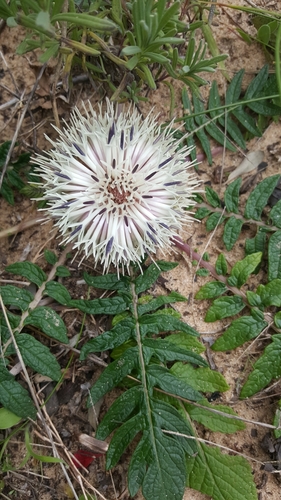
iNaturalist· cc-by-nc
(c) Wai Shing, some rights reserved (CC BY-NC)
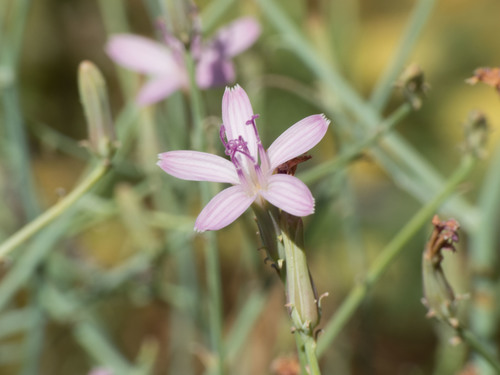
iNaturalist· cc-by-nc
(c) Oliver Stöhr, some rights reserved (CC BY-NC)
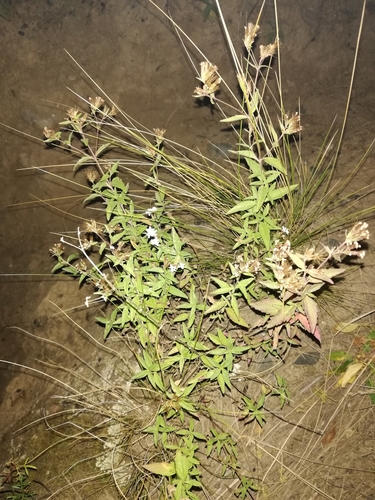
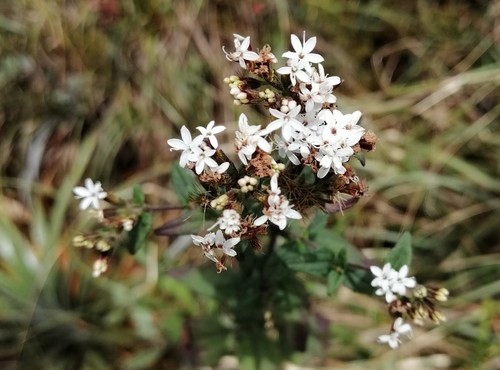
iNaturalist· cc-by-nc
(c) Oliver Stöhr, some rights reserved (CC BY-NC)
Description
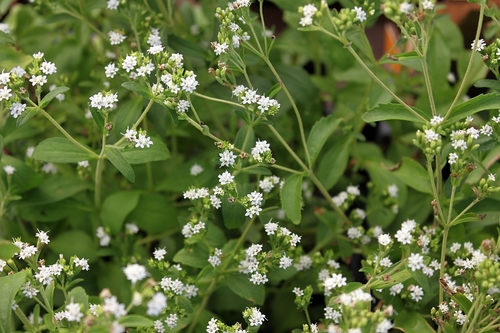
A herb that keeps growing from year to year. It grows 30 cm -2.2 m tall and spreads 30-90 cm wide. The stems can are branched and can be erect or spreading. They have a strong smell. The leaves have lobes along the stalk. The leaves are 12 cm long. The flowers can be single or double and 2.5-30 cm across. They can be white, yellow, pink or red.
Edible Uses
The flower heads are boiled and served as a salad with fish, seasoned with soy sauce or vinegar. The leaves are used in fritters and made into tea. The young shoots are chopped and cooked with rice, jujube, and lycium berry to make a gruel.
Traditional Uses
The flowerheads are boiled and served as a salad with fish. They are seasoned with soy sauce or vinegar. The leaves are used in fritters and made into tea. The young shoots are chopped, cooked with rice, jujube, lycium berry and made into a gruel.
Distribution
It is a temperate plant. Some cultivated varieties need a temperature above 10°C.
Where It Grows
Asia, China,
Production
Small flowered, double, yellow kinds are used for eating.
Synonyms
Also Known As
Ju hua, Ryori-giku
References (5)
- Brown, D., 2002, The Royal Horticultural Society encyclopedia of Herbs and their uses. DK Books. p 168
- Facciola, S., 1998, Cornucopia 2: a Source Book of Edible Plants. Kampong Publications, p 36
- Hu, Shiu-ying, 2005, Food Plants of China. The Chinese University Press. p 723
- J. Hist. Nat. 2:240, in adnot. 1792
- Kays, S. J., and Dias, J. C. S., 1995, Common Names of Commercially Cultivated Vegetables of the World in 15 languages. Economic Botany, Vol. 49, No. 2, pp. 115-152