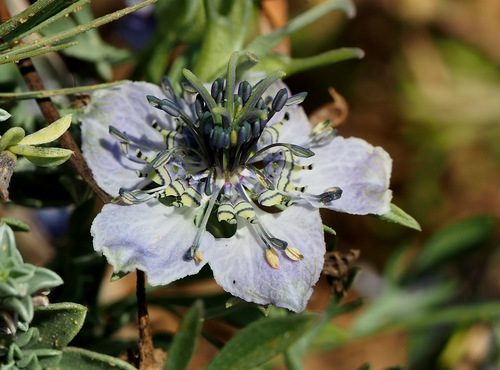
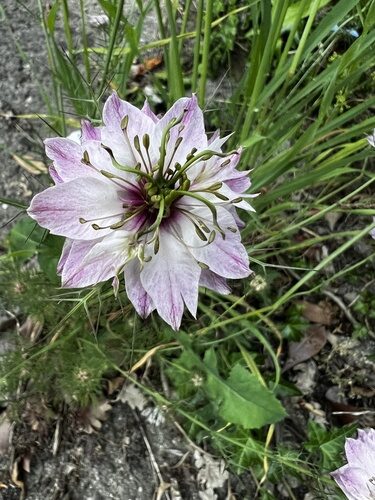
Aconitum lycoctonum vulparia - (Rchb.)Nyman.
(Rchb.)Nyman.
Wolfbane
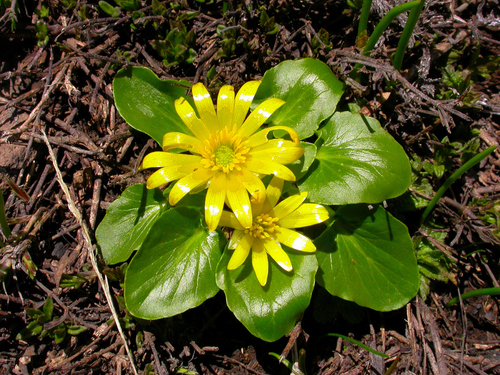
gbif· cc-by-nc
danzidro
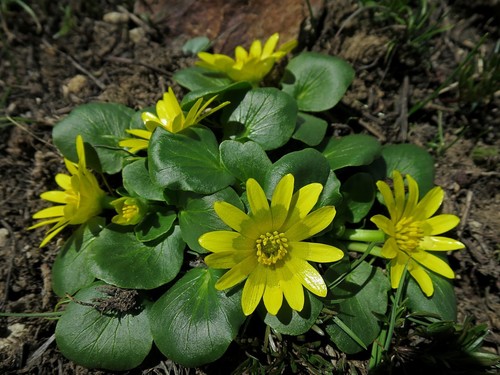
gbif· cc-by-nc
shaaya
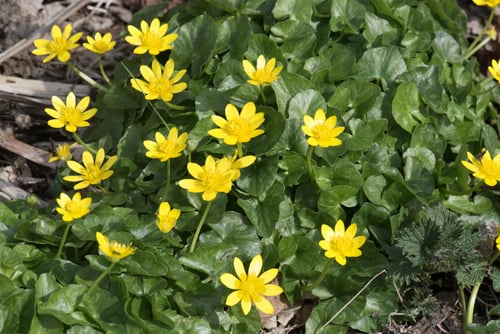
gbif· cc-by-nc
shaaya
Description
Aconitum lycoctonum vulparia is a PERENNIAL growing to 1 m (3ft 3in) by 0.6 m (2ft). See above for USDA hardiness. It is hardy to UK zone 3 and is not frost tender. It is in flower from June to August, and the seeds ripen from July to September. The species is hermaphrodite (has both male and female organs) and is pollinated by Bees. Suitable for: light (sandy), medium (loamy) and heavy (clay) soils and can grow in heavy clay soil. Suitable pH: mildly acid, neutral and basic (mildly alkaline) soils and can grow in very alkaline soils. It can grow in semi-shade (light woodland) or no shade. It prefers moist soil.
Edible Uses
Some reports suggest the root is edible if cooked, but these should be treated with extreme caution due to the highly toxic nature of the plant.
Medicinal Uses
Analgesic Anodyne Diaphoretic Diuretic Irritant Sedative. The root is analgesic, anodyne, diaphoretic, diuretic, irritant, sedative. This is a very poisonous plant and should only be used with extreme caution and under the supervision of a qualified practitioner.
Known Hazards
The whole plant is highly toxic - simple skin contact has caused numbness in some people.
Distribution
Europe to Asia
Where It Grows
Coming Soon
Cultivation
Thrives in most soils and in the light shade of trees. Grows well in heavy clay soils. Prefers a moist soil in sun or semi-shade. Prefers a calcareous soil. Grows well in open woodlands. Members of this genus seem to be immune to the predations of rabbits and deer. A greedy plant, inhibiting the growth of nearby species, especially legumes. An aggregate species which is divided by some botanists into many species.
Propagation
Seed - best sown as soon as it is ripe in a cold frame. The seed can be stratified and sown in spring but will then be slow to germinate. When large enough to handle, prick the seedlings out into individual pots and grow them on in a cold frame for their first winter. Plant them out in late spring or early summer. Division - best done in spring but it can also be done in autumn. Another report says that division is best carried out in the autumn or late winter because the plants come into growth very early in the year.