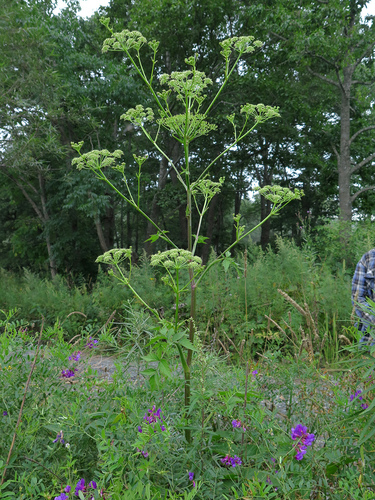
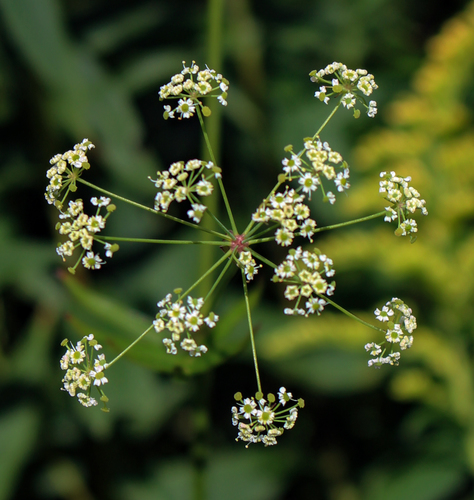
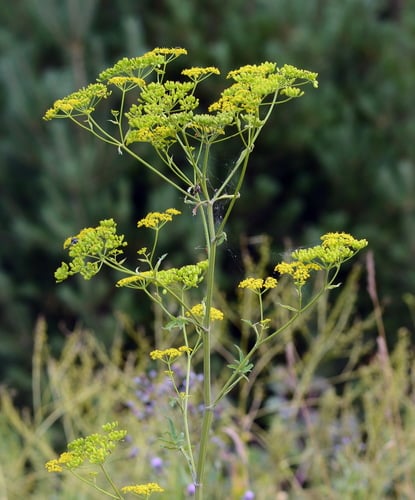
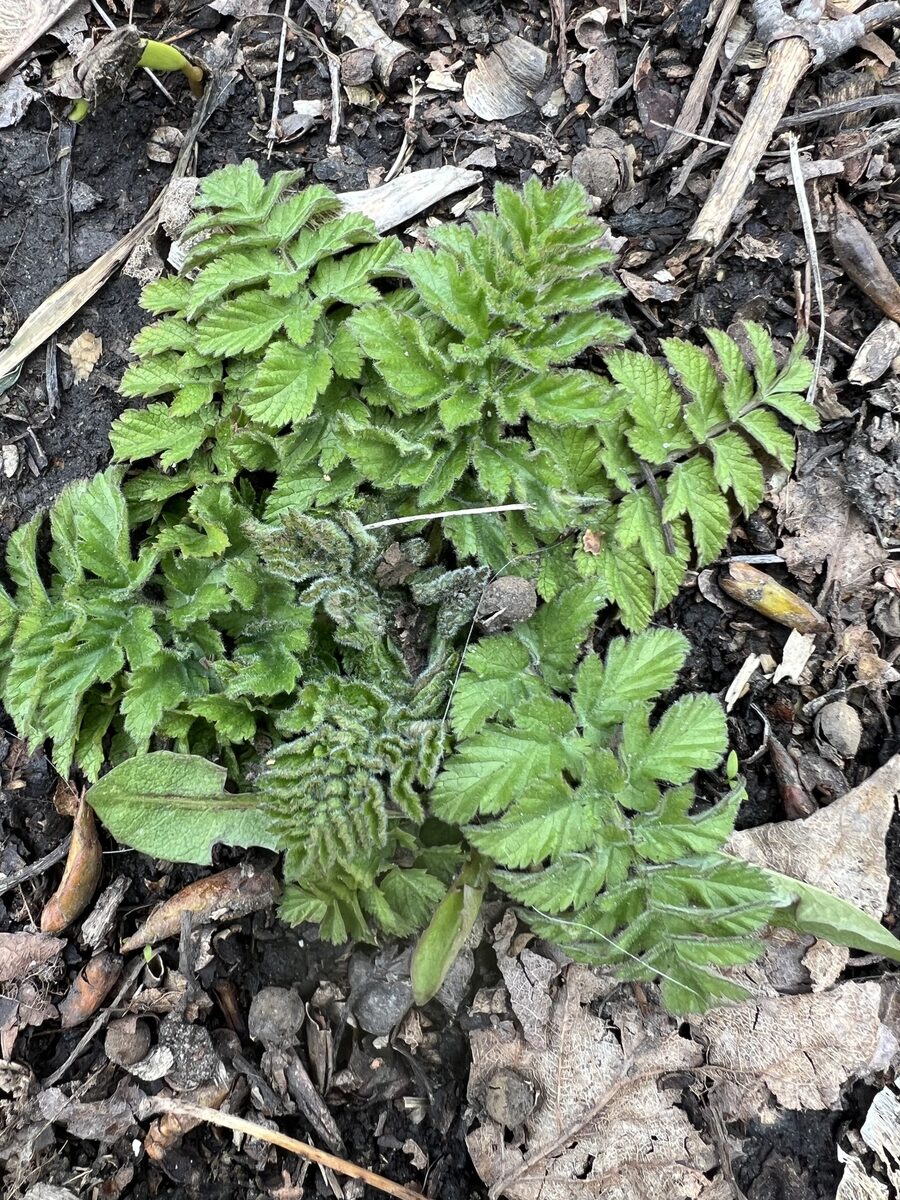
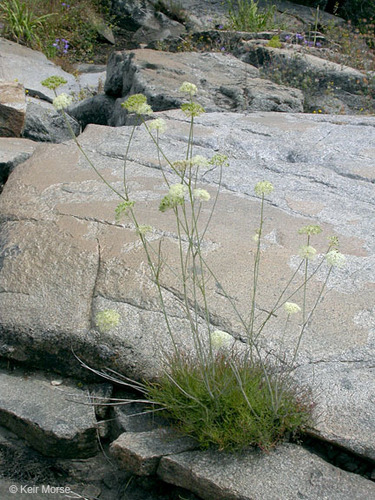
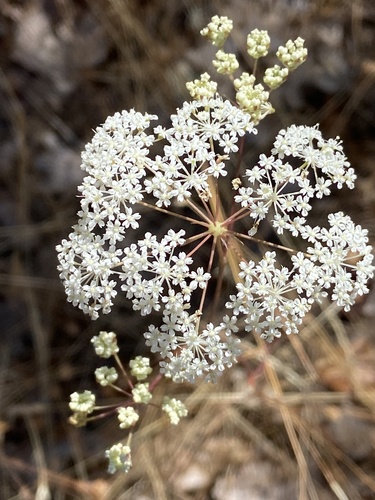
Zizia aurea - (L.)Koch.
(L.)Koch.
Golden Alexanders, Golden zizia
gbif· cc-by-nc
janelew
gbif· cc-by-nc
janelew
gbif· cc-by-nc
janelew
Description
Zizia aurea is a PERENNIAL growing to 0.8 m (2ft 7in). See above for USDA hardiness. It is hardy to UK zone 3. It is in flower from May to June. The species is hermaphrodite (has both male and female organs) and is pollinated by Insects. The plant is self-fertile. Suitable for: light (sandy), medium (loamy) and heavy (clay) soils. Suitable pH: mildly acid, neutral and basic (mildly alkaline) soils. It cannot grow in the shade. It prefers moist soil.
Edible Uses
The flowers, with the main stem removed, are a welcome addition to a tossed green salad. They are also a delicious cooked vegetable when used in a similar manner to broccoli.
Medicinal Uses
Febrifuge Hypnotic VulneraryA tea made from the root is febrifuge. The root is also believed to be vulnerary and hypnotic.
Known Hazards
There is a report that the root might be toxic.
Distribution
Eastern N. America - Quebec to Saskatchewan and south to Texas and Florida..
Where It Grows
NORTHERN AMERICA: Canada, Nova Scotia, Ontario, New Brunswick, Saskatchewan (south), Manitoba (south), United States, Connecticut, Indiana, Maine, Massachusetts, Michigan, New Hampshire, New Jersey, New York, Ohio, Pennsylvania, Rhode Island, Vermont, West Virginia, Illinois, Iowa, Kansas (east), Minnesota, Missouri, Nebraska (east), North Dakota (east), Oklahoma (east), South Dakota (east & southwest), Wisconsin, Montana (southeast), Alabama, Arkansas, Delaware, Florida , Georgia, Kentucky, Louisiana, Maryland, Mississippi, North Carolina, South Carolina, Tennessee, Virginia, Texas, AUSTRALASIA: Australia, Queensland (south),
Cultivation
Requires a moist soil and a position in full sun. Suitable for the wild garden and other informal plantings as well as collections of native wild flowers. An evergreen.
Propagation
Seed - we have no information for this species but it is probably best sown in spring in a cold frame. When they are large enough to handle, prick the seedlings out into individual pots and grow them on in the greenhouse for their first winter. Plant them out into their permanent positions in late spring or early summer, after the last expected frosts.